
Siamese Cats: History, Appearance and What Makes Them Unique

Few cats are as instantly recognizable as the Siamese. With its sleek pale body, dark “points” on the ears, face, paws, and tail, and piercing blue almond eyes, it looks like no other breed — and it acts like no other breed either. Siamese cats are famously vocal, deeply social, and intensely bonded to their people.
The Siamese is also one of the oldest known cat breeds, with roots in the ancient kingdom of Siam. This guide explores the breed’s history, explains the science behind its remarkable coat, describes its appearance and personality, and shares the facts that make the Siamese truly one of a kind.
Origin and History of the Siamese Cat
The Siamese comes from Thailand, which was known as Siam until 1939 — hence the breed’s name. Pointed cats resembling the Siamese appear in the Tamra Maew, or “Cat-Book Poems,” a collection of Thai manuscripts dating back several centuries to the Ayutthaya Kingdom period. One of the cats described, the Wichien Maat — meaning “Moon Diamond” — is widely believed to depict an early seal-pointed Siamese-type cat.
According to long-standing tradition, these striking cats were treasured by Siamese royalty and kept in temples and palaces. While the legends are impossible to verify in every detail, the manuscripts themselves are real, and they establish the pointed cat as a recognized and valued type in Thailand centuries before it reached the West.
The breed’s journey westward began in the late 1800s. In 1878, the American consul in Bangkok sent a Siamese cat named “Siam” to President Rutherford B. Hayes — one of the first of the breed recorded in the United States. A few years later, in 1884, the British consul-general in Bangkok, Edward Blencowe Gould, brought a breeding pair named Pho and Mia back to England. Their descendants caused a sensation at London cat shows, where the exotic pointed pattern had never been seen before.
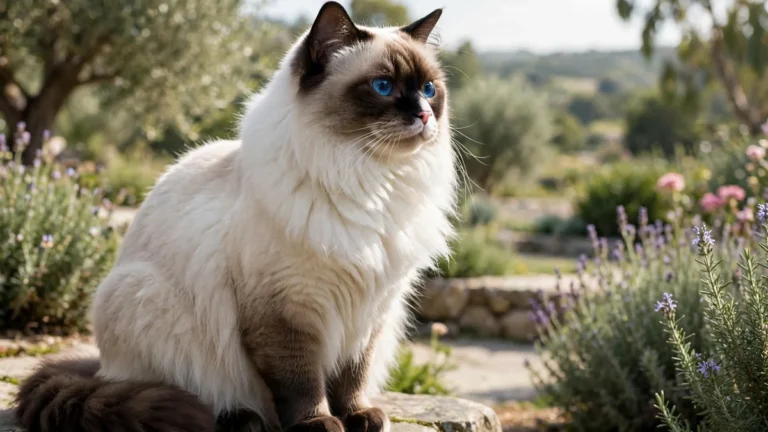
The Siamese was among the first breeds recognized by The Cat Fanciers’ Association (CFA), and it has remained a fixture of the cat fancy ever since. From those few imports, the breed spread across Europe and America, becoming one of the most popular and influential pedigree cats in the world — and the ancestor, through outcrossing, of many later pointed breeds, including the Ragdoll.
Appearance: The Pointed Pattern Explained
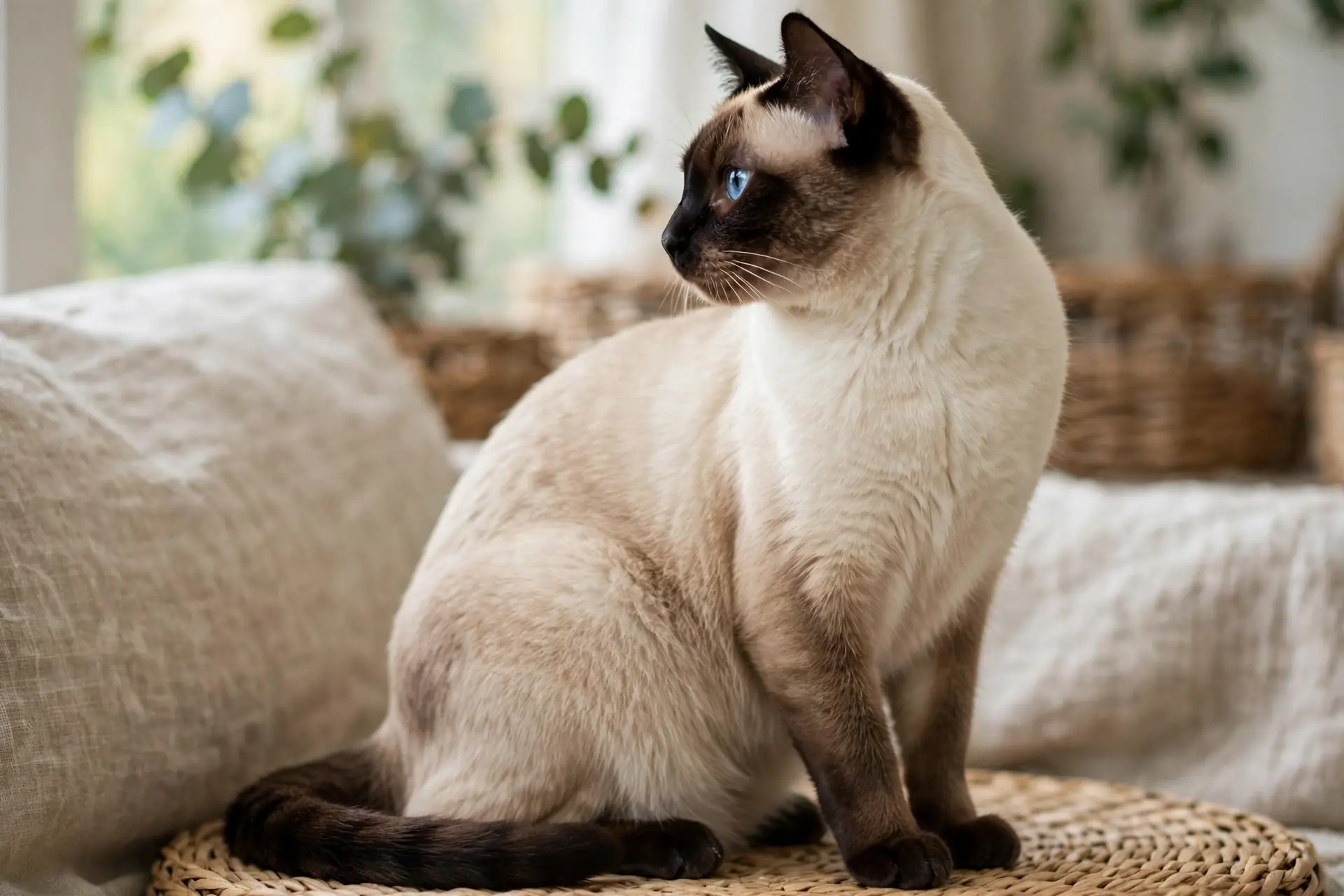
The Siamese look begins with the pointed pattern, properly called colorpoint. The body is a pale, even shade — from warm cream to cool white — while the ears, mask, paws, and tail carry darker color. This contrast is the breed’s defining feature and the reason it turns heads.
The points develop because of temperature-sensitive pigment production. In simple terms, the Siamese carries a form of partial albinism: darker pigment develops most strongly on the cooler extremities of the body (ears, face, legs, tail) and stays pale on the warmer torso. This is also why Siamese kittens are born almost entirely pale — they develop in the warmth of the womb — and why an individual cat’s points can darken slightly with age or in cooler climates.
Point Colors and Varieties
The four classic point colors are:
- Seal point: dark brown, nearly black points on a warm cream body — the original and most iconic variety.
- Chocolate point: warm milk-chocolate points on an ivory body.
- Blue point: slate-gray points on a bluish-white body.
- Lilac point: pale frosty-gray points with pinkish tones on a glacial-white body.
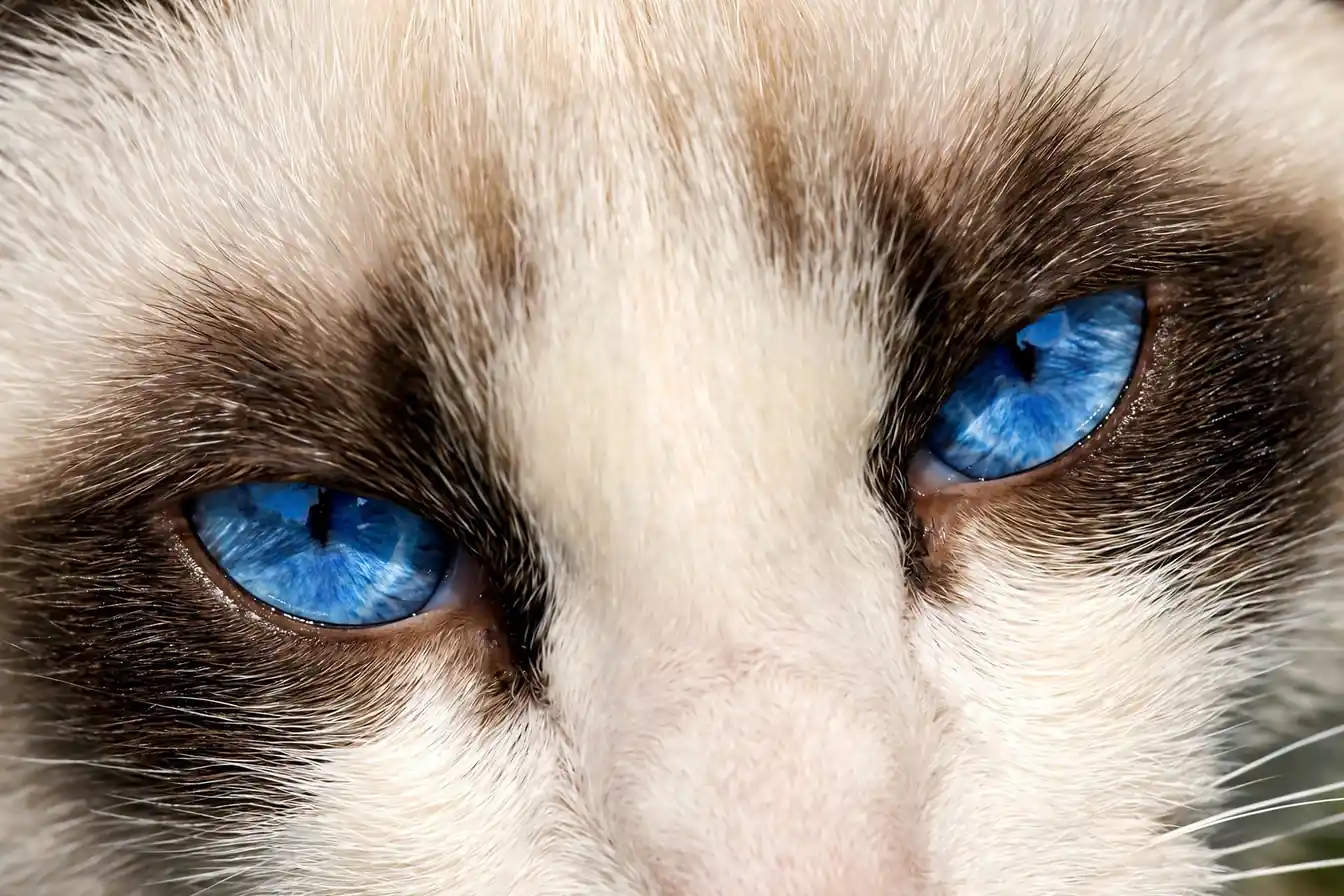
Beyond these, registries also recognize patterned points, including tabby (lynx) points with striped markings in the dark areas, tortie points, and red and cream points. Whatever the color, every Siamese shares the same vivid blue, almond-shaped eyes — a trait genetically linked to the pointed pattern.
Build, Size, and Features
The modern show Siamese is a study in elegance: a long, svelte, tubular body, fine boning, and firm muscle. The head forms a refined wedge, with large ears set to continue the wedge lines and a straight profile. Legs are slim, paws are small and oval, and the tail is long and tapering to a fine point. Most Siamese weigh between 8 and 12 pounds, with males typically larger than females.
The coat itself is short, fine, and close-lying, with a glossy, almost silky texture. There is minimal undercoat, which is part of why the breed’s grooming needs are so modest.
Traditional vs Modern Siamese
Not every Siamese looks like the extreme wedge-headed show cat. The traditional, or “applehead,” Siamese has a rounder head, sturdier body, and gentler features — much closer to the cats imported from Thailand in the 1800s. Many pet Siamese today fall somewhere between the two styles.
In fact, the traditional look is now preserved as its own breed: The International Cat Association (TICA) recognizes the Thai as a separate breed, bred to maintain the moderate, old-style Siamese appearance. When people picture the classic Siamese of mid-20th-century films, they are usually picturing this traditional type.

Personality: Vocal, Social, and Devoted
If the Siamese looks distinctive, its personality is even more so. These are famously talkative cats, with a loud, distinctive voice that owners describe as demanding, conversational, or even raspy. A Siamese will comment on your cooking, greet you at the door with a full report of its day, and protest — at length — if dinner is late. Owners who prefer a quiet household, like devotees of the serene Persian, are often surprised by just how much a Siamese has to say.
Siamese cats bond intensely with their people. They follow their owners from room to room, supervise household activities, and prefer to be involved in everything. Many behave in dog-like ways: greeting visitors, playing fetch, and learning to walk on a leash. They are intelligent, curious, and easily bored, which makes interactive play and companionship especially important for this breed.
That devotion has a flip side. Siamese cats generally do not enjoy being left alone for long stretches — they thrive in homes where someone is around, or where another friendly pet keeps them company. Prospective owners comparing options in our guide to the best cat breeds for first-time owners should know that the Siamese asks for more time and attention than calmer, more independent breeds like the British Shorthair. In return, few breeds give back so much obvious affection.

Siamese Kittens: Born White
Siamese kittens arrive looking nothing like the adults they will become: they are born almost entirely white or pale cream. Over the first weeks and months, the points gradually develop and darken as the kittens encounter the cooler world outside the womb. By a few months old, the pattern is clearly visible, though it continues to deepen well into adulthood.
Kittens are playful, acrobatic, and intensely social from the start. They learn quickly, bond fast, and do best in homes ready for an energetic, people-focused young cat. Because the breed is so socially demanding even as kittens, reputable breeders typically keep Siamese kittens with their littermates a little longer than average before they go to new homes.

Grooming and Everyday Care
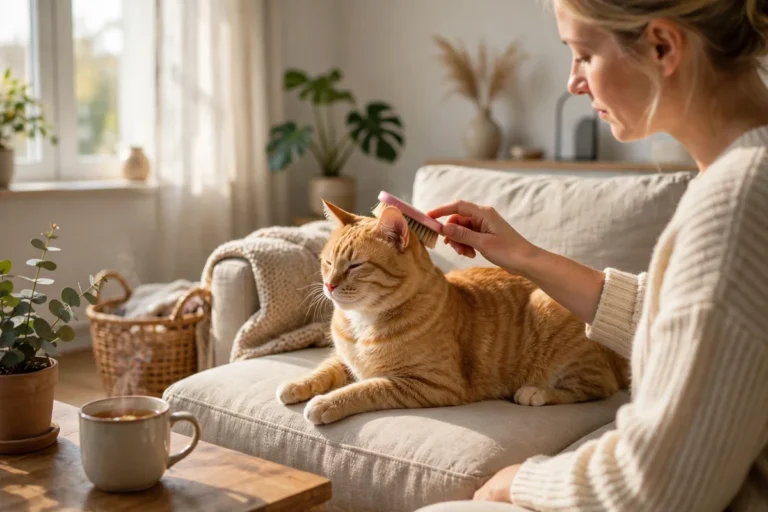
The Siamese short, fine coat is genuinely low-maintenance. A weekly brushing with a soft brush or grooming mitt keeps it glossy and manages the light shedding. Compared with the dense Maine Coon coat or the plush British Shorthair, the Siamese asks very little in grooming time.
What the breed does ask for is engagement. Daily interactive play sessions, puzzle-style enrichment, and plenty of companionship keep a Siamese content. These are indoor-oriented cats that prefer the center of family life to solitary corners. A tall scratching post, a sunny window perch, and — most importantly — involved humans cover most of a Siamese daily needs.
Siamese vs Other Popular Breeds: A Quick Comparison
How does the Siamese stack up against other reader favorites? This at-a-glance comparison highlights the traits that matter most when choosing:
| Trait | Siamese | Persian | Ragdoll | British Shorthair |
|---|---|---|---|---|
| Vocality | Very talkative | Famously quiet | Soft-spoken | Quiet |
| Coat care | Minimal (short, fine) | High (long, daily) | Moderate (silky, resists matting) | Low (weekly brushing) |
| Independence | Low — wants company | Moderate | Low — very people-oriented | High — content alone |
| Energy level | High | Low–moderate | Moderate | Low–moderate |
| Best for | Owners home often | Calm, quiet homes | Families wanting a gentle shadow | Independent lifestyles |
The pattern is clear: if you want an interactive, conversational cat and are home to enjoy it, the Siamese is unmatched. If you need a quieter or more independent companion, the Persian or British Shorthair may suit better. Our most popular cat breeds guide puts all of these in wider context.
Interesting Facts About Siamese Cats
- A royal past: In old Siam, pointed cats were associated with royalty and temples, and they appear in the centuries-old Tamra Maew manuscripts.
- A presidential debut: One of the first Siamese in America was “Siam,” sent to President Rutherford B. Hayes in 1878.
- The Moon Diamond: The traditional Thai name for the breed type, Wichien Maat, translates roughly to “Moon Diamond.”
- Hollywood stars: Siamese cats played memorable roles in classic films, including the mischievous Si and Am in Disney’s Lady and the Tramp.
- The “Meezer” nickname: Devoted fans often call Siamese “meezers,” a playful nod to the breed’s name and its chatty nature.
- Eyes tell the story: The vivid blue eyes are part of the pointed package — the same genetics behind the coat pattern produce the eye color.
Living With a Siamese: What to Know
The Siamese is not a background pet. It is a talkative, athletic, people-obsessed companion that wants a starring role in your daily life. For owners who are home often, enjoy an interactive cat, and find the idea of a chatty shadow delightful rather than exhausting, the Siamese is immensely rewarding.
If you love striking looks but want a calmer presence, compare the Siamese with other breeds in our most popular cat breeds guide, browse the Cats & Kittens section, and start from the MyPetsMyLove homepage to keep exploring.
Related Reading on MyPetsMyLove
- Most popular cat breeds in the USA
- Best cat breeds for first-time owners
- Ragdoll cats guide
- Cats & Kittens hub page
- MyPetsMyLove homepage
- About Us page
References
- The Cat Fanciers’ Association (CFA) — Siamese breed standard and profile
- The International Cat Association (TICA) — Siamese and Thai breed information
Frequently Asked Questions
Where did the Siamese cat originate?
The Siamese originated in Thailand, formerly known as Siam. Pointed cats resembling the breed appear in the Tamra Maew (“Cat-Book Poems”), Thai manuscripts dating back several centuries, and the breed reached the West in the late 1800s.
Why do Siamese cats have blue eyes?
The vivid blue, almond-shaped eyes are genetically linked to the pointed coat pattern. The same temperature-sensitive pigment traits that create the dark points also produce the blue eye color, so every true Siamese has blue eyes.
Why are Siamese kittens born white?
Siamese kittens develop in the warmth of the womb, and their temperature-sensitive pigment only darkens on the cooler extremities after birth. The points on the ears, face, paws, and tail develop gradually over the first weeks and months.
Are Siamese cats very vocal?
Yes — the Siamese is one of the most talkative cat breeds. They are known for a loud, distinctive voice and will readily “converse” with their owners, greet them at the door, and comment on household goings-on.
Are Siamese cats good for first-time owners?
They can be, for owners who are home often and want an interactive companion. Siamese cats demand significant attention and companionship, so first-time owners with long work hours may find a calmer, more independent breed easier. See our guide to the best cat breeds for first-time owners for comparisons.
What is the difference between a Siamese and a Thai cat?
The Thai is a separate breed recognized by TICA that preserves the traditional, moderate “applehead” Siamese look — rounder head, sturdier body — while the modern show Siamese has been bred toward an extreme wedge-shaped head and svelte body.
Conclusion
The Siamese has captivated people for centuries — from the temples and palaces of old Siam to the White House to modern living rooms — and it is easy to see why. The striking pointed coat, the unforgettable blue eyes, and above all the vivid, talkative, deeply devoted personality make it one of the most distinctive cats in the world.
If you want a cat that will talk to you, follow you, and throw itself wholeheartedly into family life, the Siamese is hard to beat. Compare it with other remarkable breeds in our most popular cat breeds guide, explore the Cats & Kittens section, and start from the MyPetsMyLove homepage to meet more breeds worth knowing.
Disclaimer
Disclaimer
MyPetsMyLove dot com is an independent informational website covering pet species breeds characteristics activities positive training bonding grooming and responsible ownership
We are not a veterinary clinic medical provider pet food provider or veterinary nutrition service
We do not provide veterinary diagnosis medical advice treatment food recommendations or nutritional guidance
For pet health medical or food related concerns consult a qualified veterinarian or appropriate professional directly
Independent clinics listed on this website are not owned or operated by MyPetsMyLove unless explicitly stated
Verify third party credentials services fees and availability independently
We do not guarantee third party services or outcomes
To the extent permitted by applicable law we disclaim responsibility for independent third party services
Nothing in this notice excludes liability that cannot legally be excluded
The disclaimer does not make prohibited content acceptable
8 Comments