

British Shorthair Cats: Origin, Colours and Personality Traits
With its round face, chubby cheeks, and plush coat that begs to be touched, the British Shorthair looks like a living teddy bear — and its personality is just as huggable in spirit. Calm, dignified, and quietly affectionate, this is one of the world’s oldest and most beloved cat breeds, treasured for centuries as a steady, good-natured companion.
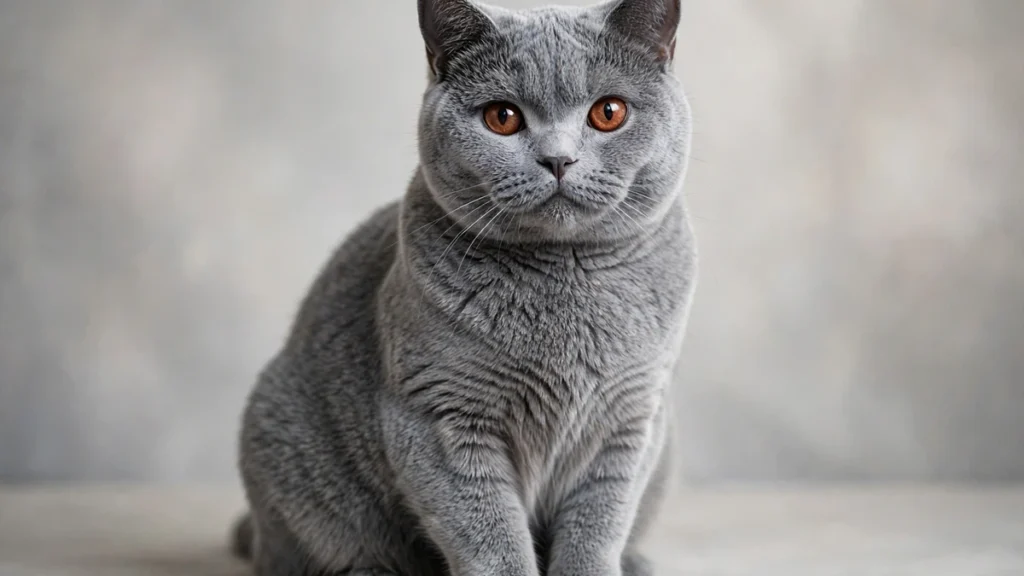
But the British Shorthair is more than a pretty face. Its history stretches back to ancient Britain, its coat comes in a remarkable range of colours and patterns, and its easygoing temperament makes it a favorite for families, singles, and apartment dwellers alike. This guide covers the breed’s origin, appearance, colour varieties, personality traits, and the most interesting facts about this iconic cat.
Origin and History of the British Shorthair
The British Shorthair’s story begins nearly two thousand years ago, when the Romans brought domestic cats to Britain. These sturdy cats interbred with native wildcats, and over centuries of natural selection a tough, thick-coated cat emerged — perfectly adapted to the damp British climate. For most of history, these were simply Britain’s hardy street and farm cats, valued as mousers rather than show animals.
The breed as we know it took shape in the Victorian era, thanks largely to Harrison Weir, often called the father of the cat fancy. Weir organized the first modern cat show at London’s Crystal Palace in 1871, where a 14-year-old blue tabby British Shorthair won Best in Show. Breeders began selectively refining the native cats, and the blue-gray variety — the famous “British Blue” — became the breed’s signature.
Two world wars nearly erased the breed, as breeding stock was lost and numbers collapsed. Dedicated breeders rebuilt the lines, at times outcrossing to Persians, Russian Blues, and French Chartreux to restore type and vigor. By the late 20th century the British Shorthair had fully recovered, and today it is among the most popular pedigree breeds on both sides of the Atlantic, recognized by every major registry including The Cat Fanciers’ Association (CFA) and The International Cat Association (TICA).
Appearance: The Teddy-Bear Look
The first thing anyone notices about a British Shorthair is its roundness. The breed standard calls for a “cobby” build — compact, muscular, and solid, with a broad chest, sturdy legs, and round paws. Males typically weigh 12 to 18 pounds and females 9 to 14 pounds, and the whole cat feels substantial and well-balanced when picked up.

The head is the breed’s hallmark: round and massive, with full, chubby cheeks, a short broad nose, and large round eyes that give an open, sweet expression. Ears are small to medium, set wide apart on the rounded skull. The tail is thick at the base, tapering to a rounded tip. Everything about the British Shorthair is curved — there is hardly a sharp angle on the entire cat.
The Signature Dense Coat
The British Shorthair’s coat is one of the densest of any cat breed: short, crisp, and plush, with a thick undercoat that makes it stand slightly away from the body. Run your hand across it and it feels like firm velvet — resilient rather than silky. This remarkable coat is a legacy of those centuries adapting to British weather.
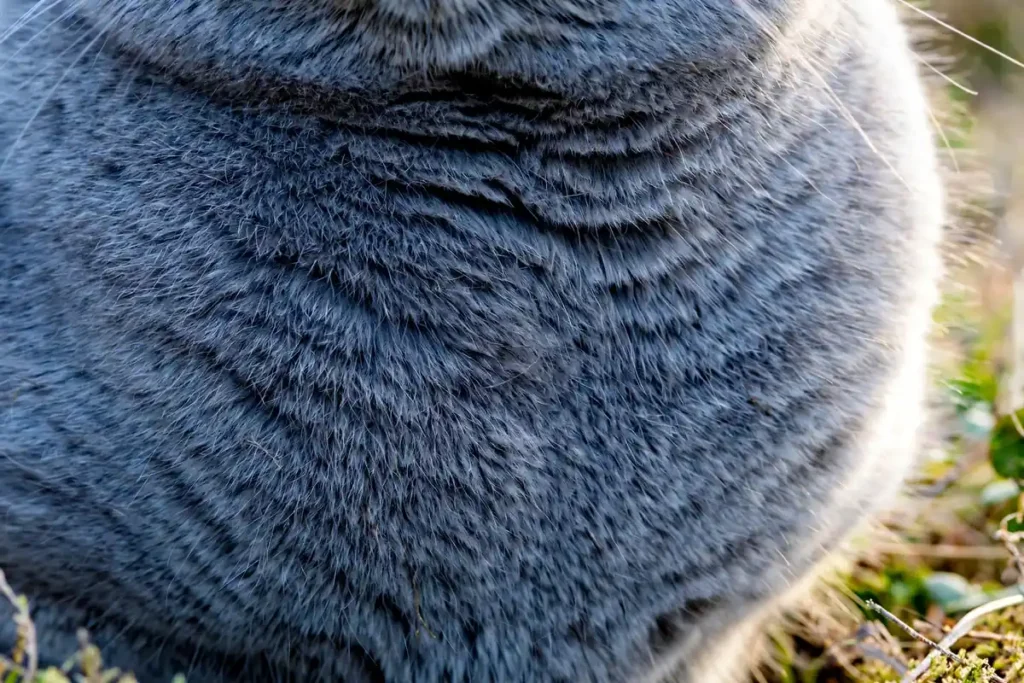
Grooming is refreshingly simple. A weekly brushing keeps the coat in good condition and manages the moderate shedding; during seasonal coat changes, a couple of extra sessions help. Compared with longhaired breeds, the British Shorthair is genuinely low-maintenance.
British Shorthair Colours and Patterns
While the blue-gray “British Blue” is the most famous variety, the British Shorthair comes in one of the widest colour ranges of any breed — a legacy of its diverse street-cat ancestry and careful breeding programs.
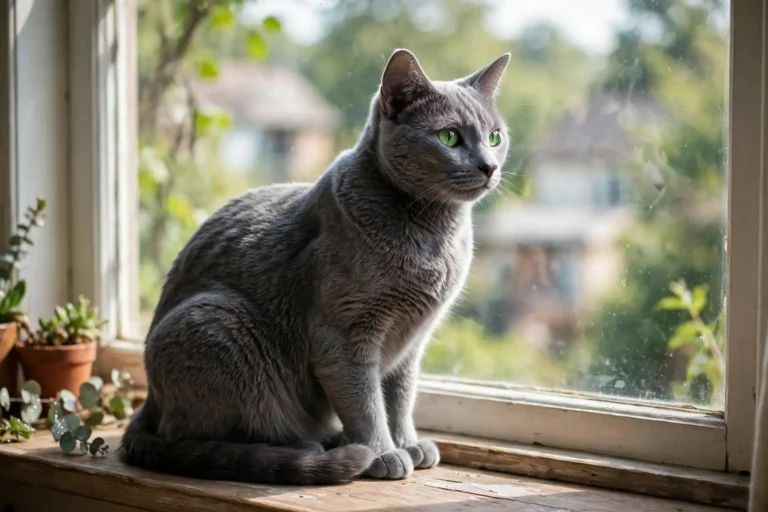
Solid colours include the iconic blue (a soft slate gray), plus black, white, cream, red, chocolate, lilac, and cinnamon. The blue variety remains the most recognized, but each solid colour shows off the plush coat texture beautifully.
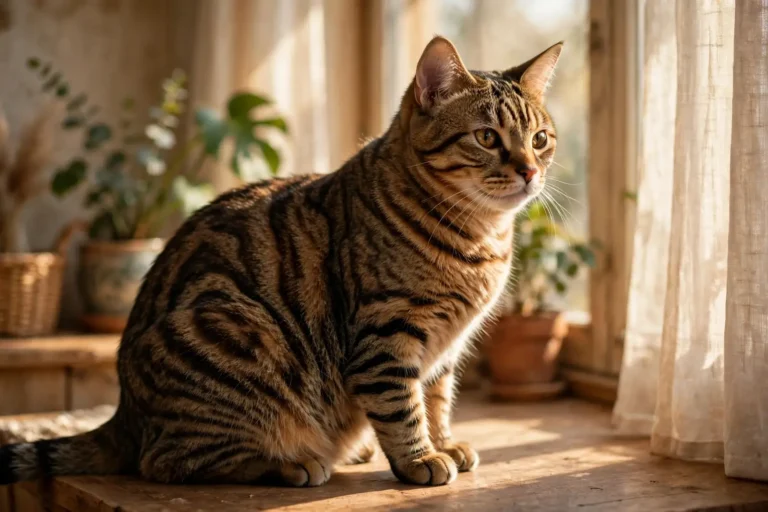
Tabby patterns — classic, mackerel, spotted, and ticked — appear in silver, brown, blue, red, and cream. The silver tabby, with its striking contrast, is especially eye-catching.
Bicolour and tricolour varieties pair white with any of the solid or tabby colours in balanced patches. Colourpoint British Shorthairs (with darker ears, face, paws, and tail) and smoke and shaded varieties round out a palette that gives every admirer a favorite.
Eye colour varies with coat: blue varieties typically have deep copper or gold eyes, while silver tabbies and pointed varieties may have green or blue eyes. Whatever the combination, the large round eyes are always a defining feature.

Personality Traits: Calm, Dignified, and Quietly Affectionate
If the British Shorthair’s looks say “teddy bear,” its personality says “perfect roommate.” These are calm, even-tempered cats that take life in stride. They are not clingy lap cats — most prefer to sit beside you rather than on you — but they are deeply loyal and happiest simply being near their people.
British Shorthairs are famously undemanding. They tolerate alone time better than many breeds, making them a natural fit for working owners, and they adapt smoothly to apartments, houses, and multi-pet homes. They get along well with children and other animals when introductions are handled patiently, thanks to their patient, unflappable nature.
Playfulness has a quiet style here. British Shorthairs enjoy interactive play — chasing a wand toy or batting a ball — but in dignified bursts rather than wild marathons. Kittens are, of course, more exuberant, but the breed matures into its characteristic composure by around age two or three. They are also notably quiet cats: you will hear soft chirps and the occasional meow, but rarely the demanding vocal performances of more talkative breeds.
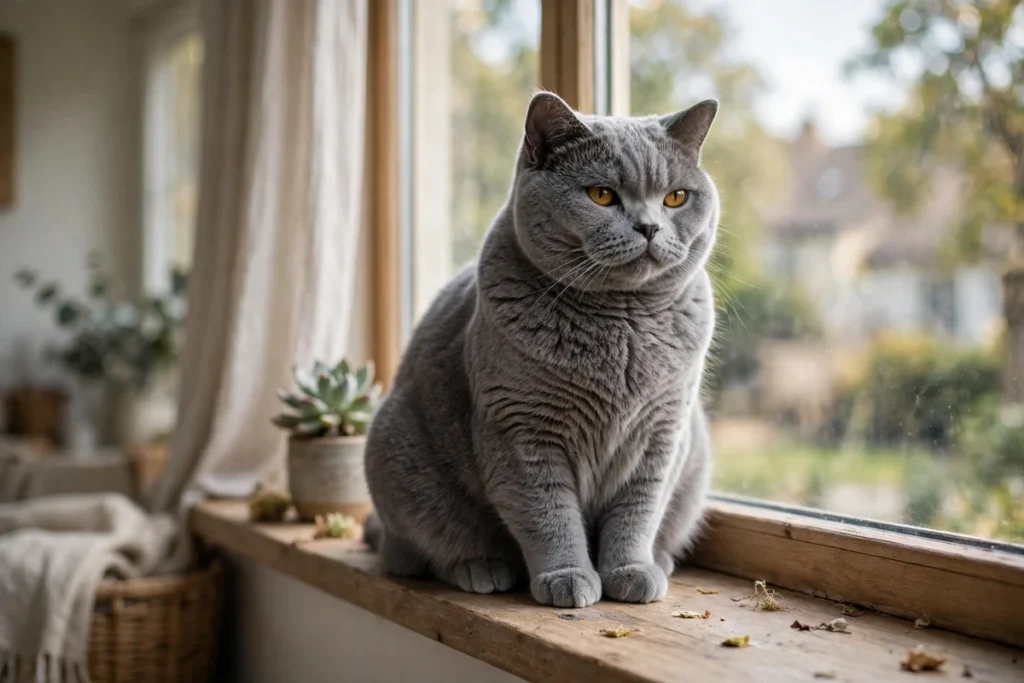
Independence is part of the charm. A British Shorthair will greet you at the door, follow you from room to room at a leisurely pace, and settle nearby while you work — affectionate on its own terms, never needy. For owners who want companionship without constant demands, it is hard to beat.
British Shorthair Kittens: What to Expect
British Shorthair kittens are almost comically round — chunky bodies, enormous eyes, and cheeks that arrive early. They are sturdy, playful kittens that enjoy the same games as any young cat, though even kittens of this breed tend toward a calmer play style than high-energy breeds.

One thing to know: British Shorthairs mature slowly. While most cats reach their full adult look by about a year, this breed keeps filling out until two to three years of age, with males developing their famously jowly cheeks last of all. Patience is rewarded — the dignified adult that emerges is worth the wait.
Interesting Facts About British Shorthairs
- Ancient roots: The breed descends from cats the Romans brought to Britain nearly 2,000 years ago, making it one of the oldest recognizable cat types in the world.
- Show royalty: A British Shorthair won Best in Show at the first modern cat show, London’s Crystal Palace exhibition of 1871.
- The Cheshire Cat connection: Many believe Lewis Carroll’s grinning Cheshire Cat was inspired by the round-faced British Shorthair — and the breed’s smiling expression certainly fits.
- A film star look: The breed’s plush coat and round face have made it a favorite for advertising and film, where its photogenic calmness shines.
- Quiet by nature: British Shorthairs are among the least vocal pedigree breeds, communicating more with expressive eyes than with meows.
- Slow to mature: The breed takes two to three years to reach full physical and facial maturity — one of the slowest developments among shorthair breeds.
Living With a British Shorthair: What to Know
A British Shorthair asks for little and gives a great deal. Provide quality daily companionship, regular interactive play sessions, a sturdy scratching post, and a calm, stable home routine, and this breed thrives. Weekly brushing handles the coat, and the breed’s adaptable nature means it settles happily into apartments and houses alike.
The main consideration is weight: the breed’s cobby build and calm lifestyle mean portion awareness and regular play matter for keeping these solid cats in good condition — discuss an appropriate routine with your veterinarian. Otherwise, the British Shorthair is famously easy to live with: quiet, clean, affectionate without being demanding, and endlessly charming to look at.
To compare the British Shorthair with other easygoing breeds, browse our Cats & Kittens guides, and visit the MyPetsMyLove homepage to discover more remarkable cat breeds.
Related Reading on MyPetsMyLove
- Persian Cats: History, Coat Types and Distinctive Features
- Ragdoll Cats: Why This Blue-Eyed Breed Captures So Much Attention
- Best Cat Breeds for First-Time Owners: A Complete Comparison
- Cats & Kittens hub page
- MyPetsMyLove homepage
- About Us page
References
- The Cat Fanciers’ Association (CFA) — British Shorthair breed standard and profile
- The International Cat Association (TICA) — British Shorthair breed information
Frequently Asked Questions
Where did the British Shorthair originate?
The breed descends from domestic cats brought to Britain by the Romans nearly 2,000 years ago. These cats adapted to the British climate over centuries, and Victorian breeders — led by Harrison Weir — refined them into the pedigree breed recognized today.
What colours do British Shorthairs come in?
British Shorthairs come in one of the widest colour ranges of any breed: solid colours (including the famous blue-gray, plus black, white, cream, red, and more), tabby patterns, bicolour, colourpoint, smoke, and shaded varieties.
What is the British Shorthair personality like?
Calm, dignified, and quietly affectionate. British Shorthairs are loyal companions that prefer sitting beside you to sitting on you, tolerate alone time well, and are known for being undemanding, patient, and notably quiet.
Are British Shorthairs good for apartments?
Yes. Their calm temperament, moderate activity level, and adaptability make them excellent apartment cats. They are content with indoor life as long as they get daily companionship and regular interactive play.
Do British Shorthairs need a lot of grooming?
No. The dense, plush coat needs only weekly brushing to stay in good condition, with a little extra attention during seasonal shedding. They are considered a low-maintenance breed for coat care.
Are British Shorthairs good with children and other pets?
Generally, yes. Their patient, easygoing nature helps them get along with respectful children, other cats, and calm dogs. As with any breed, gradual, supervised introductions work best.
Conclusion
The British Shorthair has earned its place as one of the world’s most loved breeds the honest way: through centuries of steady companionship. From Roman Britain to Victorian show halls to modern living rooms, it has remained what it always was — a calm, sturdy, good-natured cat with a teddy-bear face and a heart to match.
If you are looking for a dignified, low-maintenance companion that asks for little beyond your company, the British Shorthair deserves a place at the top of your list. Keep exploring with our Cats & Kittens guides, and start from the MyPetsMyLove homepage to meet more remarkable breeds.
Disclaimer
Disclaimer
MyPetsMyLove dot com is an independent informational website covering pet species breeds characteristics activities positive training bonding grooming and responsible ownership
We are not a veterinary clinic medical provider pet food provider or veterinary nutrition service
We do not provide veterinary diagnosis medical advice treatment food recommendations or nutritional guidance
For pet health medical or food related concerns consult a qualified veterinarian or appropriate professional directly
Independent clinics listed on this website are not owned or operated by MyPetsMyLove unless explicitly stated
Verify third party credentials services fees and availability independently
We do not guarantee third party services or outcomes
To the extent permitted by applicable law we disclaim responsibility for independent third party services
Nothing in this notice excludes liability that cannot legally be excluded
The disclaimer does not make prohibited content acceptable
5 Comments