
Ragdoll Cats: Why This Blue-Eyed Breed Captures So Much Attention
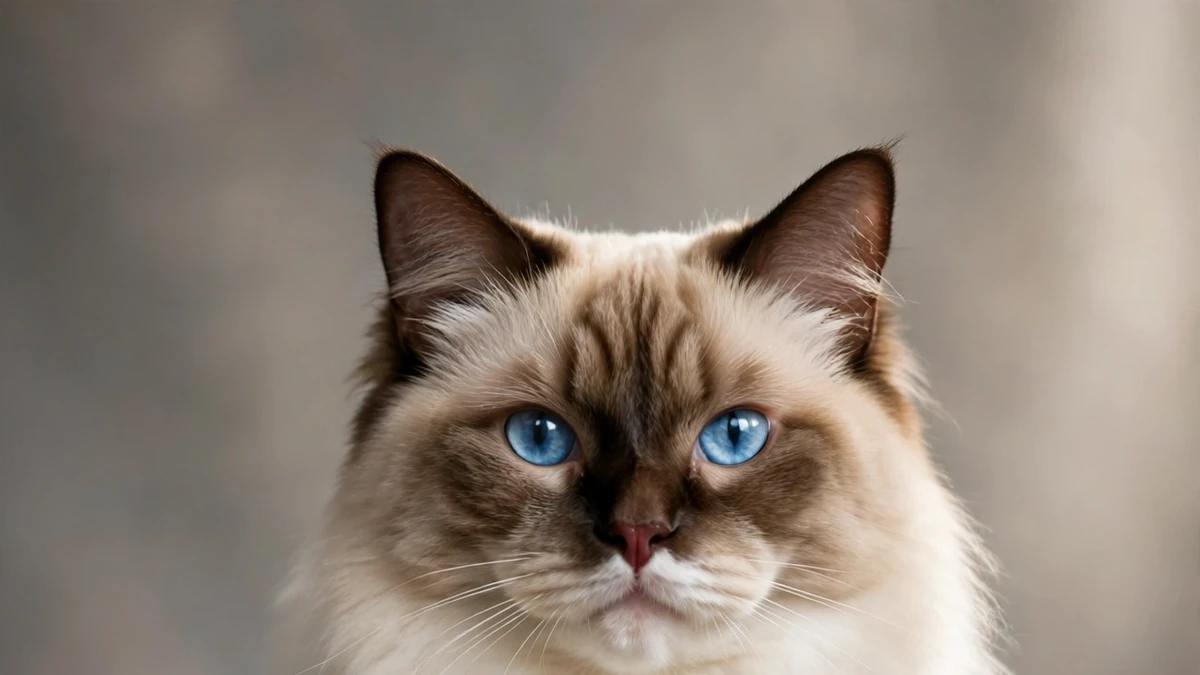
Few cat breeds inspire the devotion that Ragdoll cats do. With piercing blue eyes, silky pointed coats, and famously relaxed personalities, they have become one of America’s most beloved companion breeds — the cats that greet you at the door, follow you room to room, and go completely limp in your arms like a child’s rag doll.
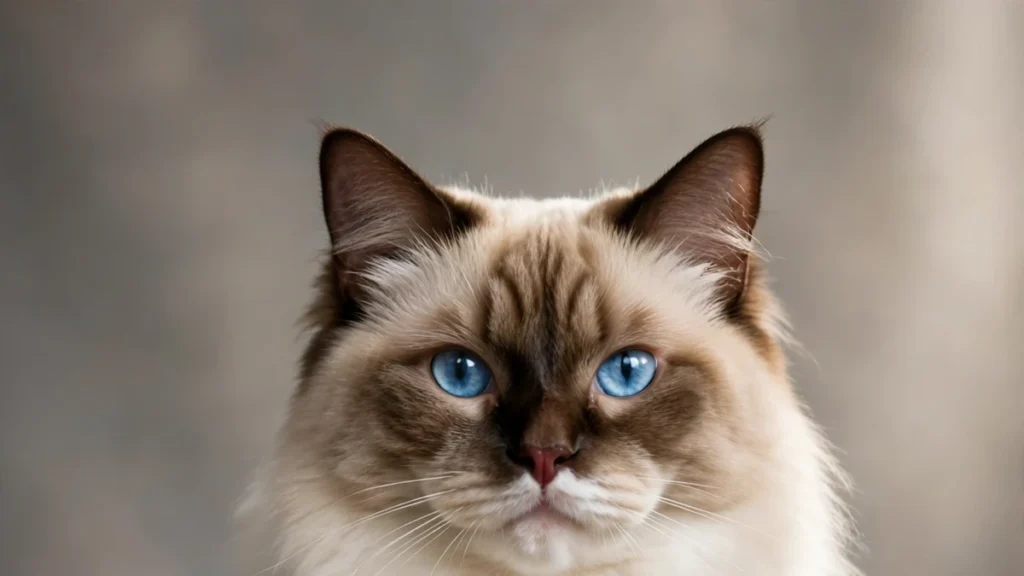
The Ragdoll cat breed is relatively young compared to ancient breeds, yet it has captured an enormous following. Registries such as The Cat Fanciers’ Association (CFA) and The International Cat Association (TICA) consistently rank Ragdolls among the most registered breeds. This guide explores the breed’s surprising history, its signature blue eyes, the truth behind the famous limp trait, coat patterns, temperament, and what everyday life with a Ragdoll looks like.
Origin and History of the Ragdoll Cat Breed
The Ragdoll story begins in Riverside, California, in the 1960s with a breeder named Ann Baker. Baker acquired a white longhaired female cat named Josephine, whose kittens displayed an unusually docile temperament. Baker selectively bred these cats, emphasizing the relaxed personality and striking pointed coloring, and in 1971 she trademarked the name “Ragdoll” and founded her own registry, the International Ragdoll Cat Association.
The breed’s early history was unusual: Baker kept tight control over breeding rights, which split breeders between her system and those pursuing mainstream recognition. Despite the controversy, the cats won admirers everywhere. CFA granted championship status in 2000 after TICA’s earlier recognition, and today the Ragdoll is firmly established worldwide.
What set the first Ragdolls apart was temperament as much as looks. Baker claimed Josephine’s kittens inherited their extraordinary docility, and whether or not every detail of the founding legend holds up, the breed’s gentle nature is real and well documented by generations of owners. The modern Ragdoll remains one of the most easygoing breeds in the cat world.
Blue Eyes: The Ragdoll’s Signature Look
The first thing most people notice about Ragdoll cats is their eyes. Large, oval, and a vivid shade of blue, they are one of the breed’s defining features — the Ragdoll standard in every major registry calls for blue eyes, and judges look for depth and brilliance of color. Against the pale body and darker pointed markings of the face, those blue eyes create the striking contrast that makes the breed instantly recognizable.
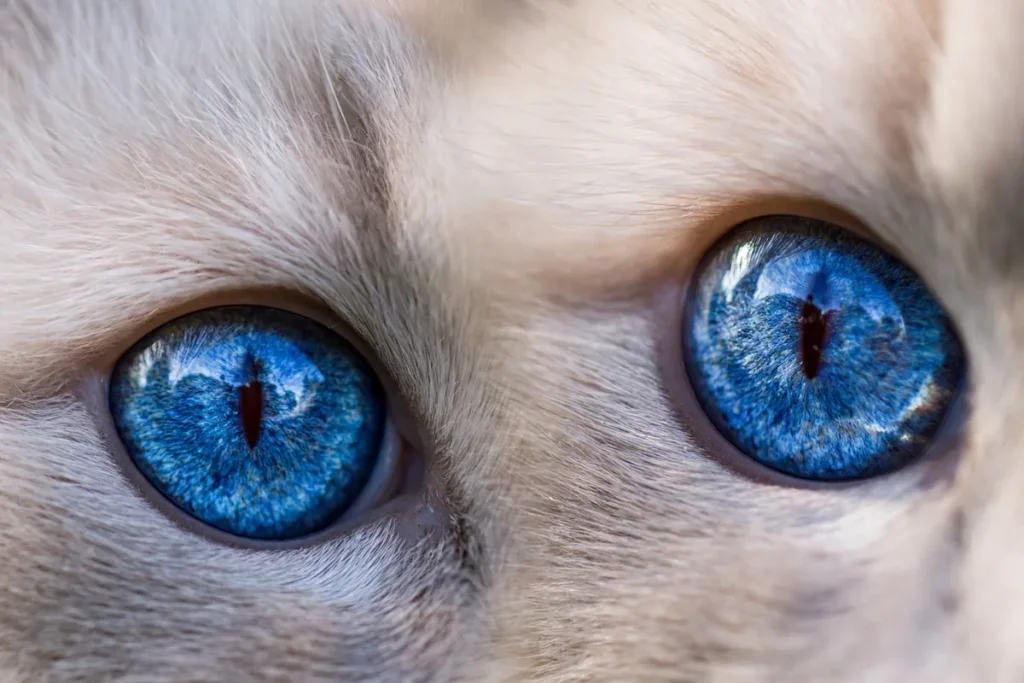
Blue eyes are linked to the genetics behind pointed coats: color concentrates at the cooler extremities while the body stays pale — the same mechanism as the Siamese look, expressed in a larger, semi-longhaired package. Kittens are born nearly white, and both pointed coloring and eye color deepen over the first couple of years.
The Ragdoll’s head complements those eyes beautifully: a broad, modified wedge with a flat plane between the ears, full cheeks, and a rounded muzzle. Medium-sized ears sit wide on the head, and the overall expression is famously sweet — breeders describe it as an open, gentle look that matches the cat’s personality.
The Famous Ragdoll Temperament
The Ragdoll’s name comes from its most celebrated trait: when picked up, many Ragdolls go completely limp and relaxed in their owner’s arms, like a floppy rag doll. Not every individual does it to the same dramatic degree, but the tendency toward total relaxation when handled is genuinely characteristic of the breed and unlike anything seen in most other cats.
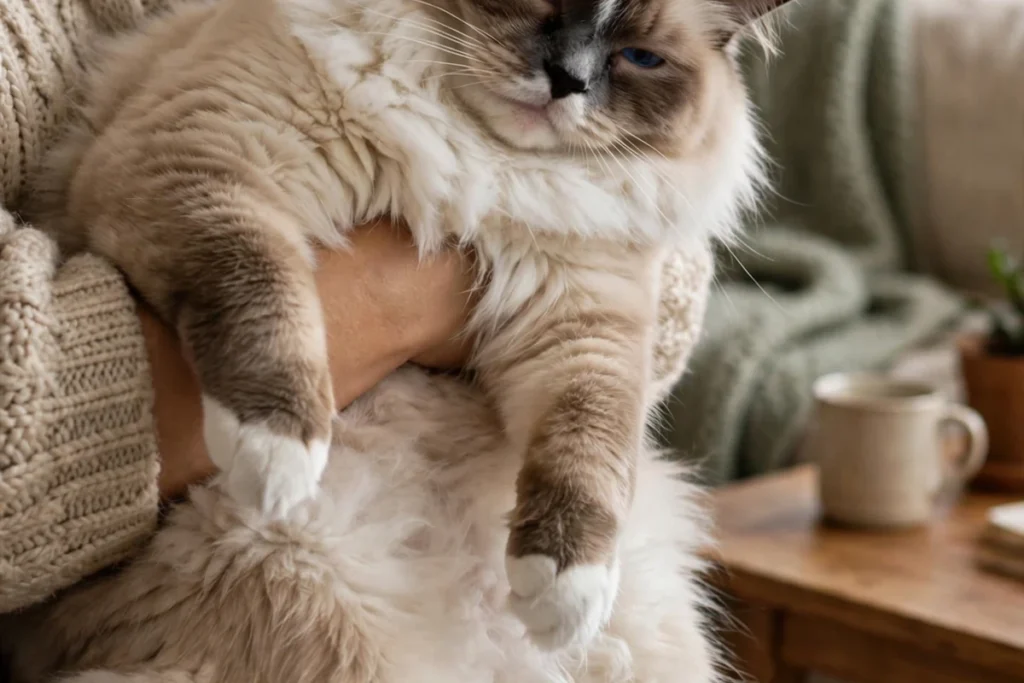
Beyond the famous flop, Ragdoll temperament is defined by exceptional docility and affection. These are “people cats” in the truest sense — they tend to greet family members at the door, follow their favorite humans around the house, and settle nearby (or on a lap) whenever someone sits down. They are often described as puppy-like: many Ragdolls learn to come when called, play fetch, and shadow their owners from room to room.
Ragdolls are notably tolerant, accepting handling with a patience that makes them popular with families. Their voices are soft — they communicate with gentle trills rather than loud meows — and they are indoor-oriented by nature, showing little interest in roaming.
One honest caveat: that same trusting, easygoing nature means Ragdolls should be kept as indoor cats. They are not streetwise, and their tendency to relax rather than defend themselves makes the outdoors a poor fit. For an indoor companion, though, few breeds are more devoted.
Ragdoll Size and Build
Ragdolls are among the larger domestic cat breeds. Males typically weigh between 15 and 20 pounds, while females usually range from 10 to 15 pounds. They have a long, muscular, substantial body with a broad chest, and they carry their size with a soft, elegant look rather than a bulky one. The tail is long, full, and plumed, carried gracefully.
Like the Maine Coon, Ragdolls mature slowly. They may not reach their full size and coat development until three to four years of age, and their pointed colors continue to deepen during that time. Owners often enjoy watching their pale kitten gradually transform into the richly colored adult the breed is known for.
Coat Colors and Patterns
The Ragdoll’s semi-long coat is one of its glories: silky, soft, and remarkably low-maintenance for a longhaired breed. It has minimal undercoat, which means it resists matting far better than the dense coats of breeds like the Persian. A gentle brushing once or twice a week is usually enough to keep it smooth and tangle-free, and most Ragdolls enjoy the attention.
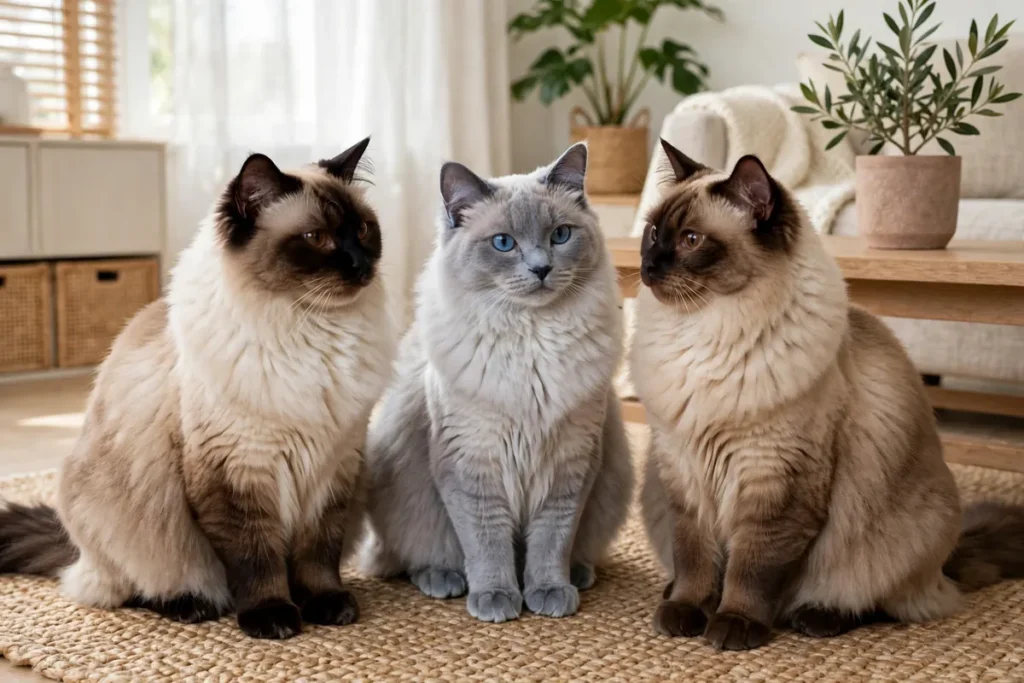
Ragdolls come in six pointed colors — seal, blue, chocolate, lilac, red, and cream — and three patterns: colorpoint, mitted, and bicolor. Colorpoint Ragdolls have the classic Siamese-style pattern with darker points and no white. Mitted Ragdolls have white “mittens” on the front paws, white boots on the back legs, a white chin, and often a white belly stripe. Bicolors display an inverted-V of white on the face, white legs, and a white underside, creating the breed’s most dramatic look.
Each pattern is judged against a detailed standard, but for companion owners the takeaway is simple: whatever the pattern, the combination of silky pointed coat and blue eyes is what makes a Ragdoll look like a Ragdoll.
Living With a Ragdoll: What to Expect
A Ragdoll fits best where companionship is plentiful. These cats thrive on human interaction and can grow lonely if left alone for long stretches, so they suit households where someone is around much of the day. In return, owners get a constant, gentle shadow.
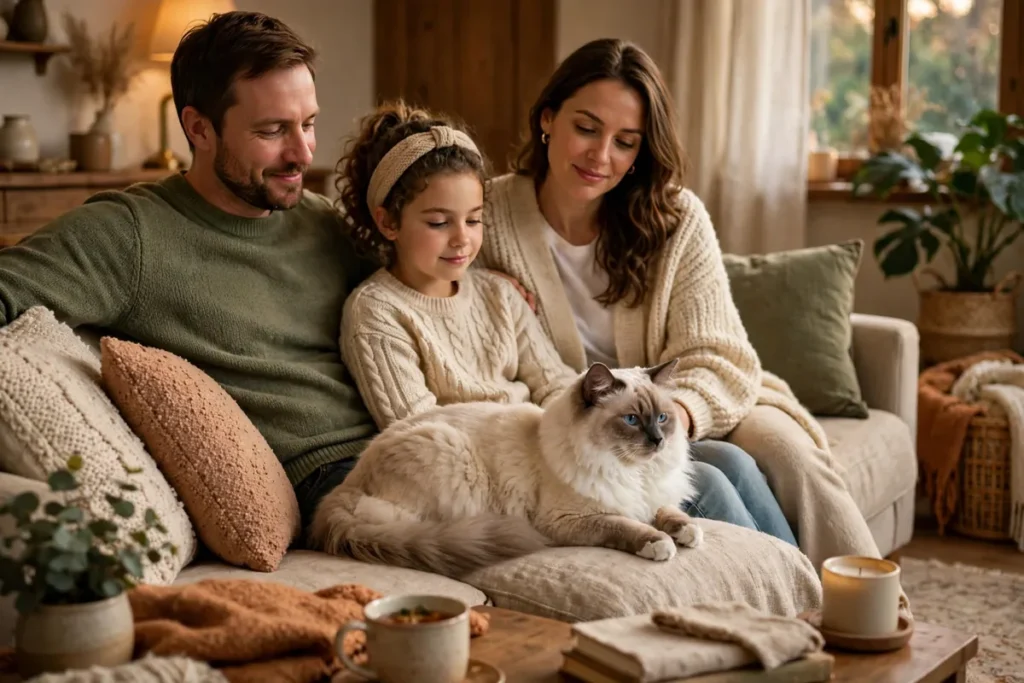
Ragdolls are famously good with children and tend to coexist peacefully with other cats and with cat-friendly dogs. Their play style is gentle rather than rough, and they typically prefer interactive play — feather wands, soft toys, and games with their owners — over solitary mischief. They are not known as climbers or curtain-scalers; a sturdy scratching post, a comfortable perch by a window, and regular play sessions cover their needs.
Grooming is straightforward: the silky coat needs brushing once or twice a week, and routine nail trims and dental care round out the basics. Because Ragdolls are so people-oriented, most owners find the grooming sessions double as bonding time the cat actively enjoys.
Ragdoll Kittenhood and Early Development
Ragdoll kittens are born almost entirely white, with their pointed colors emerging gradually over the first weeks and deepening for years. Their blue eyes are present from the start and only grow more vivid. Kittens are playful and curious like all kittens, but even young Ragdolls tend to show the breed’s signature gentleness — they are often described as easy to handle from an early age.

Because the breed matures slowly, Ragdoll kittens stay kitten-like longer than many breeds — part of the charm. Early socialization with gentle handling, household sounds, and positive play helps shape the confident, relaxed adult the breed is known for.
Interesting Facts About Ragdoll Cats
- The name is literal: The breed is named for the tendency of its cats to go limp and floppy when picked up — the single most famous temperament trait in the cat fancy.
- A California original: Unlike most pedigreed breeds with centuries of history, the Ragdoll was developed in Riverside, California, in the 1960s, making it one of the newest major breeds.
- Trademarked name: Founder Ann Baker trademarked the name “Ragdoll,” an unusual step that shaped the breed’s early — and sometimes controversial — history.
- Slow to mature: Ragdolls take three to four years to reach full size and color, one of the longest development periods among domestic breeds.
- Puppy-like followers: Many Ragdolls greet owners at the door, follow them room to room, and learn tricks like fetch — behaviors more associated with dogs.
- Blue eyes are mandatory: In every major registry, the Ragdoll standard requires blue eyes; it is a defining, non-negotiable breed trait.
- Registration stars: Ragdolls consistently rank among the most registered breeds with CFA and TICA, a remarkable rise for such a young breed.
Related Reading on MyPetsMyLove
- Maine Coon Cats: Origin, Size, Appearance and Interesting Facts
- Persian Cats: History, Coat Types and Distinctive Features
- 25 Most Popular Cat Breeds in the USA and What Makes Each One Special
- Cats & Kittens hub page
- MyPetsMyLove homepage
- About Us page
References
- The Cat Fanciers’ Association (CFA) — Ragdoll breed standard and profile
- The International Cat Association (TICA) — Ragdoll breed information
Frequently Asked Questions
Why do Ragdoll cats go limp when picked up?
Going limp when held is the breed’s signature trait and the source of its name. Ragdolls were selectively bred for an exceptionally docile temperament, and most individuals relax completely in their owner’s arms. The degree varies by cat, but the tendency is characteristic of the breed.
Are Ragdoll cats’ eyes always blue?
Yes — blue eyes are a required breed trait in every major registry’s Ragdoll standard. The vivid blue color is linked to the pointed coat genetics, and judges look for depth and brilliance of eye color.
Are Ragdoll cats good with children?
Ragdolls are among the most tolerant and patient breeds, which makes them popular in families. They generally accept handling calmly and their gentle play style suits households with children, though supervision with very young kids is always wise.
Do Ragdoll cats need a lot of grooming?
Despite the semi-long coat, Ragdolls are relatively low-maintenance. The silky coat has minimal undercoat and resists matting, so brushing once or twice a week is usually enough to keep it smooth.
Are Ragdoll cats indoor or outdoor cats?
Ragdolls are best kept as indoor cats. Their trusting, easygoing nature means they are not streetwise, and their tendency to relax rather than react makes the outdoors a poor fit. Indoors, they are content and devoted companions.
How big do Ragdoll cats get?
Ragdolls are a large breed: males typically weigh 15 to 20 pounds and females 10 to 15 pounds. They mature slowly, reaching full size and coat development at three to four years of age.
Conclusion
The Ragdoll earns its devoted following honestly. A young breed with an unmistakable look — vivid blue eyes, a silky pointed coat — and a temperament built around human companionship, it offers something rare: a large, striking cat with the soul of a lapdog. From the famous limp-when-held trait to the gentle habit of following owners room to room, Ragdoll cats capture attention and keep it.
If the Ragdoll has won you over, keep exploring: our Cats & Kittens guides cover coat patterns, kitten development, and everyday life with cats, and the MyPetsMyLove homepage opens the door to many more remarkable breeds.
Disclaimer
Disclaimer
MyPetsMyLove dot com is an independent informational website covering pet species breeds characteristics activities positive training bonding grooming and responsible ownership
We are not a veterinary clinic medical provider pet food provider or veterinary nutrition service
We do not provide veterinary diagnosis medical advice treatment food recommendations or nutritional guidance
For pet health medical or food related concerns consult a qualified veterinarian or appropriate professional directly
Independent clinics listed on this website are not owned or operated by MyPetsMyLove unless explicitly stated
Verify third party credentials services fees and availability independently
We do not guarantee third party services or outcomes
To the extent permitted by applicable law we disclaim responsibility for independent third party services
Nothing in this notice excludes liability that cannot legally be excluded
The disclaimer does not make prohibited content acceptable
6 Comments