
25 Most Popular Cat Breeds in the USA and What Makes Each One Special
 Maine Coon, Persian, Siamese, Bengal, and British Shorthair — sitting together.” class=”wp-image-1179″/>
Cats come in a remarkable variety of shapes, sizes, coat colors, and personalities. Some breeds are known for their luxurious long coats, others for their striking patterns or distinctive voices. This guide introduces 25 of the most popular cat breeds in the USA, with a look at each breed's origin, appearance, and the characteristics that make it special.
Popularity shifts over time, but the breeds below consistently rank among America's most recognized and registered pedigree cats according to organizations such as The Cat Fanciers' Association (CFA). Whether you are researching your first cat or simply love learning about feline variety, this list is a useful starting point.
Large, Gentle, and Fluffy Breeds
These breeds are known for their impressive size, abundant coats, or calm, affectionate nature.
Maine Coon
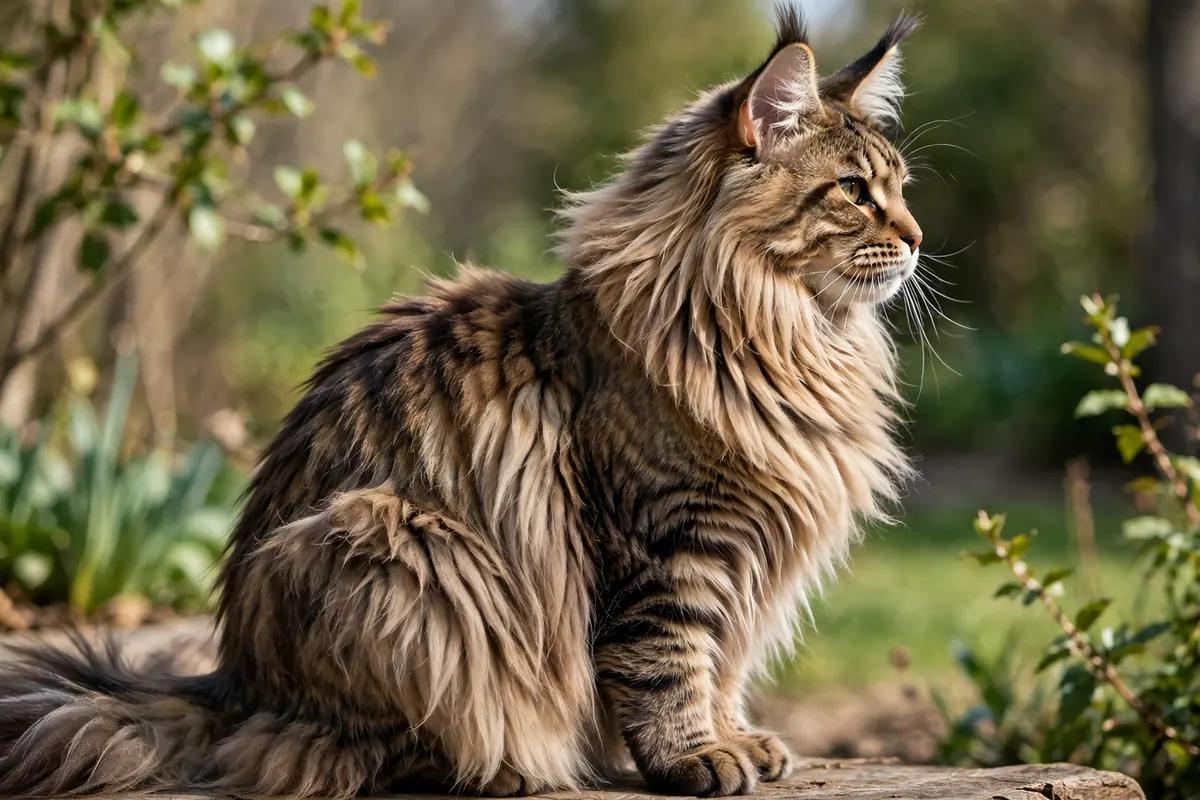
The Maine Coon is one of the largest domestic cat breeds and consistently ranks among America's most popular, according to CFA registration data. Originating in the state of Maine, it developed a long, shaggy, water-resistant coat suited to cold climates. Distinctive features include tufted ears, a bushy tail, and a sturdy rectangular body. Maine Coons are often described as gentle and sociable.
Persian
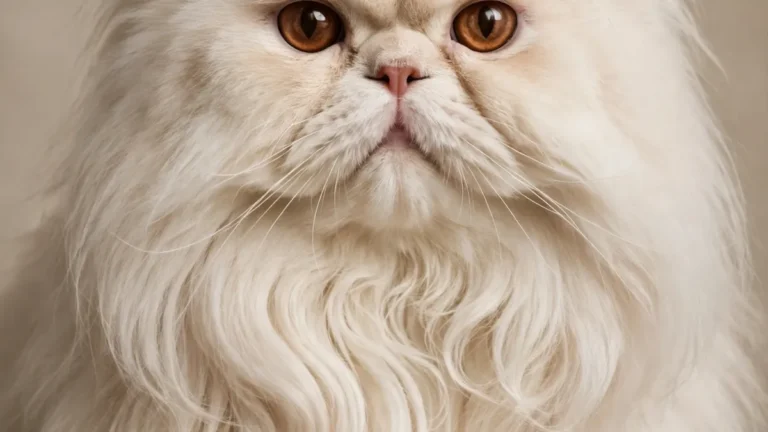
The Persian is one of the oldest recognized cat breeds, with roots tracing back to longhaired cats from Persia (modern-day Iran). It is famous for its long, flowing coat, round head, and expressive eyes. Persians have a calm, quiet demeanor and are often described as placid companions. Their luxurious coat requires regular grooming.
Ragdoll
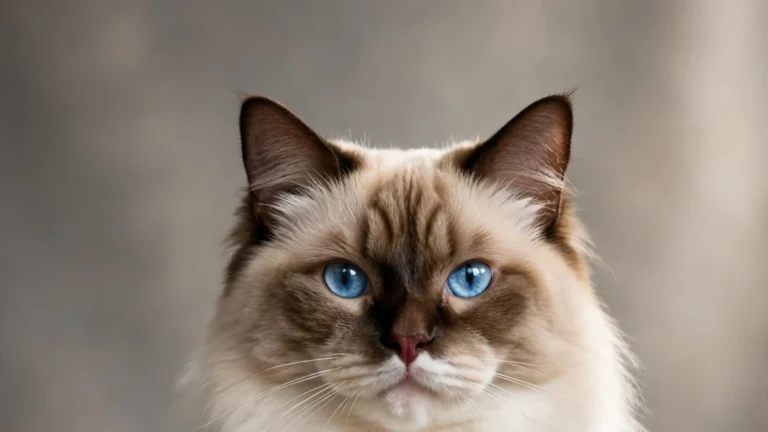
The Ragdoll was developed in California in the 1960s and is known for its semi-long coat, vivid blue eyes, and colorpoint pattern. Ragdolls are large, sturdy cats often described as relaxed and affectionate. Their name comes from the breed's tendency to go limp when held, a trait noted by its early breeders.
Norwegian Forest Cat
This natural breed comes from Norway, where it adapted to harsh Scandinavian winters with a thick, water-resistant double coat. Sometimes called the "Wegie," the Norwegian Forest Cat is large and athletic, with a triangular head, tufted ears, and a bushy tail. It is an ancient breed with roots in Norse legend.
Birman
The Birman is a medium-to-large breed with a silky semi-long coat, deep blue eyes, and distinctive white "gloves" on its paws. Legend links the breed to temples in Burma (Myanmar), though its modern development took place in France. Birmans are often described as gentle and people-oriented.
Himalayan
The Himalayan combines the Persian's body type and long coat with the Siamese's colorpoint pattern and blue eyes. Developed through selective breeding in the mid-20th century, Himalayans have round faces, stocky bodies, and pointed markings in shades such as seal, blue, and chocolate.
Turkish Angora
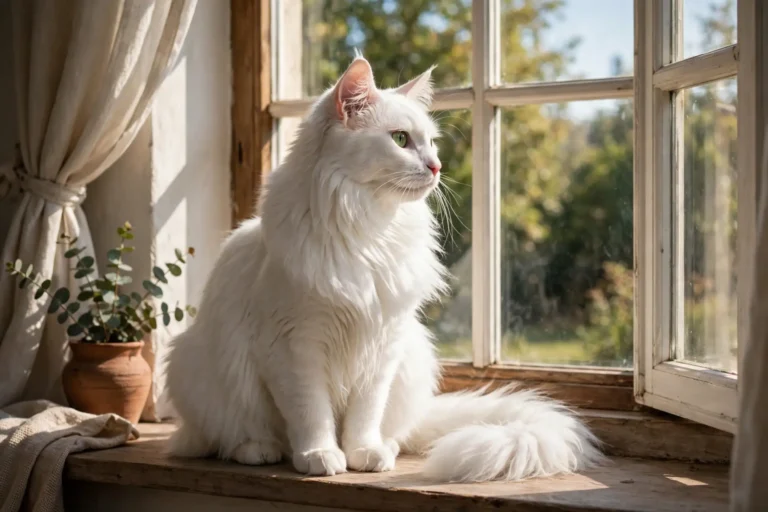
One of the oldest natural breeds, the Turkish Angora originates from the Ankara region of Turkey. It is known for its silky, medium-length coat — often white — and its elegant, fine-boned body. Turkish Angoras are active, graceful cats with a long history; they were among the first longhaired cats brought to Europe.
Short-Coated and Sleek Breeds
Short-coated breeds are known for their low-maintenance coats and athletic builds.
British Shorthair
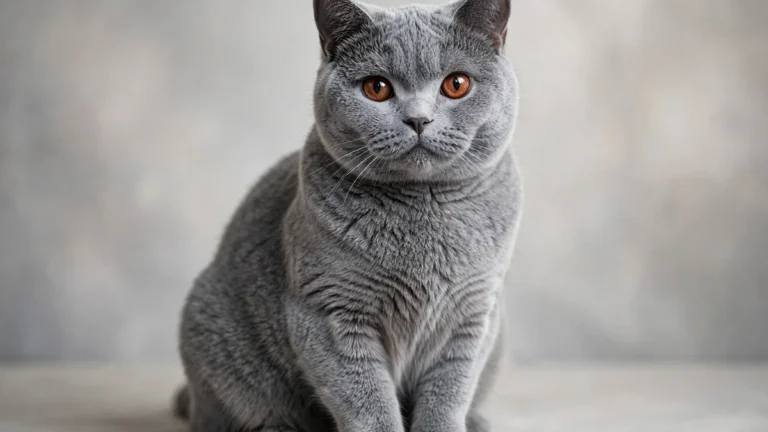
The British Shorthair is one of the oldest English breeds, with a sturdy, cobby body and a dense, plush coat. Blue-gray is the classic color, though the breed appears in many colors and patterns. British Shorthairs have round faces and copper or gold eyes, and are often described as calm and dignified.
American Shorthair
Developed from cats brought to North America by early settlers, the American Shorthair is a medium-to-large breed with a muscular build and a dense, thick coat. Tabby is the most familiar pattern. The breed is known for its hardy constitution and even temperament.
Russian Blue
The Russian Blue is admired for its short, dense, silver-blue coat and vivid green eyes. Originating from the port of Arkhangelsk in Russia, this breed has an elegant, fine-boned body and a characteristic gentle smile. Russian Blues are often described as reserved with strangers but devoted to their families.
Siamese
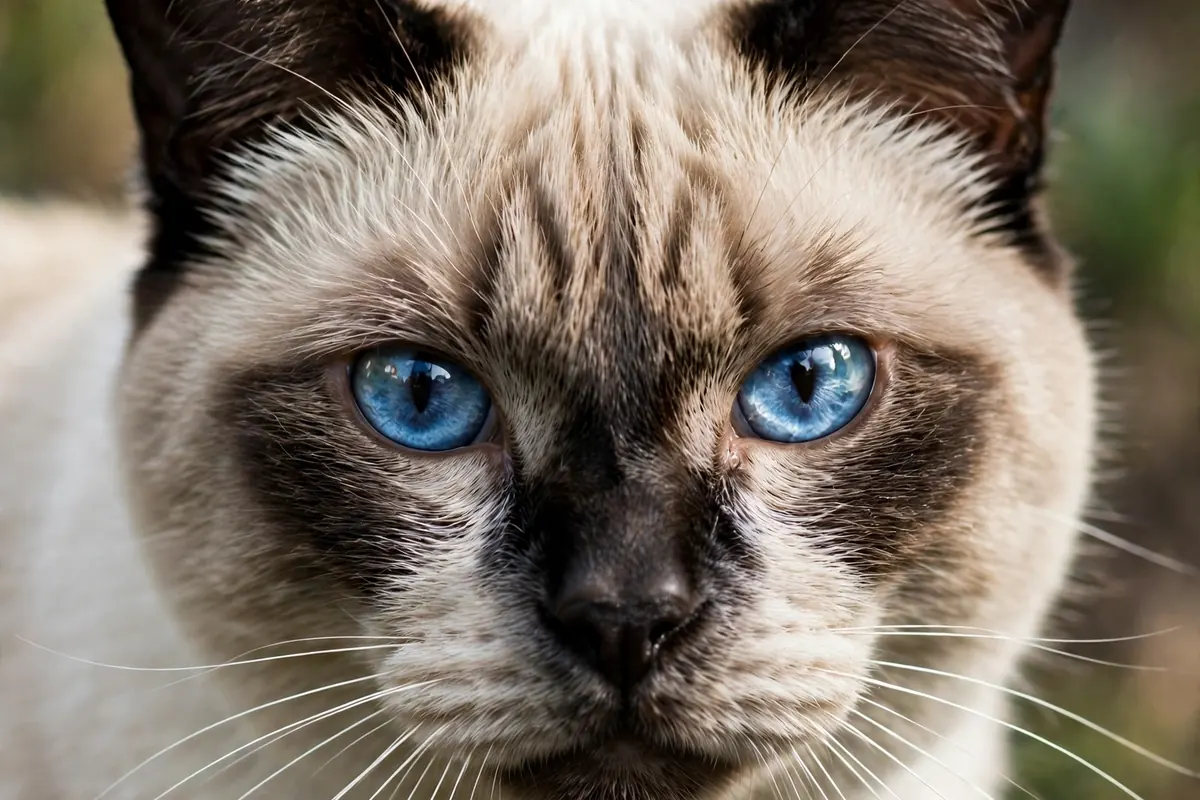
The Siamese is one of the most recognizable cat breeds in the world, originating from Thailand (formerly Siam). It has a sleek, slender body, a short coat with dark color points on the ears, face, paws, and tail, and striking blue almond-shaped eyes. Siamese cats are famously vocal and social.
Oriental Shorthair
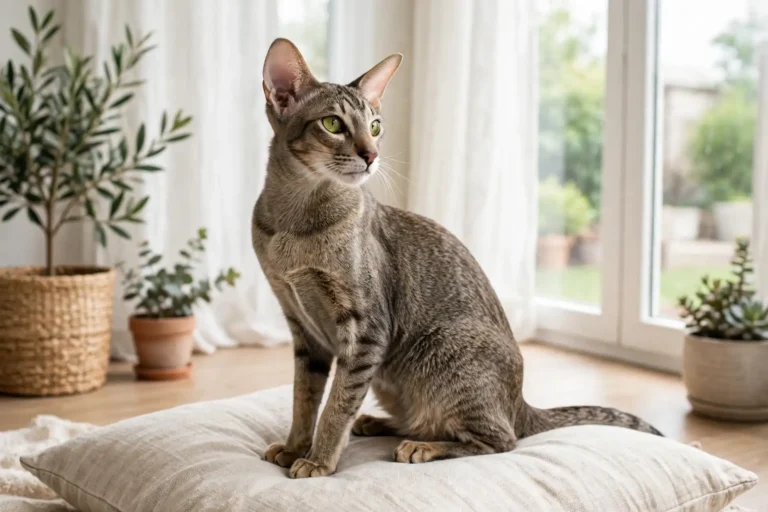
Closely related to the Siamese, the Oriental Shorthair shares its slender body and large ears but appears in a wide range of solid colors and patterns — over 300 color combinations are recognized. Orientals are active, curious, and highly people-oriented.
Burmese
Developed in the United States from cats of Southeast Asian origin, the Burmese is a medium-sized breed with a short, satiny coat and gold or yellow eyes. Burmese cats are muscular and surprisingly heavy for their size, and are often described as playful and affectionate.
Tonkinese
The Tonkinese is a cross between the Siamese and the Burmese, combining traits of both. It has a medium, muscular body, a short silky coat in pointed, mink, or solid patterns, and aqua-colored eyes in the mink pattern. Tonkinese cats are active and sociable.
Chartreux
This French breed is known for its blue-gray woolly coat, copper or gold eyes, and smiling expression. The Chartreux is a sturdy, quiet breed with roots in France dating back centuries. It is less widely known in the USA than some breeds but has a devoted following.
Distinctive Coats and Patterns
These breeds stand out for unusual or eye-catching coat characteristics.
Bengal
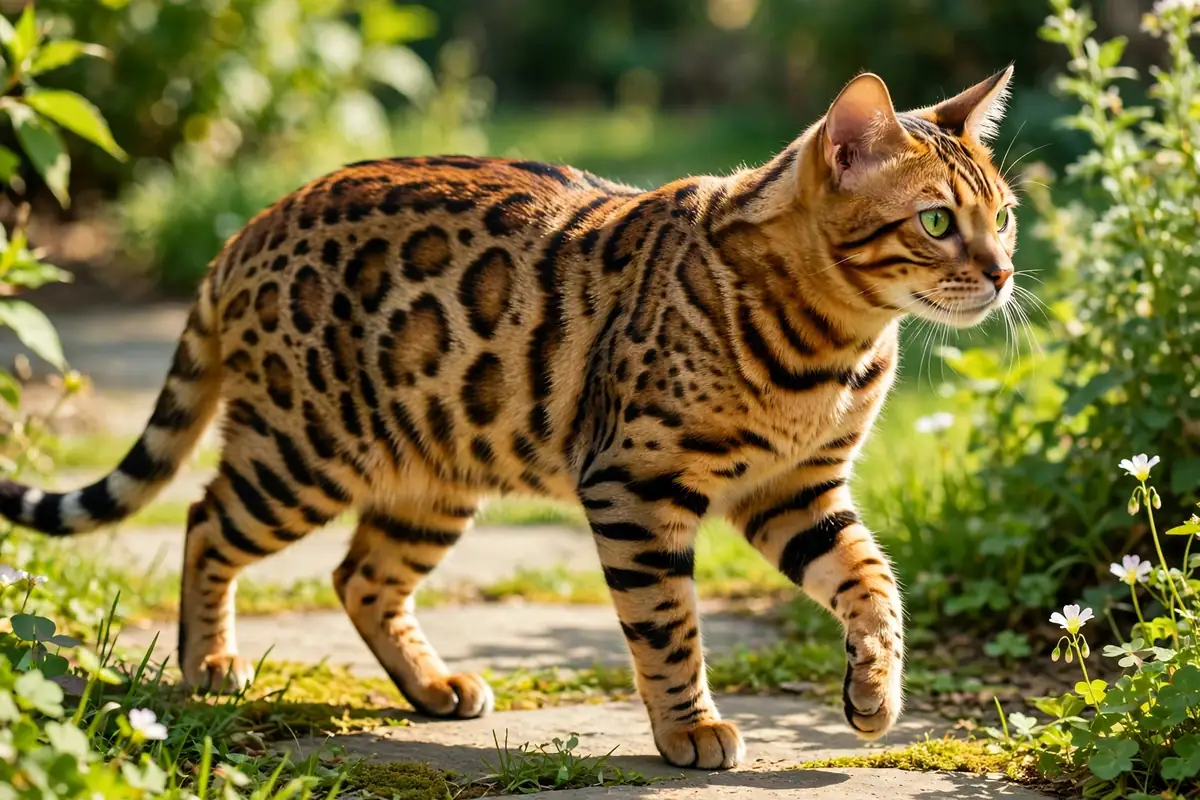
The Bengal was developed by crossing domestic cats with the Asian leopard cat, giving it a wild-looking spotted or marbled coat. Bengals have a sleek, muscular build and a glittered coat that appears to shimmer. They are active, athletic cats known for their love of climbing and water play.
Scottish Fold
The Scottish Fold is instantly recognizable by its folded ears, caused by a natural genetic variation first observed in Scotland in the 1960s. Folds have round heads, round eyes, and plush coats in many colors. They are often described as sweet-natured and adaptable.
Sphynx
The Sphynx is famous for its hairless appearance, though it actually has a fine covering of down. Originating in Canada, the breed has large ears, wrinkled skin, and an extroverted personality. Because of its lack of coat, the Sphynx feels warm to the touch and requires regular bathing.
Devon Rex
The Devon Rex has a distinctive curly or wavy coat, large ears, and an elfin face. Originating in Devon, England, this breed is small to medium in size with a slender body. Devon Rex cats are often described as mischievous, playful, and highly attached to their people.
Cornish Rex
Related to but distinct from the Devon Rex, the Cornish Rex has a short, rippled coat with no guard hairs, giving it a soft, suede-like feel. Originating in Cornwall, England, the breed is slender and athletic with large ears and an egg-shaped head.
Bombay
The Bombay was developed in the USA to resemble a miniature black panther, with a sleek black coat and gold or copper eyes. It combines the Burmese's body type with a solid black coat. Bombays are muscular, medium-sized cats often described as affectionate and sociable.
Somali
The Somali is the longhaired version of the Abyssinian, with a full, ticked coat, a bushy tail, and large ears. Developed in the USA, Somalis have a fox-like appearance and an athletic build. They are active, playful cats known for their agility.
Elegant and Unusual Breeds
Abyssinian
One of the oldest known breeds, the Abyssinian has a short, ticked coat that gives it a warm, agouti appearance. With its large ears, almond eyes, and athletic build, the Abyssinian resembles the cats depicted in ancient Egyptian art. Abyssinians are active, intelligent, and curious.
Exotic Shorthair
Often called the "lazy man's Persian," the Exotic Shorthair has the Persian's round face and cobby body with a short, plush coat that is easier to maintain. Developed in the USA in the 1960s, Exotics share the Persian's calm temperament in a lower-maintenance package.
Balinese
The Balinese is the longhaired version of the Siamese, with a silky, flowing coat, colorpoint pattern, and vivid blue eyes. Unlike the Persian's dense coat, the Balinese coat is fine and lies close to the body. Balinese cats share the Siamese's vocal, social nature.
Manx
The Manx originates from the Isle of Man and is known for its naturally occurring taillessness, ranging from no tail to a full tail. Manx cats have round heads, round bodies, and a sturdy build. They are often described as loyal and dog-like in their attachment to owners.
Related Reading on MyPetsMyLove
- Maine Coon Cats: Origin, Size, Appearance and Interesting Facts
- Persian Cats: History, Coat Types and Distinctive Features
- Best Cat Breeds for First-Time Owners: A Complete Comparison
- Cats & Kittens hub page
- MyPetsMyLove homepage
- About Us page
References
- The Cat Fanciers' Association (CFA) — breed standards and registration statistics
- The International Cat Association (TICA) — recognized breed list
Frequently Asked Questions
Which cat breed is the most popular in the USA?
Popularity varies by year and registry, but breeds such as the Maine Coon, Ragdoll, and Persian consistently rank among America's most registered pedigree cats according to CFA data.
What is the largest domestic cat breed?
The Maine Coon is one of the largest domestic cat breeds, with males commonly reaching notably large sizes compared with average domestic cats.
Which cat breeds have blue eyes?
The Siamese, Ragdoll, Birman, Balinese, and Himalayan are well-known blue-eyed breeds, typically paired with colorpoint coat patterns.
What is the difference between a tabby and a Bengal?
Tabby describes a coat pattern (stripes, spots, or swirls) found in many cats, while the Bengal is a specific breed known for its wild-looking spotted or marbled coat.
Are long-haired cat breeds harder to care for?
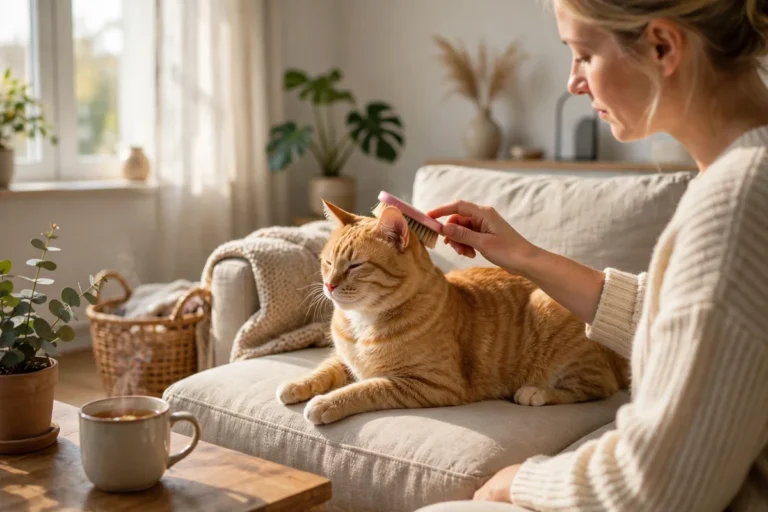
Long-haired breeds such as the Persian and Maine Coon generally need more frequent brushing than short-haired breeds to keep their coats free of tangles.
What does "colorpoint" mean?
Colorpoint describes a pattern where the ears, face, paws, and tail are darker than the rest of the body, seen in breeds like the Siamese, Ragdoll, and Birman.
Conclusion
From the gentle giant Maine Coon to the vocal Siamese and the wild-looking Bengal, America's popular cat breeds offer remarkable variety in appearance, origin, and character. Understanding what makes each breed distinct helps you appreciate feline diversity — and makes researching a future companion far more enjoyable.
Explore more in our Cats & Kittens guides to discover coat colors and patterns, kitten development, and everyday life with cats.
Disclaimer
Disclaimer
MyPetsMyLove dot com is an independent informational website covering pet species breeds characteristics activities positive training bonding grooming and responsible ownership
We are not a veterinary clinic medical provider pet food provider or veterinary nutrition service
We do not provide veterinary diagnosis medical advice treatment food recommendations or nutritional guidance
For pet health medical or food related concerns consult a qualified veterinarian or appropriate professional directly
Independent clinics listed on this website are not owned or operated by MyPetsMyLove unless explicitly stated
Verify third party credentials services fees and availability independently
We do not guarantee third party services or outcomes
To the extent permitted by applicable law we disclaim responsibility for independent third party services
Nothing in this notice excludes liability that cannot legally be excluded
The disclaimer does not make prohibited content acceptable
13 Comments