
Traveling With Your Cat: A Complete Guide for Calm Trips
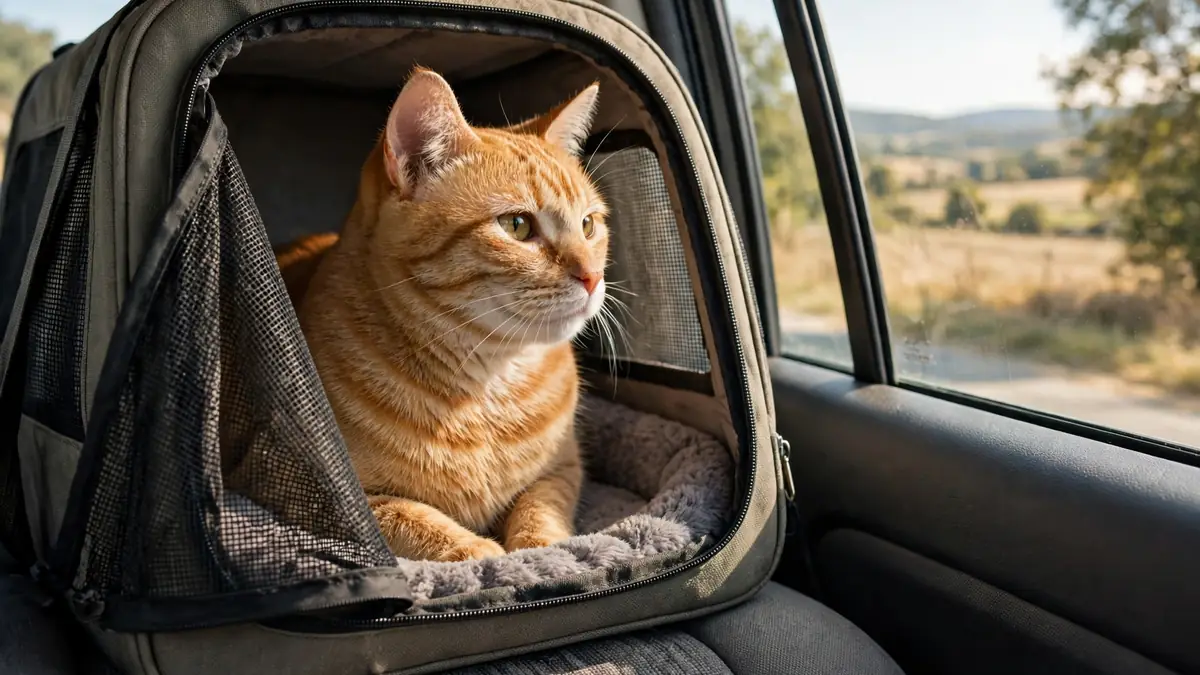
Picture this: you are packed, the car is loaded, and your cat has vanished under the bed. Sound familiar? Most cats would happily skip the whole adventure and stay home, yet travel is sometimes unavoidable — a move across town, a holiday visit, or a flight to a new city. The good news is that traveling with a cat does not have to be a struggle. With the right carrier, a little practice, and a few familiar comforts, many cats settle into travel far better than their owners expect. This guide walks through every step, from choosing a carrier to settling into a new room.
Why Cats Find Travel Stressful
Cats are creatures of habit. A cat’s sense of safety comes from familiar smells, familiar routes around the house, and familiar routines, and travel changes all of them at once. New sounds, new movement, and new surroundings can make even a confident cat uneasy, so a little hiding or complaining on the first trip is normal.
That does not mean your cat cannot learn to travel well. Cats adapt when change arrives gradually and when they have a safe, enclosed space of their own. The carrier is that space, and the preparation you do at home matters far more than anything that happens on the road. A cat that has already napped in its carrier at home will see it as a small den, not a trap.
Temperament plays a part, too. Some of the most popular cat breeds in the USA are known for easygoing, people-oriented natures, while others are shyer and need more time. Either way, the same patient approach works: introduce everything slowly and let your cat set the pace.
Choosing the Right Carrier
The carrier is the single most important piece of travel gear you will buy, so choose it with care. A good carrier is sturdy, well ventilated, easy to open, and large enough for your cat to stand, turn around, and lie down comfortably. Measure your cat rather than guessing.
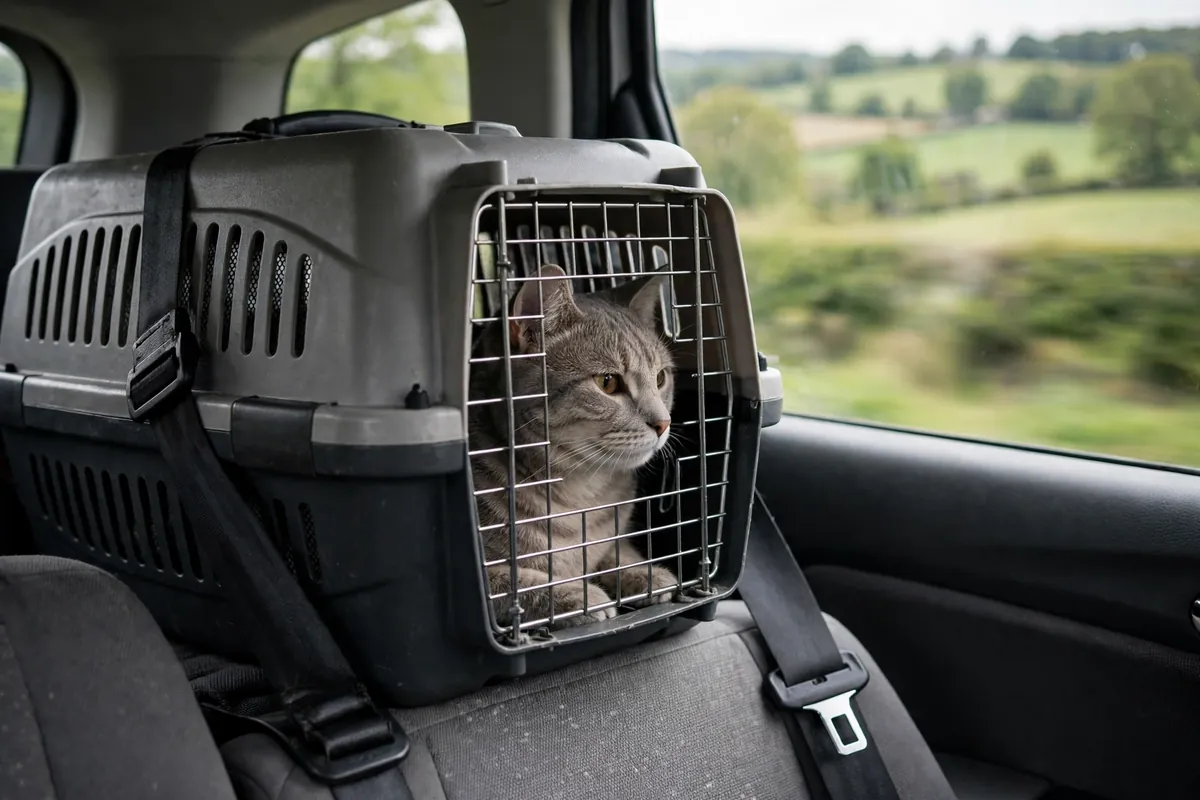
Two main styles suit most trips. Soft-sided carriers are light, flexible, and easy to carry, and many fit under an airplane seat. Hard-sided carriers are rigid, easy to clean, and very secure, which makes them a solid choice for car travel. Either style works well as long as it closes securely, lets air flow freely, and has an opening wide enough to lift your cat in and out without a struggle.
| Feature | Soft-sided carrier | Hard-sided carrier |
|---|---|---|
| Weight | Light and easy to carry | Heavier but very sturdy |
| Flexibility | Squeezes into tight spaces | Keeps its shape under pressure |
| Ventilation | Mesh panels on several sides | Vents and a barred or mesh door |
| Cleaning | Removable pad, wipe-clean shell | Hard surfaces wash easily |
| Best for | Flights and short trips | Car travel and longer stays |
Look for a carrier with a removable, washable pad or blanket and a secure zip or latch. Avoid carriers with flimsy zips or thin mesh that a determined cat could push through.
Getting Your Cat Comfortable With the Carrier
The biggest mistake owners make is bringing the carrier out only on travel day. To your cat, a carrier that appears from a closet means something unusual is about to happen. Instead, leave the carrier open in a room your cat uses every day, at least a week or two before the trip, with a familiar blanket inside.
Let curiosity do the work. Place a favorite toy just inside the door, then a little deeper over the next few days. Many cats will wander in on their own, sniff around, and eventually settle down for a nap. Never force your cat inside — that only teaches the cat to fear the carrier.
Once your cat walks in willingly, practice closing the door for a few seconds, then opening it again. Build up to a few minutes, then carry the closed carrier around the house for a short while. Short, calm sessions like these teach your cat that the carrier is a safe place.

Practice Rides: Building Up Slowly
Before a long journey, take a few short practice rides. Start with the engine running and the car parked, so your cat gets used to the sound and vibration. Next, take a drive around the block, then a slightly longer drive to somewhere quiet. Keep each step short and end on a calm note.
Some cats meow for the first few minutes of a ride and then settle. Others stay quiet the whole way. Both are normal. Talk to your cat in a calm, ordinary voice, and resist the urge to open the carrier while the car is moving — a loose cat in a moving car is unsafe for everyone.
What to Pack for Your Cat
Packing for a cat is mostly about bringing the familiar along. A blanket or bed that smells like home does more to calm a cat than any new gadget. Our guide to the best cat beds explains the styles and materials cats tend to favor, and a small, soft bed from home travels well in a carrier.
- The carrier, with a familiar blanket or pad inside
- A spare blanket or towel in case the first one gets dirty
- A collapsible water bowl and fresh water
- A small, portable litter tray with litter, plus bags for cleanup
- Your cat’s regular food, measured out for the trip
- A favorite toy — our guide to the best cat toys covers the types cats return to again and again
- Any grooming basics your cat is used to, such as a brush
- A collar with an identification tag showing your phone number
- Paper towels and cleaning wipes for quick messes
Keep the bag within easy reach rather than buried under luggage. On a road trip, stop every few hours in a safe place to offer water and check on your cat, and never leave your cat alone in a parked car. Temperatures inside a parked car can climb quickly, even on a mild day.

Car Trips: Keeping Your Cat Calm and Safe
Most cat travel in the United States happens by car, and most cats do best when the trip follows a simple routine. Feed your cat a light meal a few hours before departure rather than right before you leave, and keep the carrier in the same spot for the whole journey.
A few habits make car travel smoother:
- Keep the carrier closed and secured. The carrier is your cat’s seat belt and safe room in one.
- Keep the temperature steady. A comfortable cabin for you is usually comfortable for your cat.
- Keep windows closed. Fresh air is nice, but an open window is a risk and a source of loud noise.
- Keep the radio low. Gentle background sound is fine; loud music is not.
- Take calm breaks. On long drives, stop somewhere quiet, offer water, and let your cat rest.
If your cat meows steadily, check whether the carrier is too warm or has shifted. A calm voice often settles things.
Flying With Your Cat: What to Know
Flying adds a layer of planning, so start early. Airlines each have their own rules about traveling with a cat, including carrier size limits, fees, and whether a cat may travel in the cabin or must travel another way. Read the airline’s pet travel page carefully and confirm the details before you book, because rules vary and they do change.
Most cats that fly travel in the cabin, in a soft-sided carrier that fits under the seat in front of you. Check the airline’s size limits before choosing a carrier, and measure twice. Arrive at the airport with plenty of time so neither of you is rushed.
A direct flight is usually the kindest option when one is available, since it shortens the whole journey and avoids the stress of changing planes. Pack the same familiar items you would take on a road trip: a blanket that smells like home, a favorite toy, and water for after landing.
Staying Somewhere New: Pet-Friendly Places
Before you book, confirm that your stay welcomes cats — not just pets in general, since some places accept dogs only. Reading the details in advance avoids an awkward arrival.
When you first arrive, set up a small base camp for your cat before you unpack anything else. Place the carrier, the litter tray, water, and a familiar blanket in one quiet corner, and let your cat come out when it is ready. A room with a window view gives a curious cat something to watch, and many cats relax faster when they can look outside from a safe perch.
Keep the room calm for the first hour. Close the door, keep the television low, and avoid inviting visitors in right away. Cats explore new spaces on their own schedule: a quick sniff of the corners, a look under the bed, and then a return to the carrier for a nap is a perfectly good first hour.

On Arrival: Helping Your Cat Settle In
Once your cat has had time to look around, keep the routine as close to home as possible. Serve meals at the usual times, play at the usual times, and keep the carrier open as a retreat your cat can return to whenever it likes.
A few cats hide for a day after a trip, especially after a long drive or a flight. This is normal, and the best response is patience. Make sure food, water, and the litter tray are easy to reach, then give your cat space. Most cats emerge on their own once the house is quiet.
For a longer stay, a scratching post or a small climbing spot helps a cat feel at home. Our guide on how to choose the right cat tree explains what to look for in a perch that suits your cat’s size and habits, and even a compact tree can give a traveling cat a favorite spot in a new place.

Common Travel Mistakes to Avoid
A few common mistakes cause most travel trouble, and all of them are easy to avoid:
- Using the carrier for the first time on travel day. A cat that has never seen its carrier will see it as a trap.
- Letting the cat roam loose in the car. A loose cat can slip under pedals or bolt when a door opens.
- Skipping practice rides. Short practice runs turn a frightening first trip into a familiar routine.
- Packing unfamiliar food. Travel is not the time to try something new; stick with what your cat already eats.
- Forgetting identification. A collar with your phone number is a simple safeguard if your cat slips out in an unfamiliar place.
- Leaving the cat in a parked car. Even a short stop can become dangerous in warm weather.
- Overpacking the carrier. A blanket and one small toy are plenty; a crowded carrier is not comfortable.
Quick Travel Tips Worth Remembering
- Start carrier training at least two weeks before the trip.
- Keep every practice session short, calm, and positive.
- Bring items that smell like home: a blanket, a bed, a favorite toy.
- Secure the carrier in the car so it cannot slide or tip.
- Confirm pet rules with your airline and your stay before you book.
- Keep meals, play, and rest times close to your cat’s normal routine.
- Let your cat explore a new room at its own pace, and keep the carrier open as a safe retreat.
Related Reading on MyPetsMyLove
- Most popular cat breeds in the USA
- Best cat beds guide
- Best cat toys guide
- Cats & Kittens hub page
- MyPetsMyLove homepage
- About Us page
References
- The Humane Society of the United States — traveling with pets guidance
- The Cat Fanciers’ Association (CFA) — cat care resources
- The International Cat Association (TICA) — cat care resources
- Encyclopaedia Britannica — domestic cat reference
Frequently Asked Questions
How do I prepare my cat for travel?
Start at least two weeks ahead. Leave the carrier open at home with a familiar blanket inside, let your cat explore it freely, and take a few short practice rides before the real trip. Keep every session short and calm.
Can my cat travel in the car without a carrier?
No. A carrier keeps your cat safe and prevents it from slipping under pedals or bolting when a door opens. Secure the carrier on the back seat with a seat belt or place it where it cannot slide.
What should I pack when traveling with my cat?
Pack the carrier with a familiar blanket, a spare towel, a collapsible water bowl, fresh water, a portable litter tray, your cat’s regular food, a favorite toy, and a collar with an identification tag.
How long can a cat travel in a car?
Most cats manage a few hours in a carrier with regular stops for water and a check-in. On longer drives, stop every few hours in a safe place, offer water, and never leave your cat alone in a parked car.
Can cats fly on airplanes?
Yes, many airlines allow cats to travel in the cabin in a soft-sided carrier that fits under the seat. Rules, size limits, and fees vary by airline, so read the airline’s pet travel page and confirm the details before you book.
How do I keep my cat calm during travel?
Use a carrier your cat already knows, keep the car at a comfortable temperature, keep the radio low, and bring familiar items such as a blanket and a favorite toy. A calm voice and a steady routine help more than anything else.
What should I do when I arrive at a pet-friendly hotel?
Set up a small base camp first: carrier, litter tray, water, and a familiar blanket in a quiet corner. Let your cat come out when it is ready, keep the room calm for the first hour, and keep meals and playtimes close to your cat’s normal routine.
Conclusion
Traveling with a cat is mostly a matter of preparation. A carrier your cat already trusts, a few practice rides, a bag packed with familiar things, and a calm routine on the road will carry you through most trips without drama. Your cat may never love travel, but with patience it can learn to tolerate it.
If you are still choosing the right companion for a life that includes travel, explore the most popular cat breeds in the USA, meet the gentle Birman cat and the calm Persian cat, and browse the Cats & Kittens section for more guides worth reading before your next trip.
Disclaimer
Disclaimer
MyPetsMyLove dot com is an independent informational website covering pet species breeds characteristics activities positive training bonding grooming and responsible ownership
We are not a veterinary clinic medical provider pet food provider or veterinary nutrition service
We do not provide veterinary diagnosis medical advice treatment food recommendations or nutritional guidance
For pet health medical or food related concerns consult a qualified veterinarian or appropriate professional directly
Independent clinics listed on this website are not owned or operated by MyPetsMyLove unless explicitly stated
Verify third party credentials services fees and availability independently
We do not guarantee third party services or outcomes
To the extent permitted by applicable law we disclaim responsibility for independent third party services
Nothing in this notice excludes liability that cannot legally be excluded
The disclaimer does not make prohibited content acceptable





2 Comments