
Best Pet Carriers & Travel Gear: A Complete Guide for Happy Trips
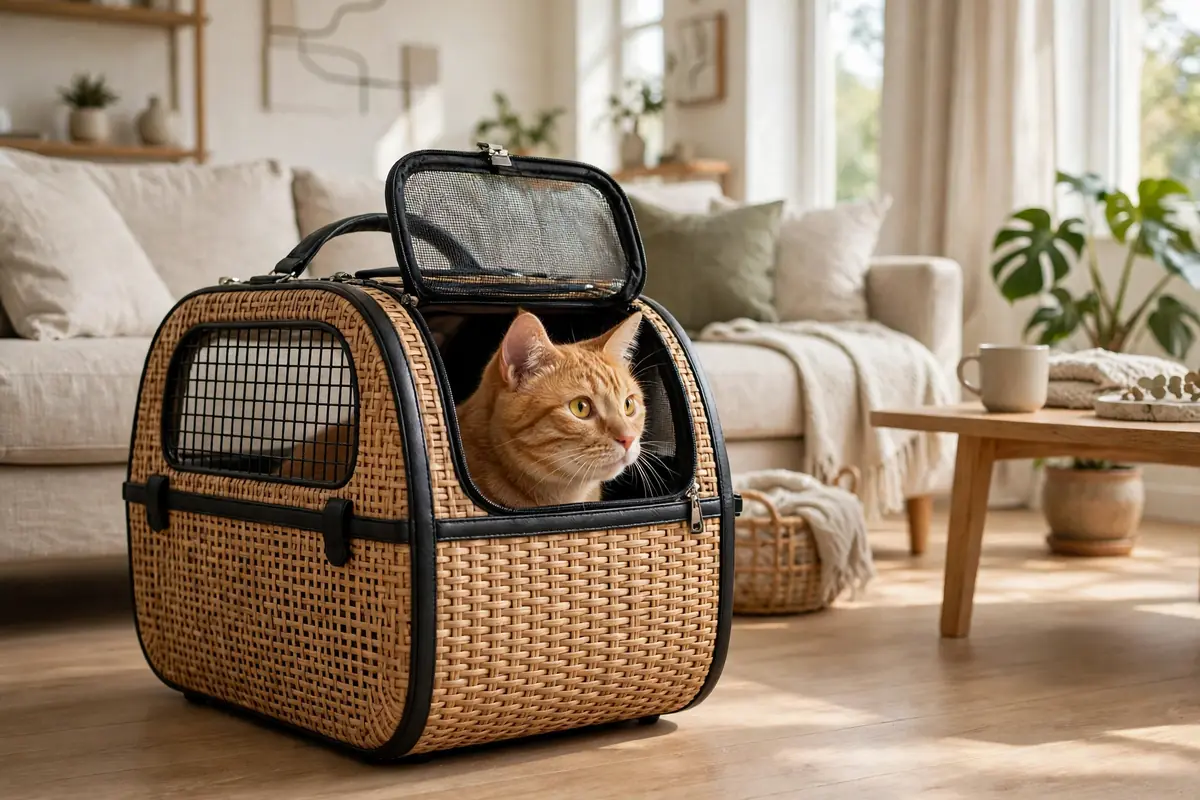
Picture this: you are standing by the front door, keys in hand, and your cat has vanished under the bed — or your small dog is trembling at the sight of the car. The difference between a stressful trip and a smooth one often comes down to one piece of gear — the pet carrier. The right carrier turns travel from a wrestling match into a calm routine, giving your pet a familiar, cozy den wherever you go. With soft-sided carriers, hard-sided crates, and backpacks to choose from, how do you pick? This guide compares every style and the travel gear that completes the kit — so your next trip starts relaxed.
Why the Right Pet Carrier Matters
A pet carrier is far more than a box with a handle. For cats and small dogs, it is a safe retreat in unfamiliar places: the car, the waiting room, the airport, or a friend’s house. A carrier your pet recognizes can lower stress on travel days because it smells familiar and feels enclosed, much like a den. That is why the best carriers are the ones pets will happily walk into at home.
The right carrier also keeps everyone safer. A loose pet in a car can distract the driver, and a frightened cat in a strange place can bolt in seconds. Secure zippers, sturdy latches, and good airflow protect your pet and give you peace of mind, and vet visits and moves go more smoothly when the carrier is part of the routine. Our guide to travelling with your cat covers the wider picture of trips with feline companions.
Soft-Sided Pet Carriers
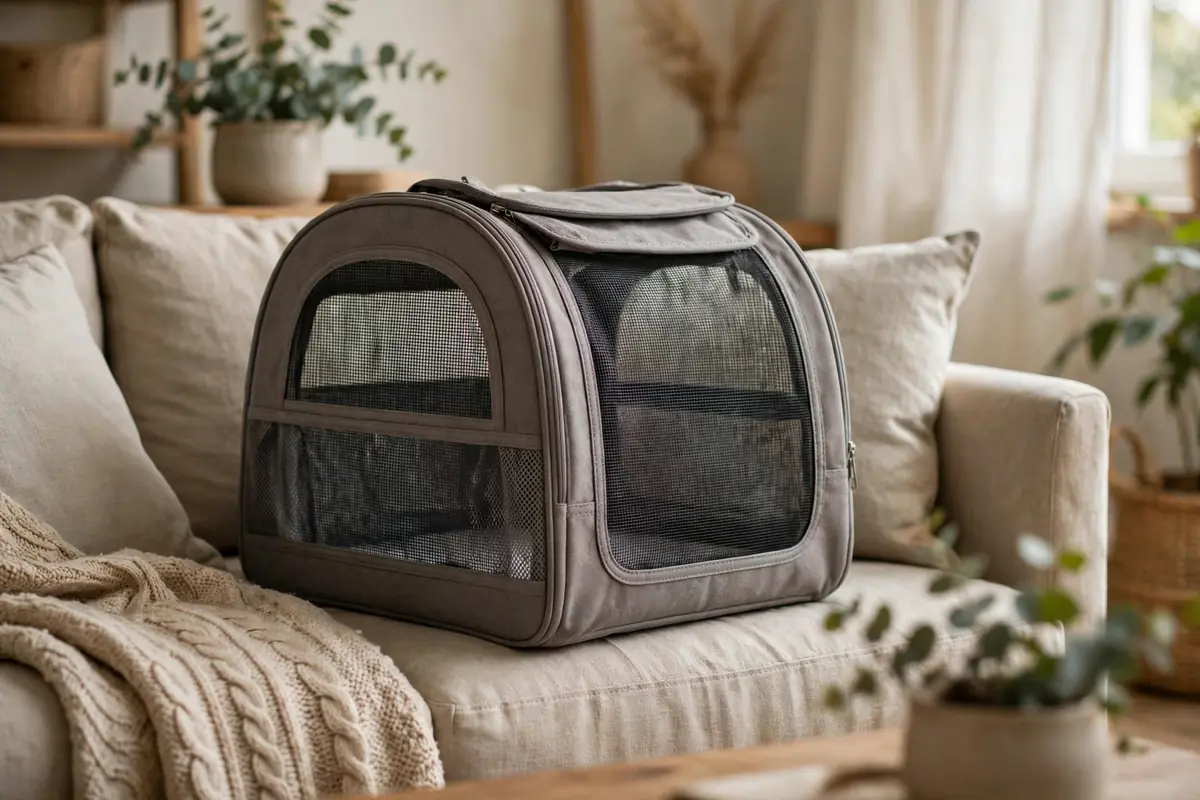
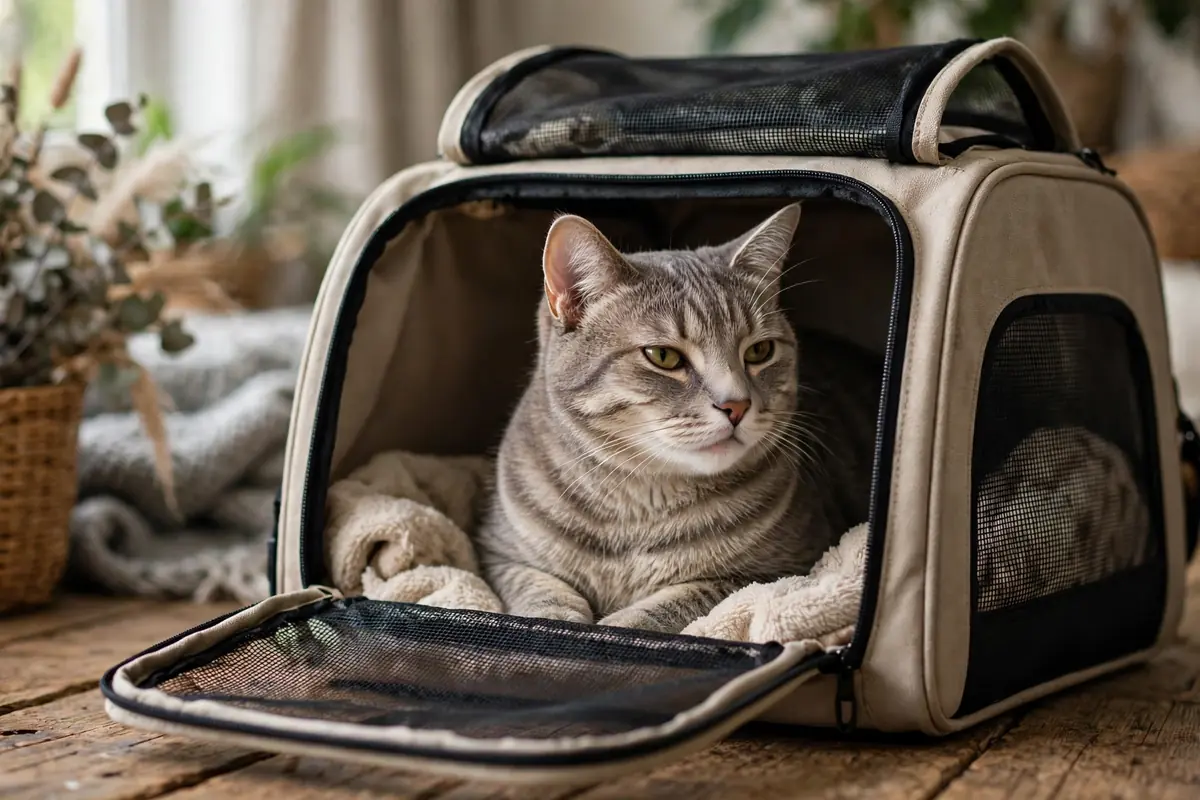
Soft-sided pet carriers are the most popular choice for cats and small dogs, and it is easy to see why. They are light and easy to carry, with padded straps and handles. The flexible sides squeeze into tight spaces — under an airplane seat or between car seats — which is a real advantage on busy travel days.
Most soft-sided carriers use mesh panels on several sides. These windows give your pet fresh air and a view of the world, which many cats and dogs find reassuring, and they let you peek in without opening the carrier. Look for sturdy mesh, strong zippers, a washable base pad, and a safety clip that attaches to a harness. The trade-off is structure: a soft carrier can sag under a heavy pet and offers less protection than a rigid shell. For cats and small dogs, though, it is usually the most practical everyday choice.
Hard-Sided Pet Carriers
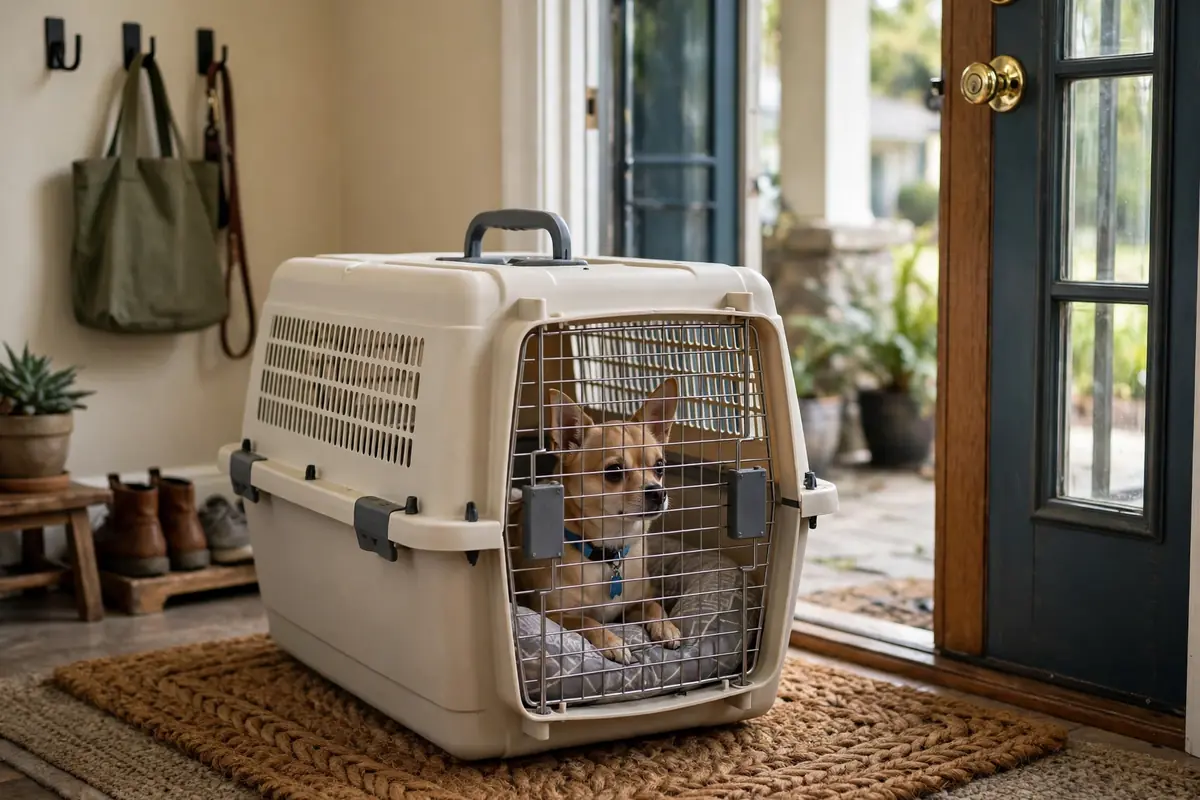
Hard-sided pet carriers are built from rigid plastic with a metal or plastic door, and they are the workhorses of the carrier world. Their biggest strength is protection: the solid shell shields your pet from bumps, keeps its shape, and stands up to years of use. They are also simple to clean, since most split into two halves for washing.
Ventilation comes from slots in the sides and door, and many models also open from the top, which makes it easier to settle a reluctant cat inside. The downsides are weight and bulk: a hard-sided carrier is heavier to carry and will not flex to fit a tight space. For car travel and larger or stronger pets, however, it is often the most reliable option. Check that the latches feel solid and the handle is comfortable, because a heavy carrier with a poor handle is tiring to carry.
Pet Carrier Backpacks
Pet carrier backpacks turn your pet into a hands-free travel companion. Worn on your back like a regular backpack, they leave your hands free for luggage, doors, or a leash, and they are a favorite for walks, hikes, and city outings. Many include a clear bubble window or mesh dome so your pet can look out.
Comfort matters on both sides: for your pet, look for a roomy interior, good ventilation, and a soft, padded base. For you, look for padded shoulder straps, a chest strap, and a waist strap that spread the weight evenly — a carrier hanging from one thin strap feels twice as heavy after ten minutes. Backpack carriers suit cats and small dogs best on short outings, giving an indoor cat a safe taste of the outdoors. Pair one with a harness and leash — our leash training guide explains how to help a cat feel comfortable on a leash first.

How to Choose the Right Size
Size is the most important decision in buying a pet carrier, so measure your pet rather than guessing: too small leaves your pet cramped and stressed, while far too big lets them slide around on every turn. The goal is a snug den: room to stand up, turn around, and lie down, with a little space for a small blanket.
Measure your pet standing up from nose to the base of the tail for length, and from the floor to the top of the ears for height. Add a few inches to each number, then compare with the carrier’s interior dimensions — not the outside measurements, which include the frame and padding. If your pet is still growing, choose a size that fits now with room to grow.
| Pet size | Typical carrier length | Best for |
|---|---|---|
| Small cat or toy dog | Up to 16 inches | Short trips and cabin travel |
| Average cat or small dog | 17–19 inches | Everyday use and car trips |
| Large cat or medium dog | 20 inches and up | Car travel and longer stays |
Weight limits matter as much as dimensions. Staying within the listed maximum keeps the zippers, straps, and base in good shape. If your pet is close to the limit, size up or choose a hard-sided model.
Comfort Features Worth Looking For
Once the size is right, the small details make the difference between a carrier your pet tolerates and one they genuinely like. A removable, washable pad is near the top of the list: a soft surface to lie on that can be cleaned after a messy trip. A familiar-smelling blanket from home can make a new carrier feel like an old friend — and for a cozy resting spot at home, our guide to the best cat beds has plenty of ideas.
Ventilation should come from more than one side, so air keeps moving on a warm day, and some cats settle faster when a light cover is draped over part of the carrier. Also check for multiple entry points, secure zippers, an interior safety tether that clips to a harness, exterior pockets, and an adjustable shoulder strap. None of these is essential alone, but together they turn a basic box into a well-thought-out travel companion.
Travel Gear That Goes With the Carrier
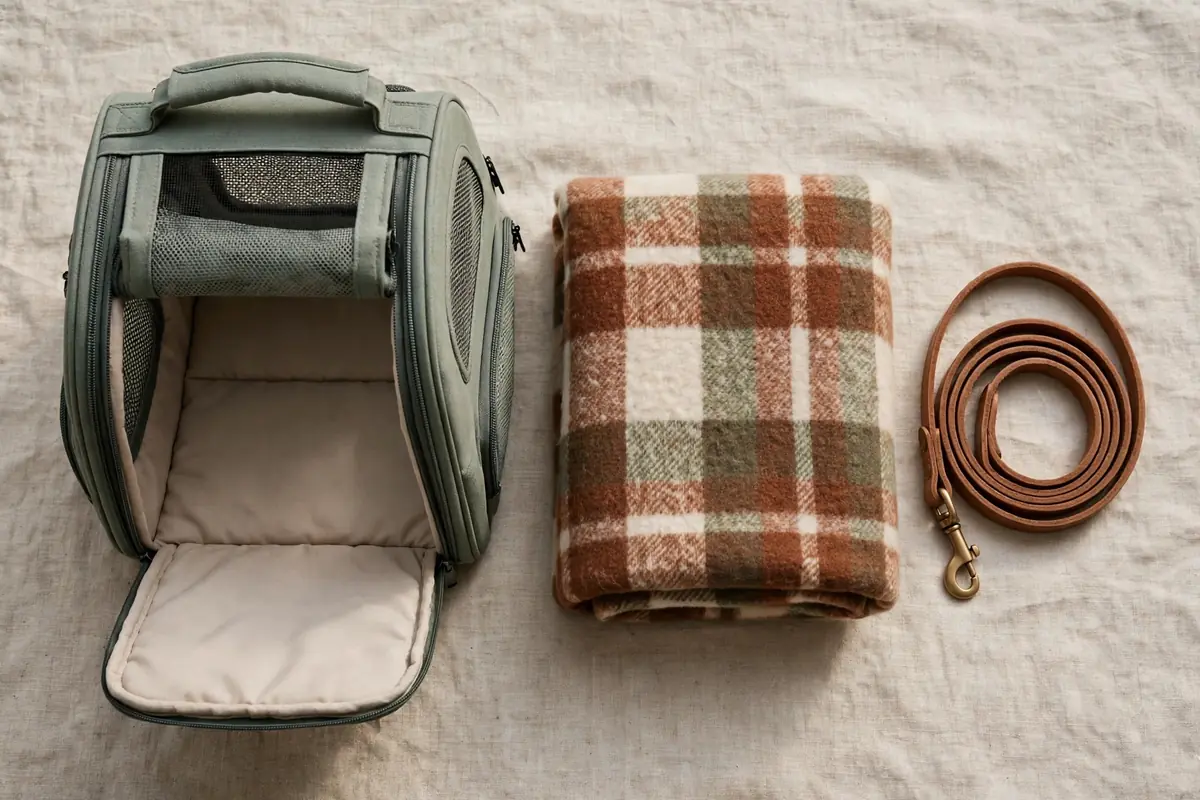
A carrier is the centerpiece of a travel kit, but a few extras make trips smoother. A portable water bowl that folds flat is handy for car rides and long waits, and a few wipes and a spare pad cover accidents. Keep travel documents in the carrier’s outside pocket so they are always within reach.
A familiar toy can calm a nervous traveler. A small, quiet toy from home, like one of the best cat toys your cat already loves, gives your pet something comforting to focus on inside the carrier. Skip anything noisy or large, since space is limited and the goal is calm, not excitement.
For longer journeys, a lightweight blanket that smells like home is one of the most useful items you can bring — drape it over the carrier for privacy or lay it inside for comfort. Keeping the whole kit packed and ready by the door means you can leave on time instead of hunting for supplies while your pet waits.
Helping Your Pet Feel at Home in the Carrier
The secret to stress-free travel is simple: make the carrier a familiar part of home long before travel day. Leave it out in a room your pet uses every day, with the door open and a soft blanket inside. Let your pet sniff it, sit in it, and nap in it without any pressure. A favorite toy placed just inside the door, then a little deeper each day, turns the carrier into a place worth visiting.
Short practice sessions build confidence. Once your pet walks in willingly, close the door for a minute, then open it again and offer praise. Gradually extend the time, then try a short walk around the house and a brief car ride. Patience is the key — forcing a frightened pet inside creates a memory that is hard to undo, while slow, gentle practice builds trust.
This matters even more after a big change, such as moving house. Our guide on how to help a cat adjust to a new home shares the same slow-and-steady approach, and it applies just as well to carrier training. If your pet is new to your home, our list of 10 things to know before getting a pet covers the early days of life together.
Carrier Care and Storage
A carrier that is looked after will last for years. After each trip, remove the pad and blanket and wipe the inside. Most soft-sided carriers have pads that can be machine washed, while hard-sided models can be wiped with warm water and a mild cleaner, then left open to air dry. A clean carrier smells neutral, which helps a nervous pet settle in faster.
Store the carrier where your pet can see it, rather than buried in a closet. A carrier that lives in the living room becomes familiar furniture, not a scary object that only appears on trip days. If space is tight, choose a model that folds flat and slides under a bed — and if your cat loves high places, our comparison of cat trees vs cat towers can help you pick a perch they will actually use. Before every trip, test the zippers, tug the straps, and check the door latches close firmly.
Interesting Facts About Pet Carriers
- Airline cabins have size limits: Most airlines that allow pets in the cabin set strict carrier dimensions, so always measure before booking a flight.
- Cats prefer familiar smells: A blanket from home inside the carrier can calm a cat far more than a brand-new pad.
- Top-loading carriers exist: Many carriers open from the top, which makes it much easier to settle a cat inside gently.
- Mesh windows are not just for looks: Good ventilation on several sides keeps air moving and helps pets feel less closed in.
- A carrier doubles as a safe space: Many pets choose to nap in an open carrier at home, treating it as their own private den.
Pet carriers and travel gear are small purchases with an outsized effect on your pet’s happiness. Choose the style that fits your trips, measure carefully, and let your pet get to know the carrier at home first. Do that, and the carrier stops being a box you dread bringing out — it becomes your pet’s favorite little room.
Related Reading on MyPetsMyLove
- Travelling with your cat guide
- Best cat beds guide
- How to help a cat adjust to a new home
- Pets Products hub page
- MyPetsMyLove homepage
- About Us page
References
- The Humane Society of the United States — pet care and travel resources
- American Kennel Club (AKC) — pet travel and carrier guidance
- Cat Fanciers’ Association (CFA) — cat care resources
- Encyclopaedia Britannica — pet and animal reference
Frequently Asked Questions
What size pet carrier do I need for my cat?
Measure your cat standing up, from nose to the base of the tail for length and from the floor to the top of the ears for height, then add a few inches to each number. The carrier should let your cat stand up, turn around, and lie down comfortably, with a little extra room for a small blanket.
Are soft-sided or hard-sided pet carriers better?
It depends on how you travel. Soft-sided carriers are lighter, flexible, and fit more easily into tight spaces such as under an airplane seat. Hard-sided carriers offer stronger protection, hold their shape, and are easier to clean, which makes them a great choice for car travel and larger pets.
Can I take a pet carrier on a plane?
Many airlines allow small pets to travel in the cabin in a carrier that fits under the seat in front of you, but each airline sets its own size and weight limits. Always check your airline’s pet policy and measure your carrier before booking, and confirm the rules again close to your travel date.
How do I get my cat used to a carrier?
Leave the carrier open in a room your cat uses every day, with a soft blanket inside. Place a favorite toy just inside the door, then a little deeper over several days, so your cat learns the carrier is a safe, inviting place. Once your cat walks in willingly, practice closing the door briefly, then try short walks and brief car rides.
Are pet carrier backpacks comfortable for cats?
Yes, for most cats they are comfortable on short outings, as long as the backpack has good ventilation on several sides, a soft padded base, and enough room for the cat to sit or lie down. Look for padded shoulder straps and a chest strap so the weight is spread evenly on your side too.
How often should I clean a pet carrier?
Wipe or wash the carrier after every trip, and wash the removable pad and blanket regularly. A clean carrier smells neutral, which helps a nervous pet settle in faster, and it keeps the zippers, straps, and latches in good working order.
What should I pack in a pet travel kit?
Pack a portable water bowl, wipes, a spare pad or towel, a familiar toy, a lightweight blanket that smells like home, and any travel documents in the carrier’s outside pocket. Keeping the kit packed and ready by the door makes leaving on time much easier.
Conclusion
The right pet carrier turns travel from a stressful chore into a shared adventure. Soft-sided, hard-sided, or backpack — each style has its strengths, and the best choice is the one that fits your pet’s size, your travel plans, and the way you both like to move through the world. Measure carefully, look for comfort features, pack a small travel kit, and give your pet time to fall in love with the carrier at home.
Explore more travel advice in our travelling with your cat guide, find a cozy resting spot in our best cat beds guide, and browse the full range of ideas in the Pets Products section — then start from the MyPetsMyLove homepage to meet more pets worth knowing.
Disclaimer
Disclaimer
MyPetsMyLove dot com is an independent informational website covering pet species breeds characteristics activities positive training bonding grooming and responsible ownership
We are not a veterinary clinic medical provider pet food provider or veterinary nutrition service
We do not provide veterinary diagnosis medical advice treatment food recommendations or nutritional guidance
For pet health medical or food related concerns consult a qualified veterinarian or appropriate professional directly
Independent clinics listed on this website are not owned or operated by MyPetsMyLove unless explicitly stated
Verify third party credentials services fees and availability independently
We do not guarantee third party services or outcomes
To the extent permitted by applicable law we disclaim responsibility for independent third party services
Nothing in this notice excludes liability that cannot legally be excluded
The disclaimer does not make prohibited content acceptable






2 Comments