
How to Choose the Right Cat Tree for Your Home
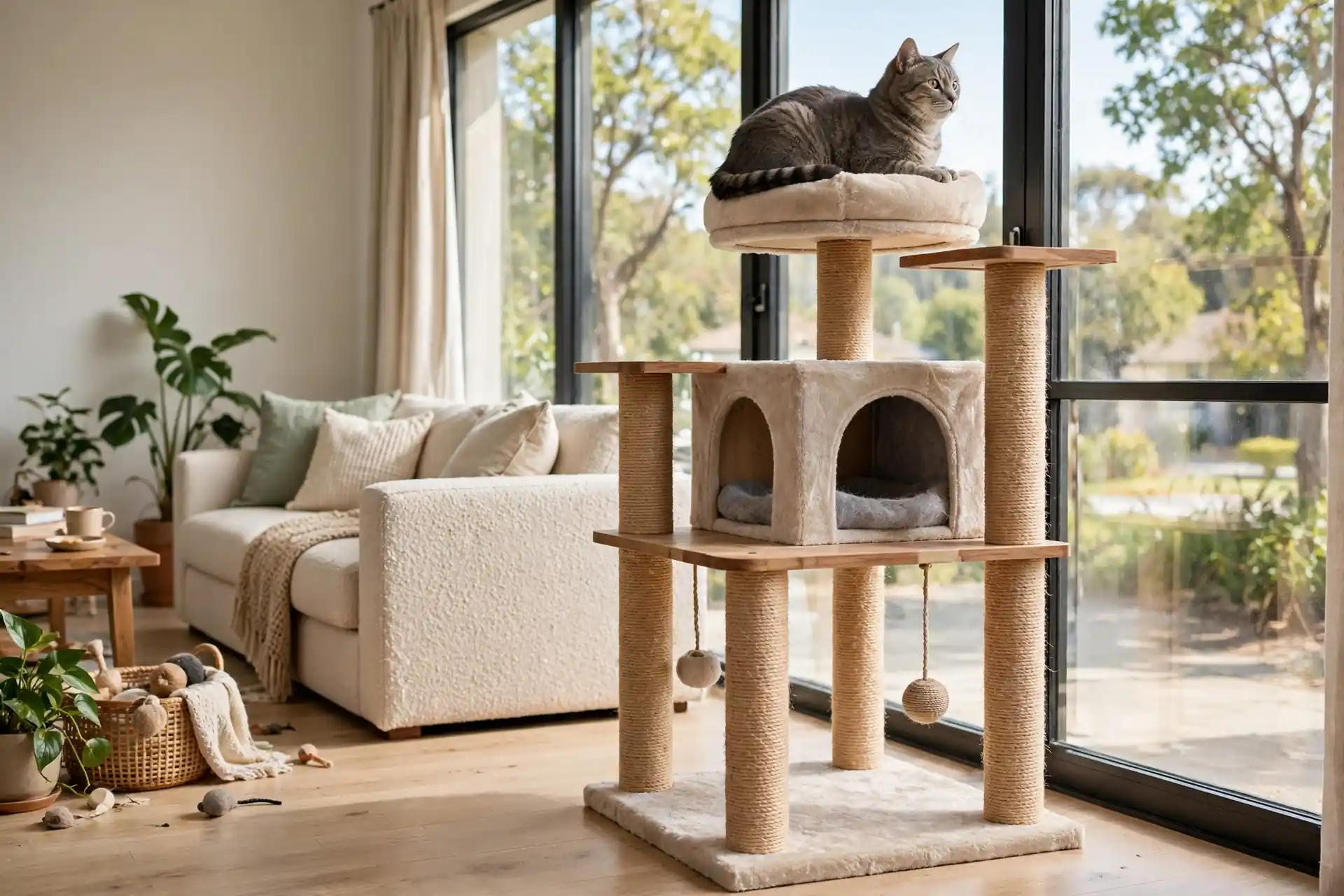
A cat tree can be the best-loved piece of furniture in your home — or an expensive ornament your cat walks past every day. The difference rarely comes down to luck. Cats choose trees that feel steady under their paws, sit in the right place, and offer the kind of perches, posts, and hideaways that match how they already like to spend their time. Learning how to choose a cat tree means learning to see the purchase through your cat’s eyes: how tall, how stable, how scratchable, and how comfortable. This step-by-step guide walks through every decision, from measuring your space to the final safety checks, so the tree you bring home is the one your cat actually uses.
Start by Measuring Your Space
Before looking at a single design, measure the spot where the tree will live. Note the width and depth of the floor area, the height from floor to ceiling, and how close the spot sits to doors, walkways, and furniture your cat already jumps on. A tree that is even a few inches too wide can block a doorway or crowd a room, and one that is too tall for the ceiling leaves you with a level your cat can never use.
Think about the footprint as well as the height. Cat trees spread their weight over a base, and the base is what decides how much floor the tree really takes. In a small apartment, a compact footprint with more height makes better use of the space than a wide, low design. In a large room, a broader tree with several platforms can become a genuine activity center.
Also decide what the tree will stand near. A position beside a window is the classic choice, because cats love a high view of the street and garden. A quiet corner is the other strong option: it gives the tree support on two sides and gives the cat a sheltered feeling. Avoid spots next to loud appliances or in the middle of a busy walkway, where the cat will be disturbed every time it settles.
If you are still deciding between styles, our companion guide to cat trees vs cat towers explains how the two designs differ before you measure anything.

Height and Number of Levels
Height is the feature cats care about most. Cats are climbers by nature, and a high perch is a vantage point, a safe retreat, and a warm sleeping spot all at once. As a simple guide, a tree under one meter suits a single cat in a small room, a tree of one to one and a half meters suits most homes, and taller trees suit keen climbers and multi-cat households.
The number of levels matters as much as the total height. Levels are the stepping stones of the climb: platforms spaced so the cat can hop comfortably from one to the next, rather than facing one large jump. Two or three well-spaced levels get more use than five cramped ones. Check the spacing between platforms as carefully as the overall height, especially for kittens and older cats, who need shorter, easier hops.
Floor-to-ceiling designs are the tallest option. They brace against the ceiling with a spring-loaded or fixed top pole, which gives them height without a huge base. They suit confident climbers and small rooms, but they need a solid ceiling and careful fitting to stay firm.
Stability and Base Size
Stability is the one feature you cannot compromise on. A cat launching itself onto the top perch puts real force into the structure, and a tree that rocks or tips even once can put a cat off climbing furniture for good. The single best predictor of stability is the base: look for a base that is wide, thick, and heavy, extending close to the width of the widest platform above it.
Test stability the way a cat will. In a store, push the top of the tree gently from the side and watch whether the base lifts. Online, read the listed base dimensions and the total weight of the piece: heavier usually means steadier. Thick posts, firmly fixed with no wobble at the joints, are the other sign of a solid build.
Placement adds stability too. A tree standing in a corner gains support from two walls, and many taller designs include a wall strap or bracket that anchors the top to the wall. If the design offers an anchor, use it — it makes a tall tree feel rock solid even when two cats land on the top level at once.

Materials: Sisal Posts, Carpet, and Wood Finishes
Materials decide how the tree feels to your cat and how long it lasts. Start with the scratching posts, because scratching is the activity a tree must support every day. Sisal rope is the standard and the best choice: a tough natural fiber wrapped tightly around the post, firm enough for a full stretch-and-scratch. Look for posts wrapped from top to bottom, not a short band of sisal in the middle, so your cat can scratch at natural height with its body fully extended.
The frame and platforms come in two main finishes. Carpet-covered trees give excellent grip for climbing and a familiar texture many cats enjoy, though carpet can hold dust and is harder to clean deeply. Wood and plywood finishes look cleaner in a modern room, wipe down easily, and pair well with removable cushions on the sleeping surfaces, though bare wood offers less grip, so good designs add carpet or sisal pads on the climbing routes.
Solid wood frames are the heaviest and steadiest option, while manufactured board frames are lighter and easier to move. Either can work well — what matters is that the joints are tight, the platforms do not flex when pressed, and the covering is fixed smoothly with no loose edges a claw can lift.

Perch Size, Especially for Large Cats
The top perch is where your cat will spend the most time, so size it honestly. A good perch lets the cat lie completely flat, turn around, and curl up without hanging over the edge. Measure your cat while it is stretched out asleep, and choose a perch at least that wide. A raised rim around the perch adds security, giving the cat something to lean against and a sense of being held in place.
Large and long-bodied cats are the ones most often let down by standard designs. A perch that suits a small cat can leave a big cat balancing with its legs tucked and its tail hanging off, and many will simply stop using it. If your cat is large, prioritize the perch diameter and the thickness of the top platform over extra levels — one generous, comfortable lookout beats three small ones.
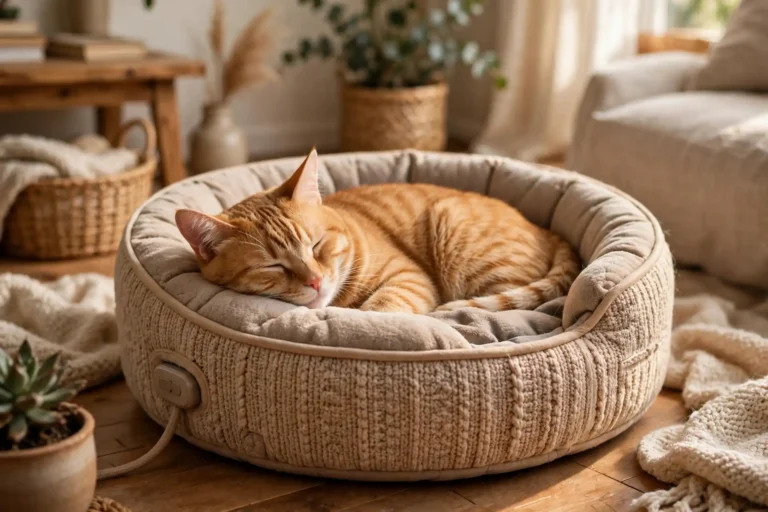
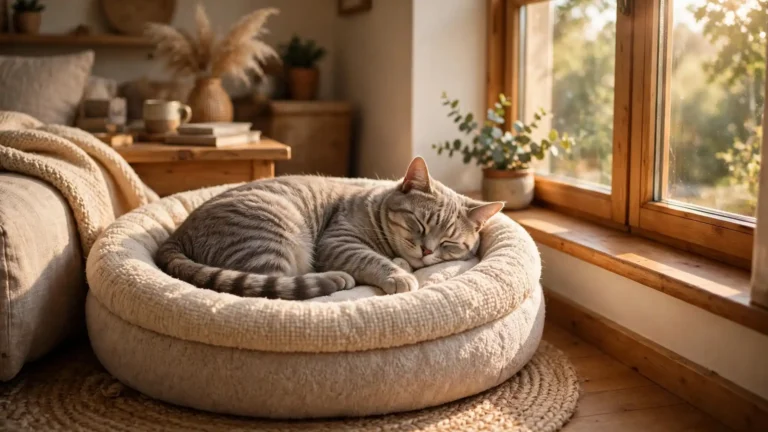
For sleeping comfort beyond the tree itself, our guide to the best cat beds covers cushions and beds that pair well with a favorite perch or condo.

Hideaways, Condos, and Ramps
Beyond perches and posts, the extra features decide how versatile the tree is. A hideaway or condo — an enclosed box with one or two entrances — gives a shy cat a private sleeping place and gives every cat somewhere to retreat when the home is busy. Check that the condo is roomy enough for your cat to curl up and stretch, and that the entrance is wide enough to enter without squeezing. Condos with two openings are popular because the cat never feels cornered inside.
Ramps and steps are the features that open a tree up to every age. Kittens cannot manage big jumps, and older cats often prefer to walk up a gentle slope rather than leap between platforms. A carpeted or sisal-covered ramp gives grip on the way up and down, and step-style platforms at closer intervals achieve the same result. If you have a kitten or a senior cat, treat easy climbing routes as a requirement, not an extra.
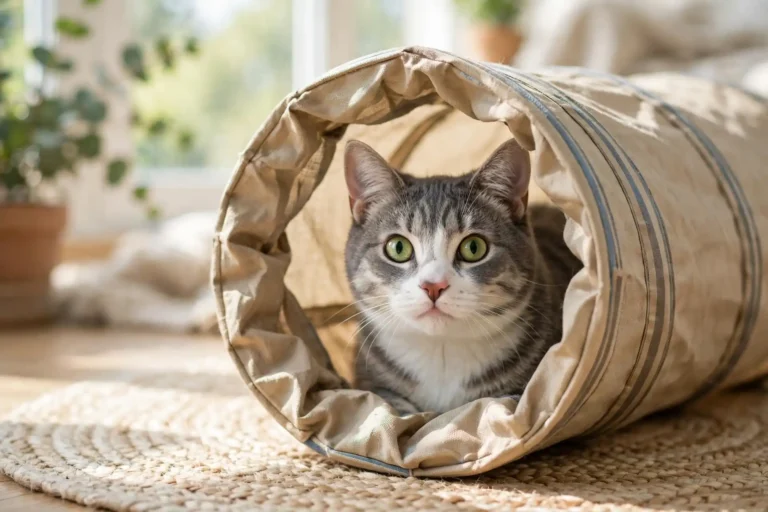
Dangling toys, tunnels, and hammocks add play value. A toy on a string at platform height turns the tree into a small playground, and choosing replaceable toys keeps it interesting — our guide to the best cat toys covers the types cats enjoy most. A hammock slung between posts is a favorite resting spot for cats that like to sprawl.
One Cat or Many: Matching the Tree to Your Household
A single cat needs one good perch, one condo or resting platform, and at least one full-length scratching post. A household with two or more cats needs more of everything, and — just as important — it needs duplicates in different places. Two cats sharing one tree will both want the top perch, so a multi-cat design should offer two high resting spots of similar quality, plus separate condos or platforms where each cat can be alone.
Size the whole tree up for multiple cats as well. More cats means more combined weight landing on platforms at the same time, so look for thicker posts, a heavier base, and platforms wide enough for a cat to pass another on the way up. Wider level spacing also prevents traffic jams on the climbing route.
Watch how your cats already share space before you buy. Cats that curl up together may happily share one large perch, while cats that keep their distance need clearly separate zones on the tree. Matching the layout to the relationship saves arguments later.

Placement: Windows, Corners, and Quiet Spots
Where the tree stands decides how much it gets used. The strongest position in most homes is beside a window: the cat gains a high lookout over the garden or street, warm sunlight for afternoon naps, and constant quiet entertainment. If the window spot is taken, a corner of the family’s main living room is the next best choice for a social cat, while a quiet spare room suits a shy one.
Keep the tree away from loud appliances, busy doorways, and anywhere the cat will be startled while sleeping. Many cats inspect a new tree cautiously and claim it gradually, starting with the lower levels before trying the top perch.
Final Safety Checks Before Your Cat Climbs
Before the first climb, run through a short safety check. Push the tree from several sides to confirm it does not rock. Run a hand over every surface to find exposed staples, sharp edges, or loose fabric, and check underneath platforms where fixings are often hidden. Tighten every bolt and screw, confirm dangling toys are firmly attached, and make sure small parts cannot come loose.
Repeat the check every few months. Sisal rope frays with daily use and can be re-wrapped or replaced when it loosens, carpet wears thin on the busiest climbing routes, and bolts slowly work loose on any tall structure. A few minutes of maintenance keeps the tree steady, clean, and inviting for years.
| Checklist item | What to look for |
|---|---|
| Space | Measured width, depth, and ceiling height |
| Height | Levels spaced for easy hops, top perch at a good lookout height |
| Stability | Wide, heavy base, thick posts, no wobble, wall anchor for tall trees |
| Scratching | Full-length sisal posts, tightly wrapped |
| Perches | Wide enough to lie flat, raised rim, sized for large cats |
| Extras | Roomy condo, ramp or steps for kittens and seniors |
| Household fit | Duplicate perches and condos for multi-cat homes |
Work through the list in order and you will know how to choose a cat tree with confidence: measured for your space, steady under a leaping cat, covered in materials that invite scratching and climbing, and fitted out with perches and hideaways matched to the cats who will use it every day.
Related Reading on MyPetsMyLove
- Cat trees vs cat towers
- Best cat beds guide
- Best cat toys guide
- Pet Products hub page
- MyPetsMyLove homepage
- About Us page
References
- The Humane Society of the United States — pet care and enrichment resources
- Encyclopaedia Britannica — cat behaviour and enrichment reference
Frequently Asked Questions
How tall should a cat tree be?
It depends on your cat and your room. A tree under one meter suits a single cat in a small space, one to one and a half meters suits most homes, and taller or floor-to-ceiling designs suit keen climbers and multi-cat households. Measure the ceiling height before choosing.
How do I know if a cat tree is stable enough?
Look for a wide, thick, heavy base, thick posts, and no wobble when you push the top gently from the side. Placing the tree in a corner adds support, and tall designs should be fixed to the wall with the strap or bracket supplied.
What is the best material for a cat tree?
Sisal rope is the best scratching surface because it is tough, tightly wrapped, and firm enough for a full stretch. For the frame, solid wood is the heaviest and steadiest, while carpet finishes give grip and wood finishes are easier to wipe clean.
What size perch does a large cat need?
The perch should be wide enough for the cat to lie completely flat and turn around without hanging over the edge. Measure your cat stretched out asleep and choose a perch at least that wide, ideally with a raised rim and a thick, sturdy platform.
Does my cat tree need a ramp?
A ramp helps kittens, who cannot manage big jumps, and older cats, who often prefer a gentle slope. If your cat is young or senior, choose a design with a carpeted ramp or closely spaced step-style platforms so every level is easy to reach.
Where is the best place to put a cat tree?
Beside a window is the favorite spot for most cats, because the top perch becomes a lookout with sunlight and a view. A quiet corner also works well and adds stability. Avoid busy walkways and spots next to loud appliances.
What does a multi-cat household need in a cat tree?
Duplicates. Two cats need two high resting spots of similar quality, separate condos or platforms for time alone, thicker posts, and a heavier base to handle combined weight. Match the layout to how your cats share space: together, or apart.
Conclusion
Choosing the right cat tree comes down to a handful of decisions made in the right order: measure the space, pick a height your cat can climb in easy hops, insist on a wide and heavy base, choose full-length sisal posts and finishes your cat will enjoy, and size the perches and condos for the cats in your home. Add a window-side position and a five-minute safety check, and the tree will earn its place in your cat’s daily routine.
If you are still weighing up styles, read our companion guide to cat trees vs cat towers, browse the Pets Products section for more buying guides, and start from the MyPetsMyLove homepage to discover more ways to make your cat comfortable at home.
Disclaimer
Disclaimer
MyPetsMyLove dot com is an independent informational website covering pet species breeds characteristics activities positive training bonding grooming and responsible ownership
We are not a veterinary clinic medical provider pet food provider or veterinary nutrition service
We do not provide veterinary diagnosis medical advice treatment food recommendations or nutritional guidance
For pet health medical or food related concerns consult a qualified veterinarian or appropriate professional directly
Independent clinics listed on this website are not owned or operated by MyPetsMyLove unless explicitly stated
Verify third party credentials services fees and availability independently
We do not guarantee third party services or outcomes
To the extent permitted by applicable law we disclaim responsibility for independent third party services
Nothing in this notice excludes liability that cannot legally be excluded
The disclaimer does not make prohibited content acceptable



One Comment