
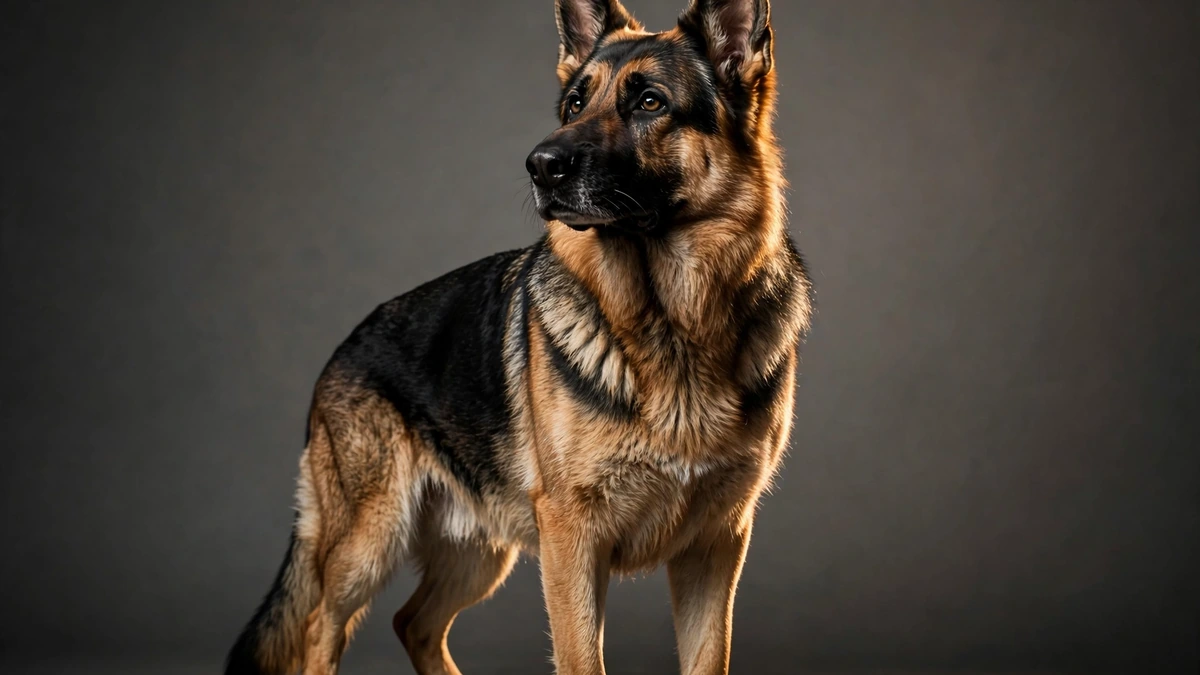
German Shepherd: Origin, Intelligence and Distinctive Features
Few dog breeds command respect like the German Shepherd. Athletic, intelligent, and fiercely loyal, it serves in police units, service work, and search-and-rescue teams — and is a devoted companion to millions of families. The American Kennel Club (AKC) has long ranked the German Shepherd among the most popular breeds in the United States, a testament to its unmatched versatility.
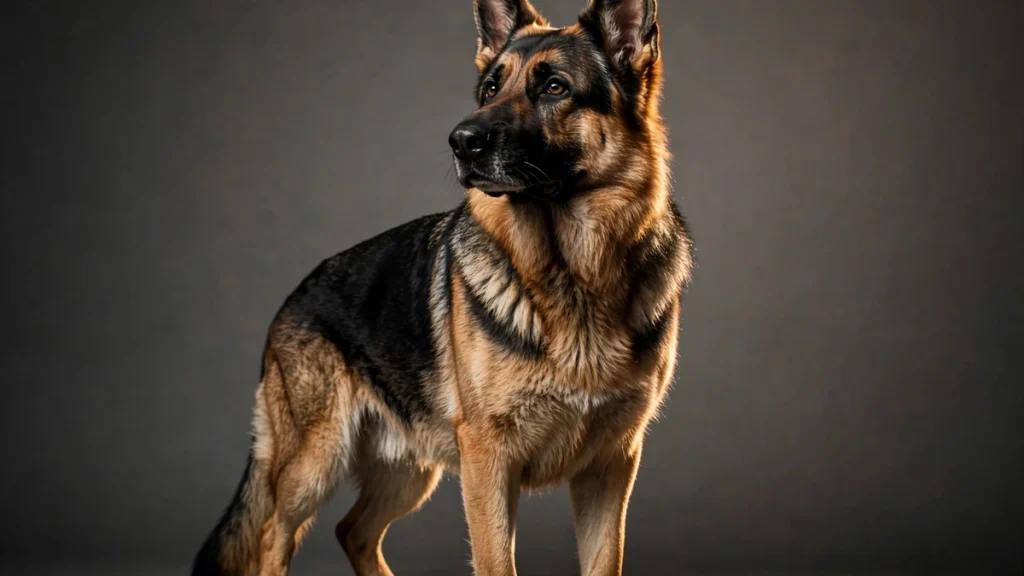
But the German Shepherd was not bred to be a celebrity. It was created in Germany as the ultimate herding dog, refined by a cavalry officer with an uncompromising vision of what a working dog should be. This guide covers the breed’s origin, its legendary intelligence, distinctive appearance and temperament, the working roles that made it famous, and what everyday life with a German Shepherd involves.
Origin and History of the German Shepherd
The German Shepherd breed has a single, well-documented founder: Captain Max von Stephanitz, a German cavalry officer who set out in the 1890s to standardize the herding dogs of Germany into one exceptional breed. In 1899, at a dog show in Karlsruhe, he purchased a dog named Hektor Linksrhein — renamed Horand von Grafrath — who became the first registered German Shepherd and the genetic foundation of the breed. Von Stephanitz founded the Verein für Deutsche Schäferhunde (the German Shepherd Dog Club) the same year, and the breed’s studbook began with Horand as entry number one.
Von Stephanitz prized working ability above all — intelligence, stamina, and character — holding that the breed should be a working dog first and a show dog second. Early German Shepherds herded sheep across Germany, but as herding declined, their talents found new outlets: police work, military service, and guiding the blind.
The breed reached America in the early 1900s and the AKC recognized it in 1908. During the World Wars, anti-German sentiment led Britain to rename it the “Alsatian,” a name that persisted for decades. Through it all, the German Shepherd’s reputation as the world’s premier working dog only grew.
Appearance: Power and Elegance
The German Shepherd is a large, strong, well-muscled dog, standing 24 to 26 inches at the shoulder for males and 22 to 24 inches for females, with males weighing 65 to 90 pounds and females 50 to 70 pounds. The outline is unmistakable: a long, slightly sloping back, deep chest, powerful hindquarters, and a bushy tail carried in a gentle curve.
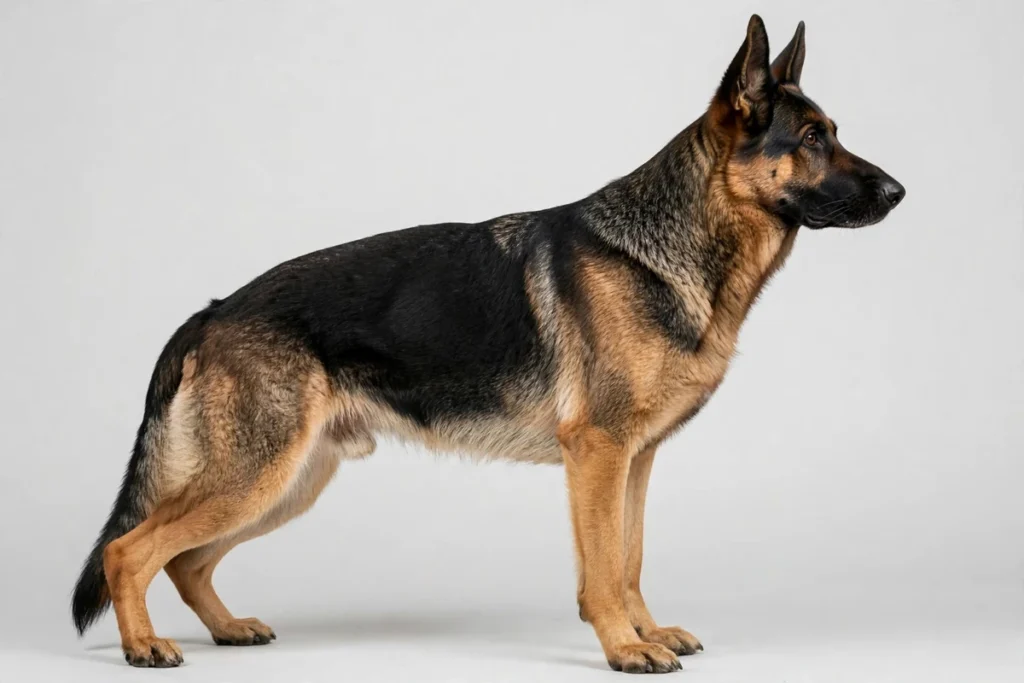
The head is noble and cleanly chiseled, with a long muzzle, dark almond-shaped eyes, and the breed’s signature erect ears. The expression is famously keen and intelligent. Movement is the breed’s hallmark: the standard calls for a smooth, ground-covering trot, a legacy of days spent covering miles of pasture.
Coat Colors
The classic German Shepherd coloring is black and tan — a black saddle over tan legs, chest, and face markings — but the breed comes in several recognized colors. Solid black German Shepherds are striking and increasingly popular. Sable (each hair banded with multiple colors), bi-color, and solid white also occur, though white is disqualified in some show rings while being beloved by many companion owners. The coat itself is a dense double coat of medium length, with a harsher outer coat and soft undercoat. A long-coated variety exists as well, with a softer, flowing coat.

German Shepherds shed — moderately year-round and heavily during seasonal coat blows — so brushing several times a week keeps loose hair under control. The breed’s coat is wash-and-wear by nature: dirt tends to brush out once dry, and the dense coat served its herding ancestors well in all weather.
German Shepherd Intelligence and Trainability
Intelligence is the trait most associated with the German Shepherd, and the reputation is earned. The breed consistently ranks among the smartest dog breeds in published canine cognition rankings, prized for its ability to learn complex tasks, generalize from training to new situations, and work independently when needed. This is a dog that does not just memorize cues — it understands jobs.

That intelligence makes German Shepherds exceptionally trainable, but it also makes training non-negotiable. A bored, under-stimulated German Shepherd will invent its own projects. The breed thrives on structure: consistent rules, regular training, and work to do — obedience, nose work, agility, or a demanding daily routine of exercise and engagement.
Positive, reward-based methods work best with this sensitive, handler-focused breed. German Shepherds bond intensely with their trainers and are eager to please, which makes them responsive students. Early socialization is essential: exposing puppies to different people, places, sounds, and other animals in a positive way shapes the confident, stable adult the breed is known for. A well-raised German Shepherd is discerning with strangers but never fearful or sharp without cause.
Temperament: Loyal, Confident, Watchful
The German Shepherd temperament is defined by loyalty and confidence. These dogs bond deeply with their families — often singling out one person as their primary human — and their devotion is legendary. They are naturally watchful, which makes them outstanding guardians: a German Shepherd notices everything, assesses calmly, and acts decisively when the family needs protection.
With their own people, German Shepherds are affectionate and even playful, though rarely silly. They tend to be aloof with strangers rather than effusively friendly, a trait the standard describes as proper: the breed should be approachable but not indiscriminate. This discernment is exactly what makes them trusted in protection and service roles.
Energy is the honest caveat, as with all working breeds. German Shepherds need substantial daily exercise — long walks, runs, fetch, swimming, or better yet, a job that engages both body and mind. They are not suited to sedentary households or long hours alone. But for active owners who want a true partner, the breed’s combination of loyalty, courage, and intelligence is unmatched.
Working Roles: The World’s Premier Working Dog
No breed has filled more working roles than the German Shepherd. Police and military units worldwide rely on them for patrol, detection, and apprehension work. They serve as guide dogs for the blind — the breed pioneered the role — and as service dogs for countless other tasks. Search-and-rescue teams deploy them in disasters, where their stamina, nose, and trainability save lives.

This working heritage shapes the pet German Shepherd too. The same drives that make the breed brilliant at detection work — focus, persistence, and the desire to work with a handler — are present in every puppy. Channeling those drives through training and activity is the key to a happy German Shepherd in a family home.
German Shepherd Puppyhood
German Shepherd puppies are famously adorable — oversized ears, clumsy paws, boundless curiosity — but they grow fast and learn faster. The puppy months are the critical window for socialization and foundation training.
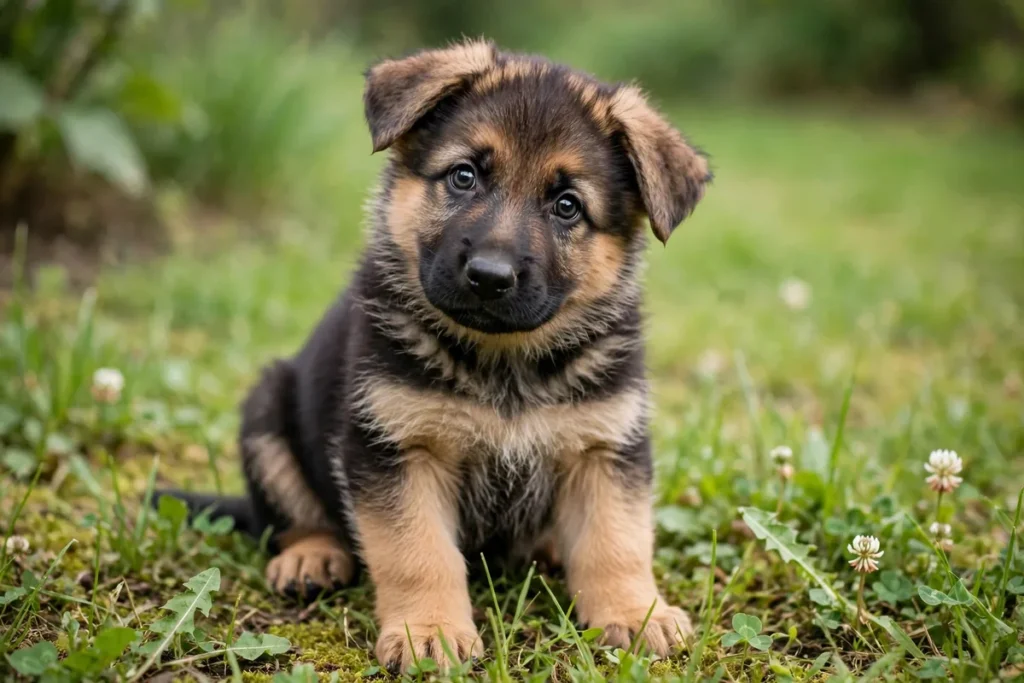
Puppies need careful management of exercise: free play on soft surfaces is ideal, while forced running on hard ground should wait until growth plates mature — a topic to discuss with your veterinarian. Mouthing and chewing are normal puppy behaviors that training redirects into appropriate outlets. Crate training, house training, and early leash manners all come more easily when started early, and the breed’s eagerness to learn makes puppy classes especially rewarding.
Living With a German Shepherd: What to Know
A German Shepherd is a lifestyle commitment. Plan on an hour or more of vigorous exercise daily, ongoing training, and plenty of togetherness — this breed wants to be with its people. A fenced yard helps, but it is no substitute for engaged exercise and training.
Grooming is moderate: brushing several times a week manages the shedding double coat, with daily brushing during seasonal blows. German Shepherds are generally clean, low-odor dogs whose coats handle weather well.
In the right home — active, structured, and committed to training — the German Shepherd is extraordinary: a guardian, a partner, and a family member of rare depth. For a deeper look at training approaches, browse our Dogs & Puppies guides, and visit the MyPetsMyLove homepage to discover more remarkable breeds.
Interesting Facts About German Shepherds
- A one-man creation: Few major breeds can name a single founder, but Captain Max von Stephanitz created the German Shepherd to his exact vision starting in 1899.
- First registered dog: Horand von Grafrath, purchased by von Stephanitz in 1899, was entry number one in the breed’s studbook and the ancestor of all German Shepherds.
- Hollywood pioneers: German Shepherds were among cinema’s first canine stars — Strongheart in the 1920s and later Rin Tin Tin, a rescued war puppy, made the breed famous worldwide.
- Guide dog pioneers: The German Shepherd was the first breed systematically trained as guide dogs for the blind, a role it still fills with distinction.
- The Alsatian years: Anti-German sentiment after the World Wars led Britain to rename the breed the “Alsatian Wolf Dog,” later shortened to “Alsatian” — a name used for decades.
- Nose for work: The breed’s scenting ability, stamina, and trainability keep it the top choice for detection work, from narcotics to search and rescue.
- Versatility record: No other breed serves in as many professional roles — police, military, service, herding, sport, and acting — as the German Shepherd.
Related Reading on MyPetsMyLove
- Labrador Retriever: History, Characteristics and Why This Breed Is So Popular
- Golden Retriever: Origin, Personality, Appearance and Interesting Facts
- Best Dog Breeds for First-Time Owners: A Complete Comparison
- Dogs & Puppies hub page
- MyPetsMyLove homepage
- About Us page
References
- American Kennel Club (AKC) — German Shepherd Dog breed standard and profile
- The Humane Society of the United States — choosing and caring for a dog
Frequently Asked Questions
Where did the German Shepherd originate?
The breed was developed in Germany in the 1890s by Captain Max von Stephanitz, who standardized German herding dogs into one breed. The first registered German Shepherd, Horand von Grafrath, was purchased in 1899 and founded the breed’s studbook.
Are German Shepherds intelligent?
Yes — the German Shepherd is consistently ranked among the most intelligent dog breeds. The breed excels at learning complex tasks, generalizing training to new situations, and working independently, which is why it dominates police, service, and search-and-rescue work.
Are German Shepherds good family dogs?
In the right home, absolutely. German Shepherds are deeply loyal and protective of their families. They suit active households committed to training and exercise; they are not ideal for sedentary owners or homes where the dog would be alone for very long hours.
How much exercise does a German Shepherd need?
As a working breed, the German Shepherd needs substantial daily exercise — typically an hour or more of vigorous activity such as long walks, runs, fetch, or swimming — plus mental stimulation through training or structured activities.
Do German Shepherds shed a lot?
Yes. The dense double coat sheds moderately year-round and heavily during seasonal shedding periods. Brushing several times a week, and daily during coat blows, keeps shedding manageable.
Are German Shepherds easy to train?
They are among the most trainable breeds thanks to their intelligence and eagerness to work with a handler. Positive, reward-based methods work best, and early socialization is essential for shaping a confident, stable adult.
Conclusion
From a cavalry officer’s vision in 1899 to the world’s most versatile working dog, the German Shepherd’s story is one of purpose fulfilled. Legendary intelligence, unwavering loyalty, and an athletic build made for work — these are the traits that put the breed in police units, on rescue teams, and in millions of devoted homes.
If the German Shepherd has captured your imagination, keep learning: our Dogs & Puppies guides cover training, puppyhood, and everyday care, and the MyPetsMyLove homepage opens the door to many more remarkable breeds.
Disclaimer
Disclaimer
MyPetsMyLove dot com is an independent informational website covering pet species breeds characteristics activities positive training bonding grooming and responsible ownership
We are not a veterinary clinic medical provider pet food provider or veterinary nutrition service
We do not provide veterinary diagnosis medical advice treatment food recommendations or nutritional guidance
For pet health medical or food related concerns consult a qualified veterinarian or appropriate professional directly
Independent clinics listed on this website are not owned or operated by MyPetsMyLove unless explicitly stated
Verify third party credentials services fees and availability independently
We do not guarantee third party services or outcomes
To the extent permitted by applicable law we disclaim responsibility for independent third party services
Nothing in this notice excludes liability that cannot legally be excluded
The disclaimer does not make prohibited content acceptable


7 Comments