Corgi Dogs: Pembroke vs Cardigan and Their Differences

The Corgi dog is one of the most recognisable dogs in the world: short legs, a long body, big upright ears, and a face that always seems to be smiling. What many people do not realise is that “Corgi” is not one breed but two — the Pembroke Welsh Corgi and the Cardigan Welsh Corgi. They look alike at a glance, but they come from different parts of Wales, descend from different ancestors, and differ in tails, size, coat colours, and personality.
This guide compares the Pembroke and the Cardigan side by side — their origins, their history as herding dogs, the easiest ways to tell them apart, and which of the two might suit your home better.
Two Breeds, One Name
The confusion between the two Corgi breeds is understandable, because for a long time even the kennel clubs treated them as one breed. The American Kennel Club first listed them together as the Welsh Corgi in 1925. After years of disagreement among breeders, who felt the two types were being judged unfairly against each other, the Kennel Club in Britain separated them into two distinct breeds in 1934, and the AKC followed.
The two breeds were still listed as Welsh Corgi (Cardigan) and Welsh Corgi (Pembroke) until 2006, when the AKC officially recognised them under their own names: the Cardigan Welsh Corgi and the Pembroke Welsh Corgi. They do not share a common ancestor, and they developed in different regions of Wales — the Cardigan in the rough, rocky terrain of Cardiganshire in the southwest, and the Pembroke in the flatter, easier terrain of Pembrokeshire in the south.
Both breeds were working farm dogs. Welsh farmers used them to move cattle to common grazing lands and guard the barnyard, and a Corgi’s short legs are part of its herding skill: the dog can duck under a cow’s kick and nip at its heels to keep it moving.
The Cardigan: The Older Breed
The Cardigan Welsh Corgi is the older of the two breeds, and one of the oldest British breeds of all. Its ancestors are believed to have come to Wales from Central Europe with Celtic tribes around 1200 BC, from the German teckel lineage — the same family that produced the Dachshund. That makes the Cardigan roughly 3,000 years old as a type.
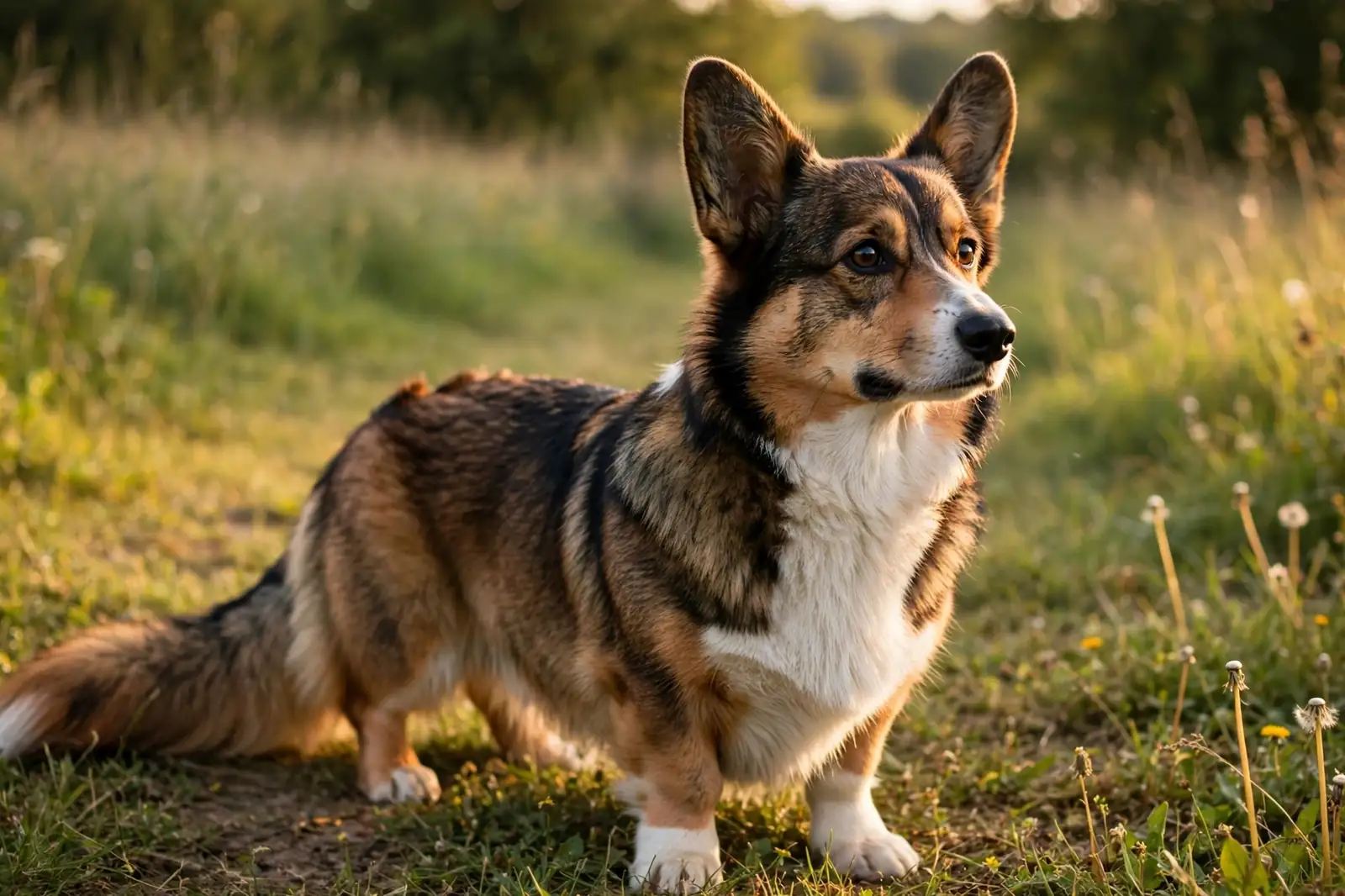
Cardigans are slightly larger dogs with heavier bone than Pembrokes. They have larger, more rounded ears, round feet that tend to point outwards, and a sloping rear with a long, bushy, foxlike tail. The tail is the easiest way to spot a Cardigan: it is always there, carried low and flowing behind the dog.
Cardigans also come in more colours. The breed standard allows brindle, blue merle, black and white with brindle or tan points, red, and sable, with white markings on any coat colour. Cardigans are the less common of the two breeds in America, and they are the quieter favourite among Corgi lovers who know both breeds.
The Pembroke: The Younger, More Famous Breed
The Pembroke Welsh Corgi is the younger breed, about 1,000 years old. It descends from Nordic spitz lineage, and it most likely arrived in Wales with Flemish weavers who came at the invitation of King Henry I in 1107. Pembrokes developed in the flatter farmland of Pembrokeshire, and they became the more popular of the two breeds in the United States.
The Pembroke is the Corgi most people picture, and it owes much of its fame to Queen Elizabeth II, who was rarely without a Pembroke from 1933 until her death. The breed’s cheerful, outgoing nature and its famous smile made it a natural favourite, and today it is one of the most common dog breeds in America among small herding dogs.
Pembrokes are a little smaller and lighter-boned than Cardigans, with smaller, slightly pointed ears, oval feet that point straight forward, and a squared-off rear. Their most famous feature is the tail — or rather, the lack of one. The Pembroke’s tail is docked close to the body under the breed standard, and some puppies are born with a naturally short tail. Of the popular US dog breeds, few are as instantly recognisable as the Pembroke Corgi.

The Tail: The Easiest Difference to Spot
If you only learn one difference between the two Corgi breeds, make it the tail. Cardigan Welsh Corgis have a long, foxlike tail that they carry low, and it is a defining feature of the breed. Pembroke Welsh Corgis have a short, docked tail, and the AKC standard calls for the tail to be docked as short as possible without being indented.
The tail difference is not just cosmetic — it reflects the breeds’ separate histories. The Cardigan kept the long tail of its teckel ancestors, while the Pembroke’s short tail became part of its standard as the breed developed in Pembrokeshire. When the two breeds were interbred in the early 1900s, the tail was one of the features breeders argued about most, and it helped push the kennel clubs to separate them.
Size, Ears, and Build
Both Corgi breeds stand about 10 to 12 inches at the shoulder, so the difference in size is easy to miss. The Cardigan is the bigger of the two, with heavier bone and a slightly longer body, weighing up to around 30 pounds. The Pembroke averages around 20 to 25 pounds and looks a little more compact.
The ears tell the breeds apart too. Cardigans have larger ears with rounded tips, while Pembrokes have smaller ears that are erect, firm, and taper to a slightly rounded point. The feet differ as well: Cardigans have round feet that tend to point outwards, while Pembrokes have more oval feet that point straight forward.
The rear is another clue: Cardigans have a sloping rear with a rounded hind end, while Pembrokes have a squared-off rear. Put together — tail, ears, feet, and rear — the two breeds are easy to tell apart once you know what to look for.
Coat Colours: Cardigans Offer More Choice
Coat colour is one of the clearest differences between the two Corgi breeds. Cardigans come in a wide range: brindle, blue merle, black and white with brindle or tan points, red, and sable, with white markings allowed on any colour. Blue merle Cardigans may even have blue eyes, which is accepted in the breed.
Pembrokes are more limited. The breed standard allows only red, sable, and tricolor, with white markings. A blue merle coat or blue eyes would disqualify a Pembroke in the show ring. Both breeds have a medium-length double coat with a thick undercoat, and both shed — a regular brush keeps the coat looking neat and the house a little less furry.
Compared with the short, smooth coat of the French Bulldog, both Corgi coats need more brushing, and compared with the curly coat of the Poodle, they need much less shaping. Readers browsing our guide to the most popular dog breeds in America will find the Pembroke listed among the familiar favourites.
Personality: Reserved Cardigan, Outgoing Pembroke
Both Corgi breeds are smart, loyal, and playful, and both keep their herding instincts. They are quick to learn, eager to be part of the household, and fond of games that involve their people. The difference is in how they meet the world.
Cardigans are more reserved in new situations and take a little time to warm up to strangers, though once they do they are affectionate and devoted. Pembrokes are more outgoing from the start — cheerful, confident, and ready to greet everyone.
Both breeds are energetic and need daily walks and play. They enjoy fetch, scent games, and anything that uses their herding brains. Compared with the famously merry Beagle, both Corgis are calmer indoors, and compared with the independent Siberian Husky, they are far more devoted to staying close to their owners.
Corgi Puppies: Sturdy, Curious, and Quick to Bond
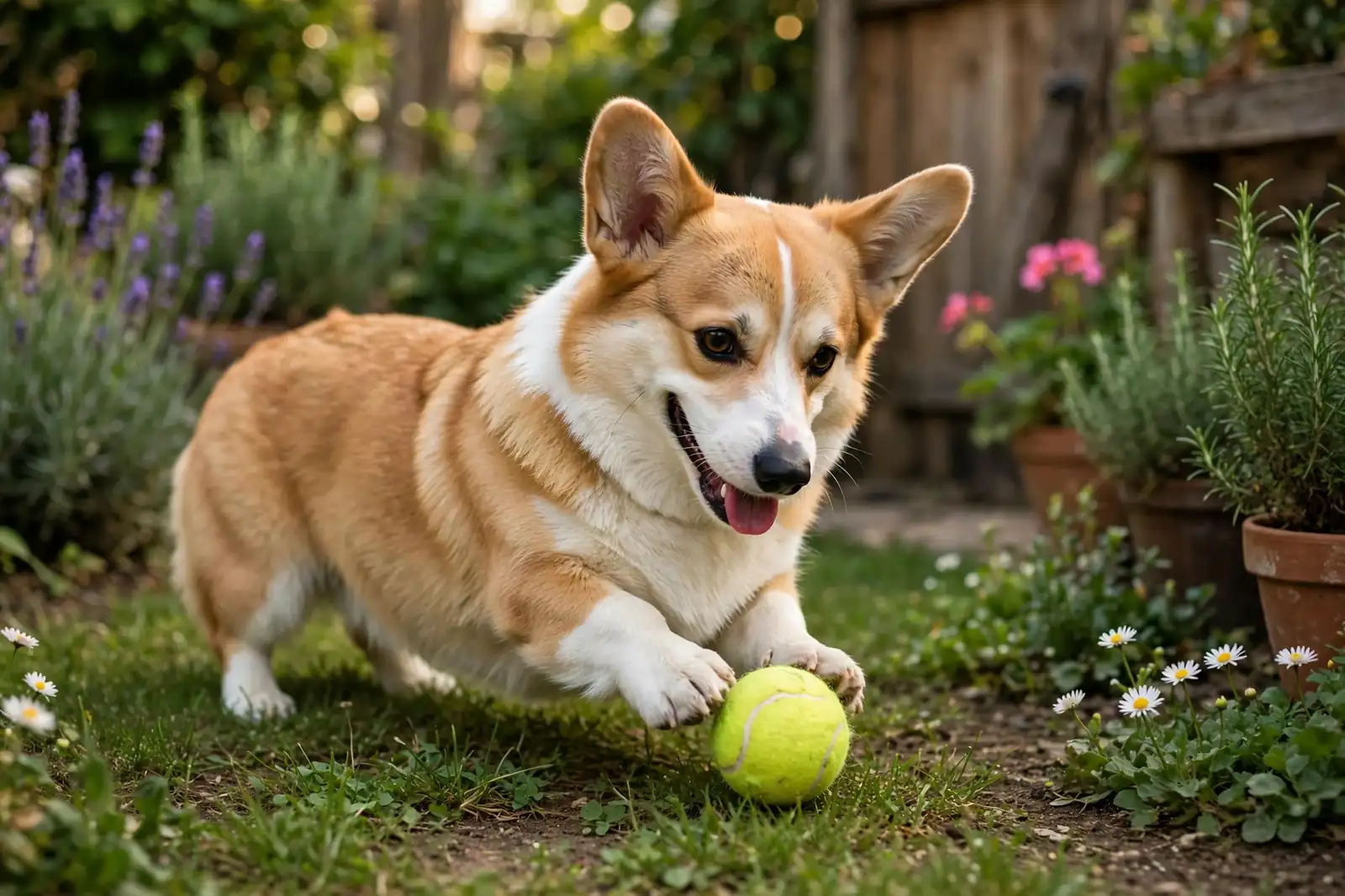
Corgi puppies are sturdy little dogs from the start, with big ears that seem too large for their heads and short legs that carry them everywhere at surprising speed. A puppy explores the world with enthusiasm, investigating new sounds, new objects, and new people.
Puppies are playful and social from an early age. They chase, tug, and investigate everything in reach, and they bond quickly with the people around them. A Corgi puppy that grows up with plenty of company, gentle handling, and regular play becomes a confident, steady adult that takes new situations in its stride.
Like adults, puppies love closeness — a soft blanket, a warm spot beside a person, and a place in the middle of family life — see our guide to the best dog breeds for first-time owners for comparisons.

Grooming and Everyday Care
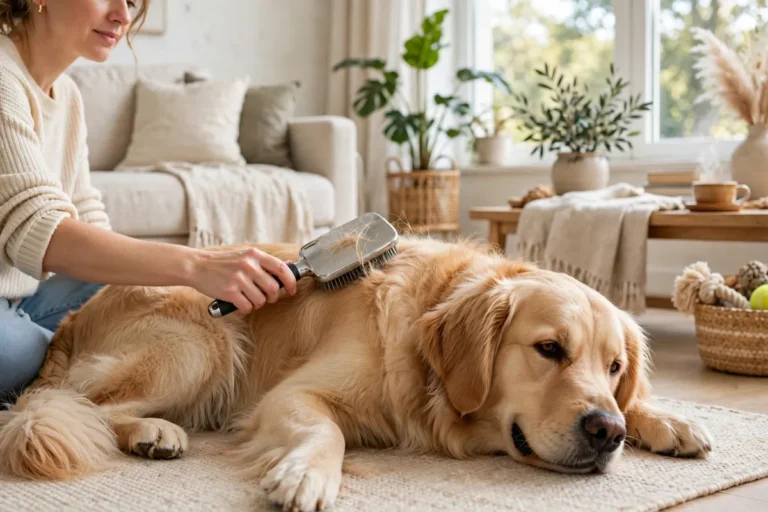
Grooming a Corgi is simple and ordinary. The medium-length double coat sheds, and a gentle brush once or twice a week removes loose hair and keeps the coat looking neat. During the spring and autumn sheds, when the thick undercoat comes out, brushing more often helps keep loose fur under control.
Beyond the coat, everyday care is straightforward. The ears can be checked and gently wiped as part of the regular grooming routine, and the claws can be trimmed as part of ordinary care. Corgis do best living inside with their family, and their herding nature means they need daily walks and play to stay happy.
Pembroke vs Cardigan at a Glance
| Trait | Pembroke Welsh Corgi | Cardigan Welsh Corgi |
|---|---|---|
| Origin | Pembrokeshire, South Wales | Cardiganshire, Southwest Wales |
| Age as a type | About 1,000 years | About 3,000 years |
| Ancestry | Nordic spitz lineage | German teckel lineage |
| Height | 10–12 inches | 10–12 inches |
| Weight | Around 20–25 pounds | Up to around 30 pounds |
| Tail | Docked, very short | Long, foxlike |
| Ears | Smaller, slightly pointed | Larger, rounded tips |
| Feet | Oval, pointing forward | Round, pointing outwards |
| Rear | Squared-off | Sloping, rounded |
| Coat colours | Red, sable, tricolor | Brindle, blue merle, black and white, red, sable |
| Personality | Outgoing, cheerful, goofy | Reserved at first, devoted once warmed up |
| Best for | Owners wanting a lively, social companion | Owners wanting a thoughtful, loyal companion |
Interesting Facts About Corgi Dogs
- Two breeds, not one: The Pembroke and the Cardigan are two separate breeds with different ancestors — the Pembroke descends from Nordic spitz dogs, the Cardigan from German teckel dogs.
- One breed until 1934: The Kennel Club in Britain listed them as a single breed until 1934, when breeders’ protests finally won them separate recognition.
- The tail test: The easiest way to tell them apart is the tail — Cardigans have a long, foxlike tail, while Pembrokes have a docked, very short tail.
- Flemish weavers: Pembrokes most likely arrived in Wales with Flemish weavers who came at the invitation of King Henry I in 1107.
- The Queen’s dogs: Queen Elizabeth II was rarely without a Pembroke from 1933 until her death, and the breed’s fame owes much to her.
- First Cardigans in America: The first breeding pair of Cardigans arrived in the United States in 1931.
- Separate names since 2006: The AKC gave the breeds their own names — Cardigan Welsh Corgi and Pembroke Welsh Corgi — in 2006.
Which Corgi Is Right for You?
Choosing between the two Corgi breeds comes down to personality and looks. If you want a cheerful, outgoing dog that greets everyone and makes people laugh, the Pembroke is the natural choice. The Pembroke regularly appears in lists of the most best dog breeds in America, while the Cardigan stays a quieter favourite. If you prefer a thoughtful, watchful companion that takes time to warm up and then gives its whole heart, the Cardigan may suit you better.
Either way, you get a smart, loyal herding dog with a big personality in a short-legged body. Compare both Corgi breeds with other favourites in our guide to the most popular dog breeds in America, see how they stack up for new owners in our guide to the best dog breeds for first-time owners, and browse the Dogs & Puppies section.
Related Reading on MyPetsMyLove
- Most popular dog breeds in America
- Dachshund guide
- Beagle guide
- Dogs & Puppies hub page
- MyPetsMyLove homepage
- About Us page
References
- American Kennel Club (AKC) — Pembroke Welsh Corgi and Cardigan Welsh Corgi breed standards and history
- Encyclopaedia Britannica — Corgi breed information
Frequently Asked Questions
What is the difference between a Pembroke and a Cardigan Corgi?
The two breeds have different origins, tails, sizes, ears, and coat colours. Cardigans are older, slightly larger, and have a long foxlike tail, larger rounded ears, and more coat colours. Pembrokes are younger, a little smaller, have a docked short tail, smaller pointed ears, and come in red, sable, and tricolor only.
How can you tell a Pembroke from a Cardigan?
The tail is the easiest clue: Cardigans have a long, foxlike tail, while Pembrokes have a very short docked tail. The ears help too — Cardigans have larger, rounded ears, while Pembrokes have smaller, slightly pointed ears.
Are Pembroke and Cardigan Corgis the same breed?
No. They are two separate breeds with different ancestors. The Cardigan descends from German teckel lineage, while the Pembroke descends from Nordic spitz lineage. They were listed as one breed until 1934, when the Kennel Club in Britain separated them, and the AKC gave them their own breed names in 2006.
Which Corgi is more popular?
The Pembroke is far more popular in the United States, helped by its fame as Queen Elizabeth II’s breed. The Cardigan is less common and is the quieter favourite among Corgi lovers who know both breeds.
How large do Corgis grow?
Both breeds stand about 10 to 12 inches at the shoulder. Cardigans are a little heavier, weighing up to around 30 pounds, while Pembrokes average around 20 to 25 pounds.
What is a Corgi puppy like?
Corgi puppies are sturdy, curious, and quick to bond, with big ears and short legs. They are playful and social from an early age, and puppies that meet many different people, places, and everyday sounds grow into confident, steady adults.
How do you groom a Corgi?
Grooming is simple and ordinary. A gentle brush once or twice a week removes loose hair from the medium-length double coat. During the spring and autumn sheds, brushing more often helps keep loose fur under control.
Conclusion
The Corgi dog comes in two distinct breeds: the Cardigan, the older breed from the rocky hills of Cardiganshire with its long foxlike tail, and the Pembroke, the younger breed from the flatter fields of Pembrokeshire with its docked tail and cheerful smile. They share a herding past, short legs, big ears, and a loyal, playful nature, but they differ in origin, size, coat colours, and personality.
If you want a lively, outgoing companion, the Pembroke is hard to beat. If you prefer a thoughtful, watchful friend that warms up slowly and then gives its whole heart, the Cardigan may be the one for you. Compare both breeds with other remarkable dogs in our guide to the most popular dog breeds in America, explore the Dogs & Puppies section, and start from the MyPetsMyLove homepage to meet more breeds worth knowing.
Disclaimer
Disclaimer
MyPetsMyLove dot com is an independent informational website covering pet species breeds characteristics activities positive training bonding grooming and responsible ownership
We are not a veterinary clinic medical provider pet food provider or veterinary nutrition service
We do not provide veterinary diagnosis medical advice treatment food recommendations or nutritional guidance
For pet health medical or food related concerns consult a qualified veterinarian or appropriate professional directly
Independent clinics listed on this website are not owned or operated by MyPetsMyLove unless explicitly stated
Verify third party credentials services fees and availability independently
We do not guarantee third party services or outcomes
To the extent permitted by applicable law we disclaim responsibility for independent third party services
Nothing in this notice excludes liability that cannot legally be excluded
The disclaimer does not make prohibited content acceptable