
Chow Chow: The Lion-Maned Dog with a Blue Tongue
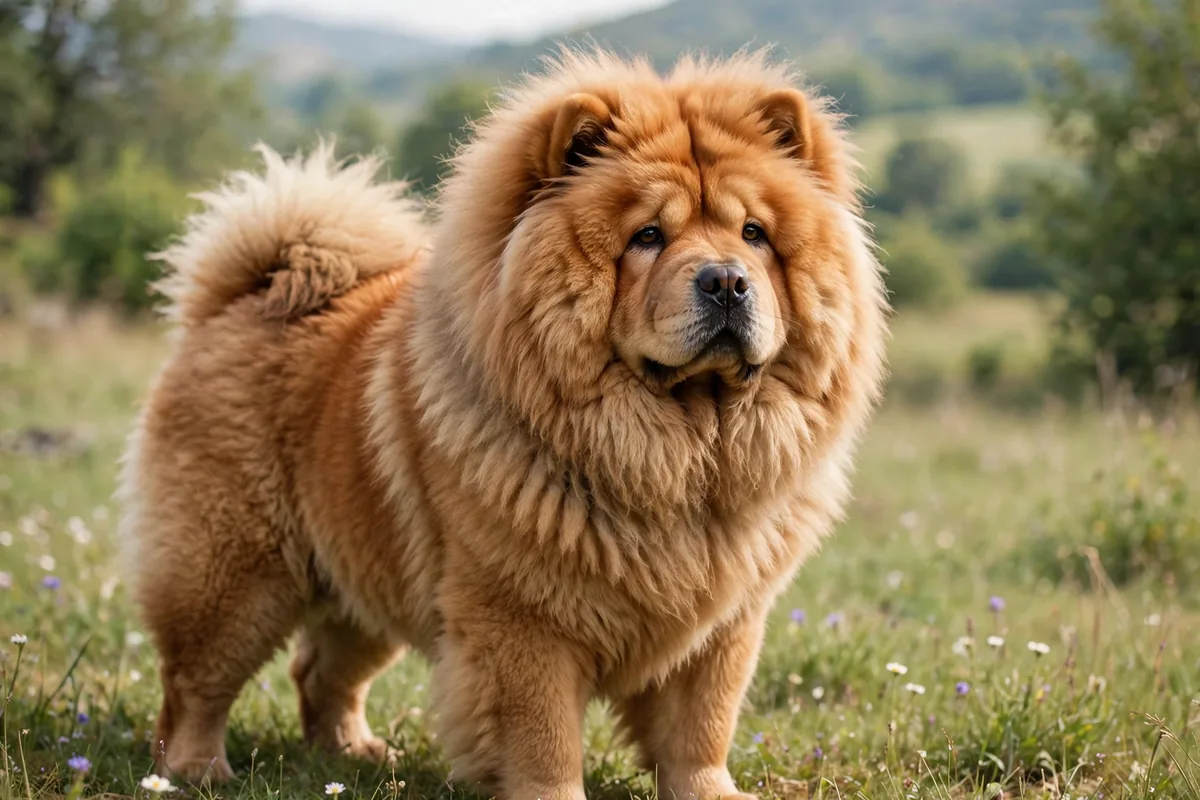
There is a dog that looks like a lion, carries itself like royalty, and hides one of the most surprising features in the dog world — a tongue the color of midnight. Meet the Chow Chow, a breed so old that its ancestors appear in Chinese art from more than two thousand years ago. The thick mane, the deep-set eyes, the proud walk, and that famous blue-black tongue belong to a dog with a personality to match: loyal, dignified, independent, and quietly devoted to its own people. This guide covers the Chow’s history, appearance, temperament, puppies, and daily life.
The Ancient History of the Chow Chow
The Chow Chow is one of the oldest dog breeds in the world, with roots in northern China. Dogs that look remarkably like the modern Chow appear in Chinese pottery and sculpture from the Han dynasty, which ran from 206 BC to AD 220. For centuries these dogs worked in China as all-purpose companions, guarding homes and temples and hunting alongside their owners.
The breed’s unusual name is often said to come from eighteenth-century English traders, who used the words “chow chow” for mixed cargo arriving on ships from China. When the first of these dogs reached England, they were lumped in with that cargo, and the name stuck.
The Chow’s journey to the West gathered pace in the nineteenth century, when a few dogs reached Britain and caught the eye of dog lovers there. Queen Victoria kept a Chow, and her interest helped make the breed fashionable in Victorian Britain. The breed reached the United States soon after, and the American Kennel Club recognized the Chow Chow in 1903, placing it in the Non-Sporting Group. From ancient China to American homes today, the Chow has kept its look and its proud, independent spirit.
Appearance of the Chow Chow
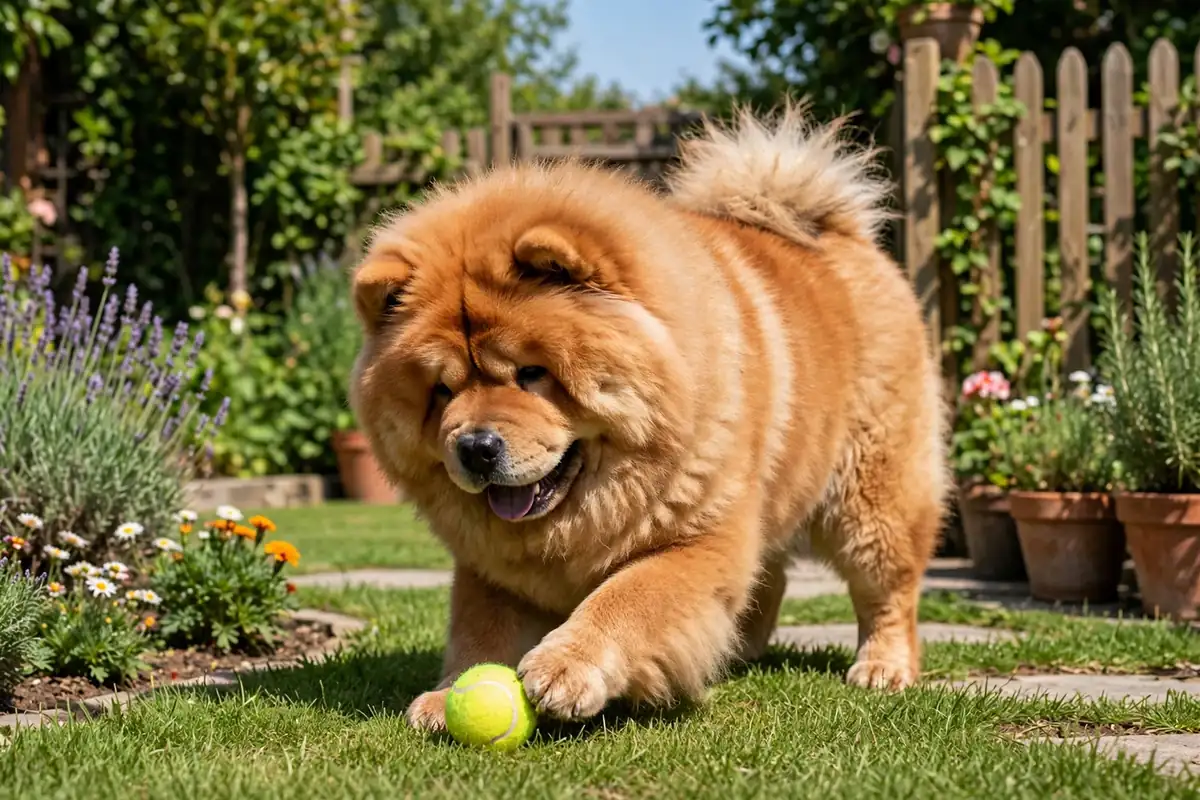
The first thing anyone notices about a Chow Chow is the mane. A thick ruff of fur frames the head and neck like a lion’s mane, giving the dog a powerful, almost regal outline. Underneath sits a sturdy, square-built body with a broad chest and a tail that curls tightly up over the back. An adult Chow usually stands about 17 to 20 inches at the shoulder.
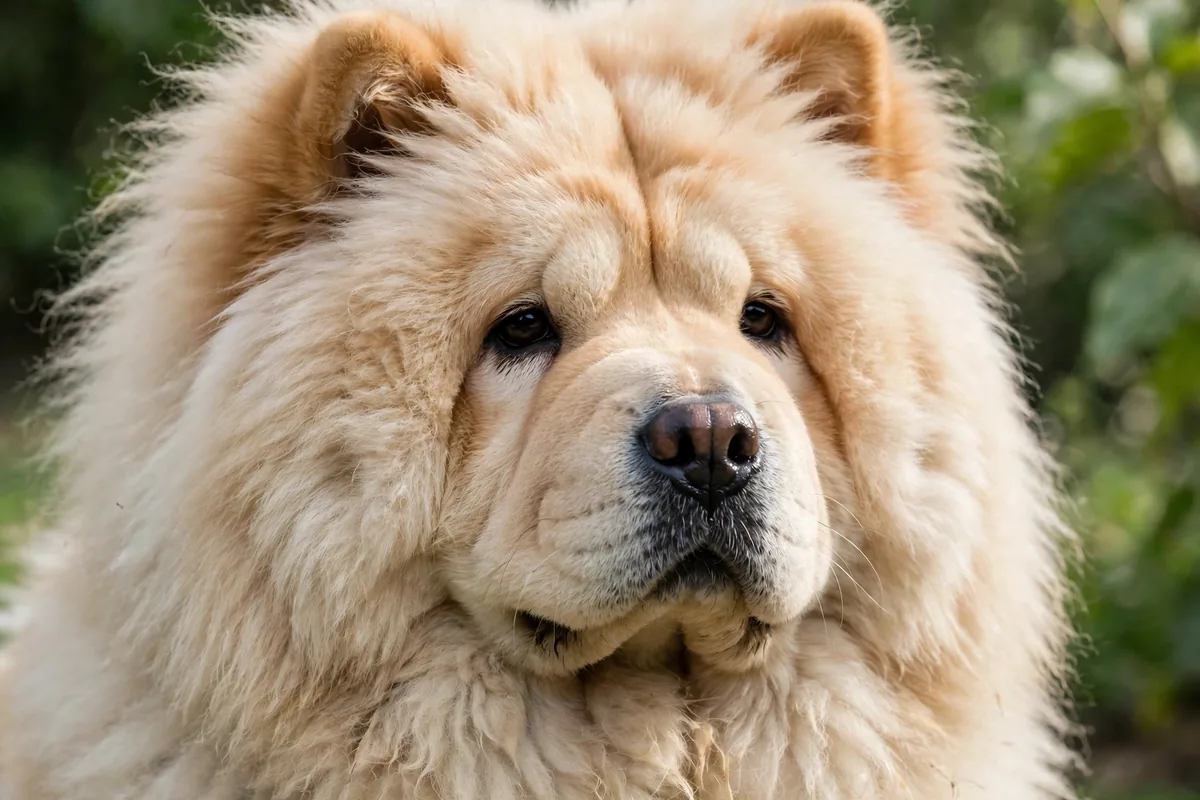
The head is broad and flat, with a short, wide muzzle, small triangular ears that stand upright, and deep-set eyes that give the Chow its famously serious expression. The ears sit wide apart and tilt forward, adding to the lion-like look. One of the breed’s most unusual features is the way it moves: the Chow’s hind legs are unusually straight, which produces a short, stilted gait unlike the movement of almost any other breed.
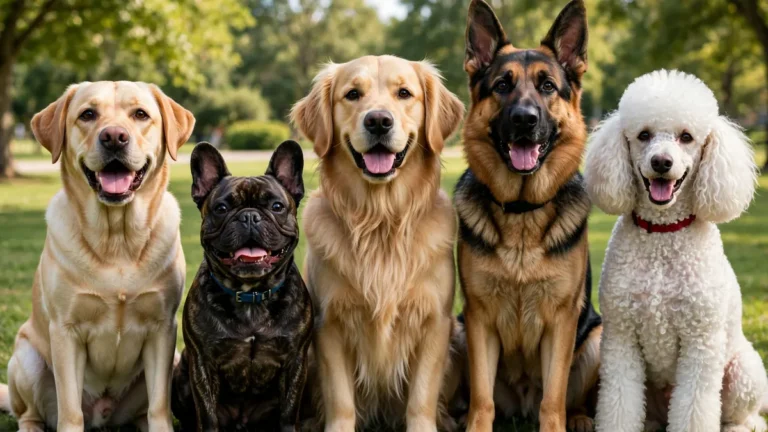
Compared with the friendly, open face of the Golden Retriever or the long, elegant lines of the German Shepherd, the Chow looks compact, powerful, and deliberately reserved. Among the most common dog breeds kept in American homes, few are as instantly recognizable.
The Famous Blue-Black Tongue
No feature of the Chow Chow is talked about more than its tongue. While most dogs have pink tongues, the Chow’s tongue is a deep blue-black, and the color usually extends to the lips and mouth as well. It is one of the breed’s defining traits, written into the breed standard.
The blue-black tongue is rare in the dog world. The Chow shares it with only one other breed, the Shar-Pei, and in both breeds the dark pigment is simply part of the breed’s natural coloring. Puppies are the exception: Chow puppies are born with pink tongues, and the dark color develops gradually during the first months of life.
Stories have grown up around the tongue, including an old Chinese legend that a Chow once licked up pieces of the night sky as it was being painted. Like many breed legends, it is a story to enjoy rather than a fact to prove.

Coat and Colors
The Chow Chow wears a thick double coat, one of the heaviest coats of any dog breed. The outer coat is dense and coarse, while the soft undercoat is thick and woolly, and together they create the breed’s full, plush outline. The coat comes in two lengths: the long, rough coat most people picture, with its full mane and feathering, and a shorter smooth coat.
Chow coats come in five recognized colors: red, black, blue, cinnamon, and cream. Red is the classic color, from light golden red to deep mahogany. Black Chows are a solid, glossy black, while blue Chows carry a slate-gray tone that can look silvery in sunlight. Cinnamon is a warm, lighter brown, and cream is a pale shade with a soft golden cast. In every color, the coat is solid, without patches or markings.
That magnificent coat needs regular care. A thorough brushing a few times a week keeps the thick fur free of tangles and lifts out loose hair, and the coat sheds heavily in seasonal bursts, when a little extra brushing helps. The mane and the feathering behind the legs tangle most easily.
Temperament and Personality
If the Chow Chow looks like royalty, it behaves that way too. This is a dignified, independent, and deeply loyal breed that forms a strong bond with its own family while staying politely reserved with strangers. A Chow does not greet every visitor with wagging excitement. It watches, considers, and decides for itself, and that calm self-possession is what its admirers love about it.
Chows are quiet dogs in the home. They rarely bark without reason, they are content to rest nearby while the family goes about its day, and they do not demand constant attention the way some breeds do. That independence can be mistaken for aloofness, but owners describe a different picture: a dog that follows its favorite person from room to room and leans in for quiet affection. The bond is deep, even when it is expressed quietly.
With children, a Chow is usually calm and tolerant, and it does best where children are old enough to respect a dog’s space and treat it gently. With other pets, a Chow tends to prefer being the only dog in the home, though many live peacefully with cats and with dogs they have grown up alongside. Readers weighing a Chow against the outgoing Labrador Retriever or the lively French Bulldog will find the Chow at the calm, independent end of the scale — less eager to please, but just as devoted.
Chow Chow Puppies
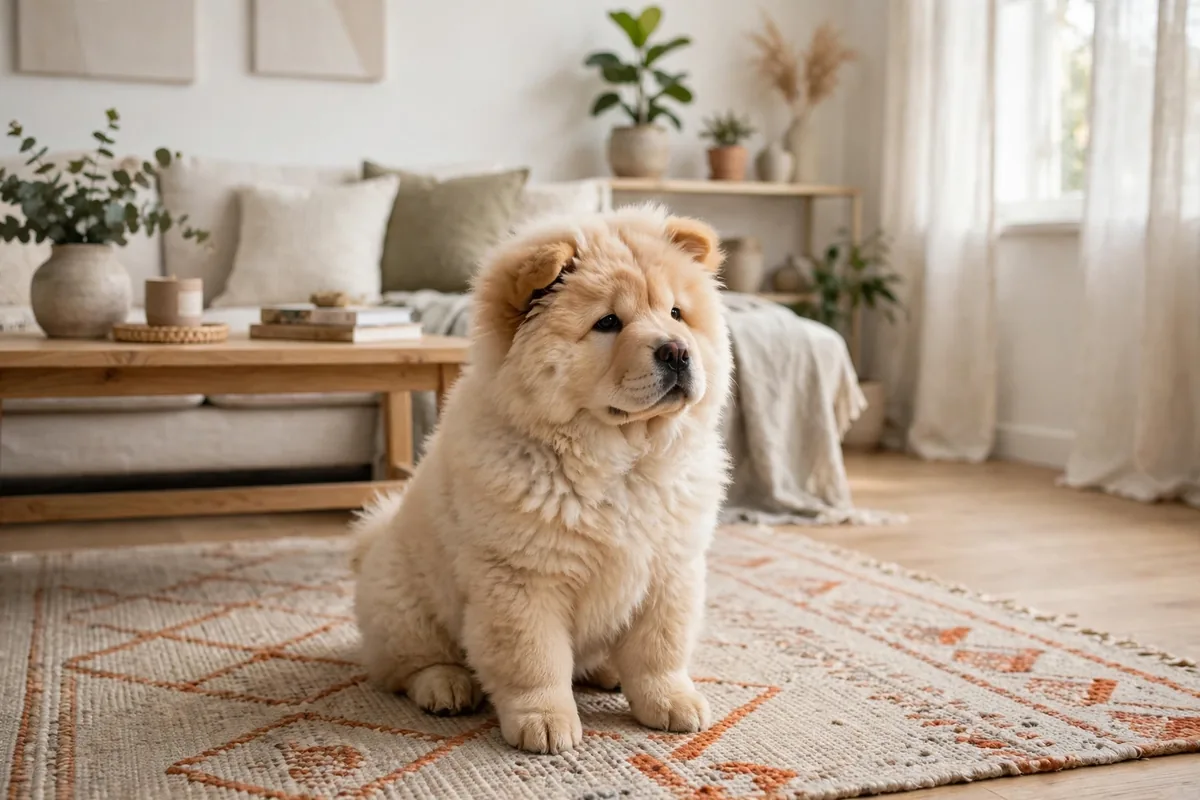
A Chow Chow puppy is one of the roundest, fluffiest sights in the dog world. Puppies are born with soft, dense coats, small folded ears, and — unlike their parents — pink tongues that darken to blue-black over the first months. Their early weeks are a time of rapid change, as the mane fills out, the ears stand upright, and the coat deepens into its adult color.
Young Chows are playful and curious, and they benefit from gentle handling, short play sessions, and chances to meet new people, sounds, and places while they are still young. Meeting friendly visitors and hearing everyday household sounds helps a puppy grow into the calm, confident adult the breed is known for. Short, positive training sessions work best, since the breed responds far better to patience and encouragement than to pressure.
Choosing a puppy is a long-term commitment, and the Chow’s independent nature means the early months matter. A puppy that grows up with consistent routines, kind handling, and plenty of quiet company usually settles into the steady, loyal companion the breed is famous for. Anyone comparing puppies may also enjoy our guide to the most popular dog breeds in America.
Living With a Chow Chow
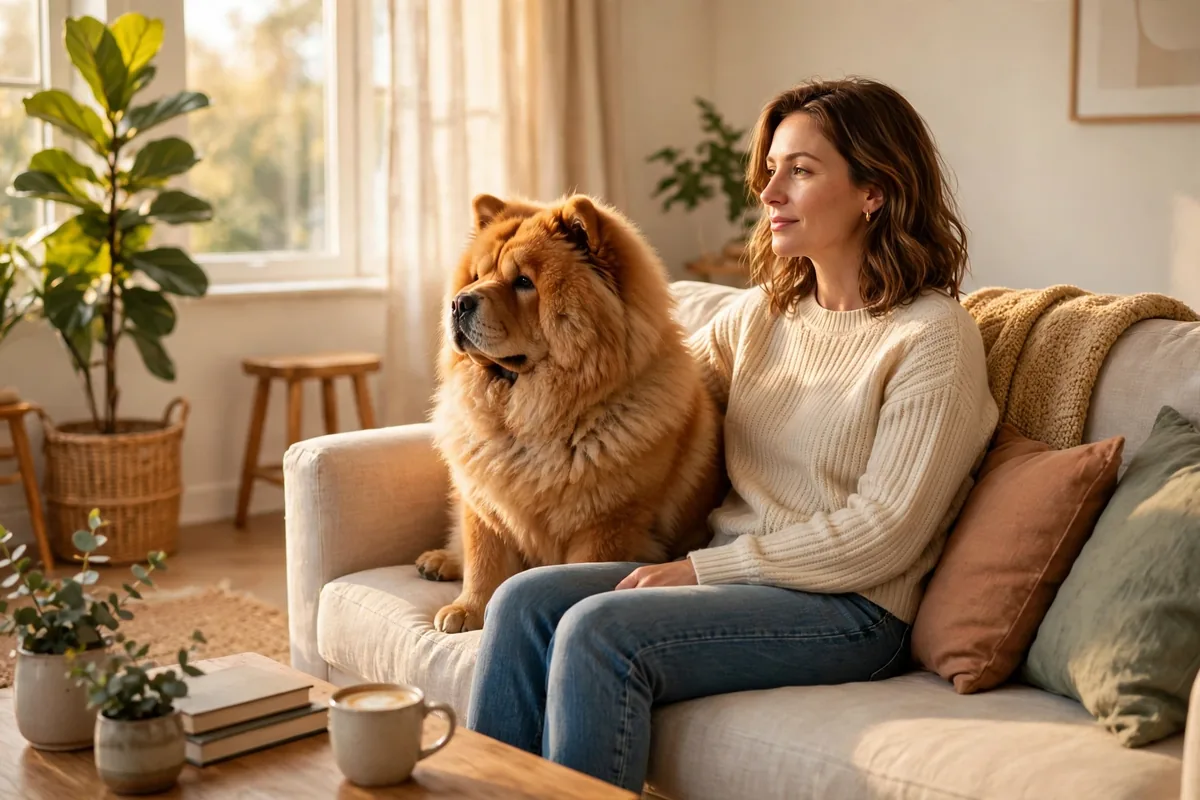
Life with a Chow Chow is calm, steady, and quietly rewarding. This is a dog that suits a home with a predictable routine, where it can settle into its favorite spots. A Chow enjoys a resting place in the room the family uses most, a spot by the window, and a garden or yard to patrol at its own pace.
The breed needs a moderate amount of exercise rather than long, athletic outings. A daily walk or two, plus some playtime in the garden, usually covers a Chow’s needs, and the breed is happy to spend the rest of the day resting at home. Short games with a ball suit the Chow well — our guide to the best dog toys covers the types dogs return to again and again. Because the thick coat makes the Chow sensitive to hot weather, exercise is best in the cooler parts of the day, with a shady spot and fresh water close by.
Coat care is the most regular Chow job. A good brush a few times a week keeps the double coat in shape, and the heavy seasonal shedding calls for a little extra attention. The ears, paws, and folds around the face deserve a quick check during grooming, and most Chows come to enjoy the routine as quiet time with their owner.
Training and Socialization
Training a Chow Chow is a matter of patience, consistency, and mutual respect. The breed is intelligent and learns quickly, but it is also independent-minded, so it does best with an owner who sets clear routines and sticks to them. Short, positive sessions work far better than long, repetitive ones.
Early socialization is especially important for this breed. Because Chows are naturally reserved with strangers, meeting a wide range of people, dogs, and everyday situations while young helps them grow into confident adults that stay calm and polite in new company. A Chow that met many friendly visitors as a puppy is far more relaxed about guests later in life.
Leash manners deserve attention from the start, since a full-grown Chow is a strong, solid dog. Our leash training guide covers the basics step by step, and the same calm, consistent approach that works on the leash works everywhere else with this breed. The reward is a well-mannered companion that walks calmly, greets visitors with quiet dignity, and settles happily into family life.
Chow Chow vs Other Popular Breeds
| Breed | Coat | Size | Temperament |
|---|---|---|---|
| Chow Chow | Thick double coat, lion-like mane | Medium, sturdy | Dignified, loyal, independent |
| Golden Retriever | Medium double coat | Large | Friendly, eager, outgoing |
| German Shepherd | Medium double coat | Large | Confident, loyal, alert |
| Labrador Retriever | Short double coat | Large | Friendly, energetic, eager to please |
The table shows why the Chow Chow stands apart among popular US dog breeds. The Golden Retriever and the Labrador bring boundless friendliness, and the German Shepherd brings working energy. The Chow brings something different: a calm, dignified presence, a spectacular coat, and a loyalty that runs deep.
Interesting Facts About Chow Chows
- An ancient breed: Chow-like dogs appear in Chinese art from the Han dynasty, more than two thousand years ago.
- A blue-black tongue: The Chow shares its dark tongue with only one other breed, the Shar-Pei.
- Born with pink tongues: Chow puppies are born with pink tongues that darken to blue-black as they grow.
- A lion’s mane: The thick ruff around the neck is one of the fullest coats of any dog breed.
- A stilted walk: The Chow’s unusually straight hind legs give it a short, stilted gait all its own.
Related Reading on MyPetsMyLove
- Most popular dog breeds in America
- Golden Retriever guide
- German Shepherd guide
- Dogs & Puppies hub page
- MyPetsMyLove homepage
- About Us page
References
- American Kennel Club (AKC) — Chow Chow breed profile
- Encyclopaedia Britannica — dog breeds reference
- The Humane Society of the United States — pet care and enrichment resources
- The Kennel Club — Chow Chow breed information
Frequently Asked Questions
Why do Chow Chows have blue-black tongues?
The blue-black tongue is a natural part of the breed’s coloring, written into the breed standard. The Chow shares this trait with only one other breed, the Shar-Pei. Puppies are born with pink tongues, and the dark blue-black color develops during the first months of life.
Are Chow Chows good family dogs?
Yes, for the right home. Chows are loyal, calm, and deeply devoted to their own family. They do best in a calm household with a predictable routine, and with children who are old enough to respect a dog’s space and treat it gently.
How much grooming does a Chow Chow need?
More than most breeds, because of the thick double coat. A thorough brushing a few times a week keeps the coat free of tangles and lifts out loose hair, with extra brushing during heavy seasonal shedding. The mane and the feathering behind the legs tangle most easily.
Are Chow Chows easy to train?
Chows are intelligent and learn quickly, but they are independent-minded, so they need a patient, consistent owner. Short, positive training sessions work best, and early socialization is especially important because the breed is naturally reserved with strangers.
What colors do Chow Chows come in?
The recognized colors are red, black, blue, cinnamon, and cream. Red is the classic and most familiar color, ranging from light golden red to deep mahogany, and the coat is solid in every color, without patches or markings.
Are Chow Chow puppies born with blue tongues?
No. Chow puppies are born with pink tongues. The dark blue-black color develops gradually during the first months of life, so a young puppy’s mouth looks quite different from an adult’s.
How much exercise does a Chow Chow need?
A moderate amount. A daily walk or two plus some playtime in the garden usually covers a Chow’s needs. Because the thick coat makes the Chow sensitive to hot weather, exercise is best in the cooler parts of the day.
Conclusion
The Chow Chow brings together ancient history and an unforgettable look: a lion-like mane, a blue-black tongue, a thick double coat, and a calm, loyal nature. It is not the most outgoing breed, and it will never be the loudest dog in the room — but for owners who value dignity, independence, and a deep, quiet bond, few breeds reward patience as richly.
Compare the Chow with its fellow popular breeds in our guide to the most popular dog breeds in America, learn the basics in our leash training guide, and explore more breeds in the Dogs & Puppies section.
Disclaimer
Disclaimer
MyPetsMyLove dot com is an independent informational website covering pet species breeds characteristics activities positive training bonding grooming and responsible ownership
We are not a veterinary clinic medical provider pet food provider or veterinary nutrition service
We do not provide veterinary diagnosis medical advice treatment food recommendations or nutritional guidance
For pet health medical or food related concerns consult a qualified veterinarian or appropriate professional directly
Independent clinics listed on this website are not owned or operated by MyPetsMyLove unless explicitly stated
Verify third party credentials services fees and availability independently
We do not guarantee third party services or outcomes
To the extent permitted by applicable law we disclaim responsibility for independent third party services
Nothing in this notice excludes liability that cannot legally be excluded
The disclaimer does not make prohibited content acceptable


One Comment