
Chihuahua: Origin, Size and Interesting Facts
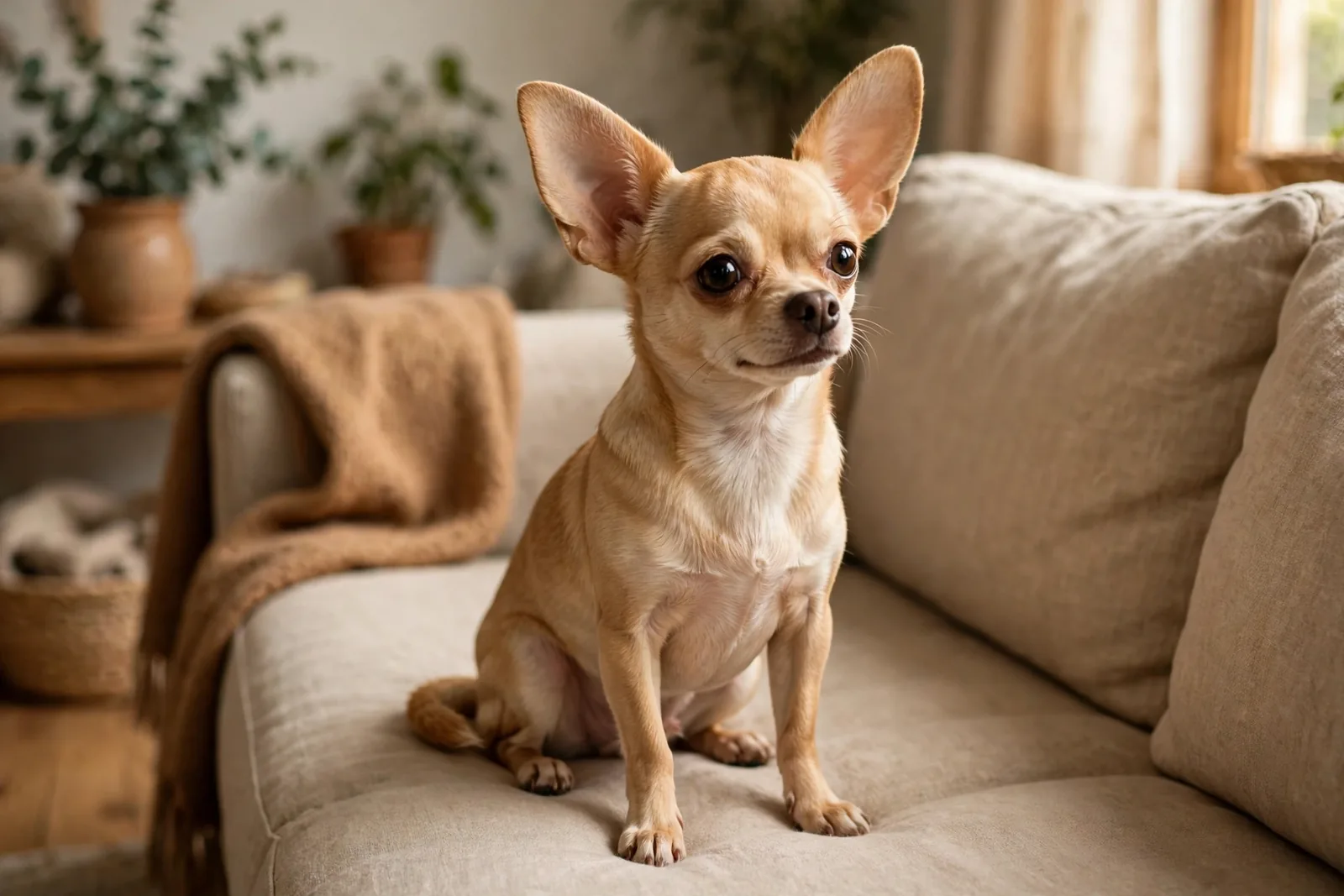
Picture a full-grown dog that weighs less than a bag of sugar, stands about as tall as a paperback book, and can curl up in the palm of your hand — and then picture that same dog strutting across the room like it owns the place. That is the Chihuahua, the smallest dog breed in the world, and one of the oldest breeds in the Americas. Its story stretches back to ancient Mexico, long before the breed had a name at all.
This guide covers the Chihuahua from the beginning — its roots among the Toltec and Aztec peoples, its rediscovery in the Mexican state of Chihuahua in the 1800s, and its rise to become one of the most popular dog breeds in America. It also looks at the breed’s size, its two coat types, its bold personality, and the facts that make it famous.
What Is a Chihuahua?
The Chihuahua is a toy companion dog from Mexico, recognised as the smallest dog breed in the world. The American Kennel Club places it in the Toy Group, and its breed standard calls for a well-balanced little dog not exceeding 6 pounds. Most healthy adults weigh between 3 and 6 pounds and stand 5 to 8 inches tall at the shoulder.
Everything about the Chihuahua is small except its personality. It has an apple-domed head, large luminous eyes, and big erect ears that seem too large for its head. It is alert, confident, and intensely loyal, and it tends to bond most closely with one person in the household. The breed is named after the Mexican state of Chihuahua, where American visitors first found the small dogs in the 1800s.
Origin and History of the Chihuahua
The Chihuahua’s history is one of the longest and most debated in the dog world. Most historians trace its ancestry to the Techichi, a small companion dog kept by the Toltec people of central Mexico as far back as the 9th century. The Toltecs valued these dogs highly, and the later Aztecs kept them too, refining them into smaller, lighter dogs. The link to the Techichi is a tradition rather than a documented pedigree — the Techichi is extinct, and no living dog is proven to descend only from it — but ancient DNA studies do show a pre-Columbian American component in modern Chihuahua ancestry.
The modern breed takes its name from the Mexican state of Chihuahua, the largest state in Mexico. In the 1850s, American travellers in the region found tiny dogs being sold in local markets near the ruins of Casas Grandes, and specimens were carried north into Texas and Arizona. The American Kennel Club formally recognised the breed in 1904, and the first AKC-registered Chihuahua, a dog named Beppie, was recorded in 1908.
From a regional curiosity, the Chihuahua became one of the most consistently popular toy breeds in the United States. The AKC calls it a national symbol of Mexico, and it remains a familiar face among the most popular dog breeds in America to this day.
Size and Appearance
Size is the Chihuahua’s defining feature. At 5 to 8 inches tall and no more than 6 pounds, an adult Chihuahua is smaller than many house cats. The breed standard sets weight, not height, as the rule — a dog over 6 pounds is disqualified in the show ring. The Federation Cynologique Internationale, the international kennel body, regards the Chihuahua as the smallest pedigree dog in the world.
The head is the breed’s most recognisable feature after its size. The apple-domed skull is round and full, with a short muzzle and large, round, luminous eyes set well apart. The ears are large, erect, and held upright, and they give the Chihuahua its alert, attentive expression. The body is compact and well balanced, with a level back and a tail that curves over the back or out to the side.
Chihuahuas come in two coat types, smooth and long, and both are recognised as the same breed. The smooth coat is short, glossy, and close-lying, with a soft undercoat. The long coat is soft and fine, with feathering on the ears, legs, and tail. Both coats come in almost any colour or combination: fawn, black, white, cream, chocolate, blue, red, and brindle, with or without markings.

Chihuahua Colours: Almost Any Colour You Can Imagine
Fawn is the most familiar Chihuahua colour, a warm sandy shade that suits the breed’s sunny nature, but the breed comes in a remarkable range. Black, white, cream, chocolate, blue, and red all appear, and many Chihuahuas wear two or three colours at once — a fawn body with white markings, a black-and-tan coat, or a tri-colour mix of black, white, and tan.
Markings vary just as much. Some Chihuahuas are solid-coloured from nose to tail, while others are marked, splashed, or spotted with white. The long coat shows the colours at their softest, with the feathering on the ears and tail catching the light. Whatever the colour, the breed standard treats all colours and markings as equally acceptable — there is no “correct” Chihuahua colour, only the one that catches your eye.
Personality: Small Dog, Big Confidence
The Chihuahua’s personality is famously larger than its body. Chihuahuas are alert, confident, and quick to speak up, and they carry themselves with a self-assurance that surprises people meeting the breed for the first time. They are loyal to the point of devotion, and they usually choose one favourite person and follow that person everywhere.
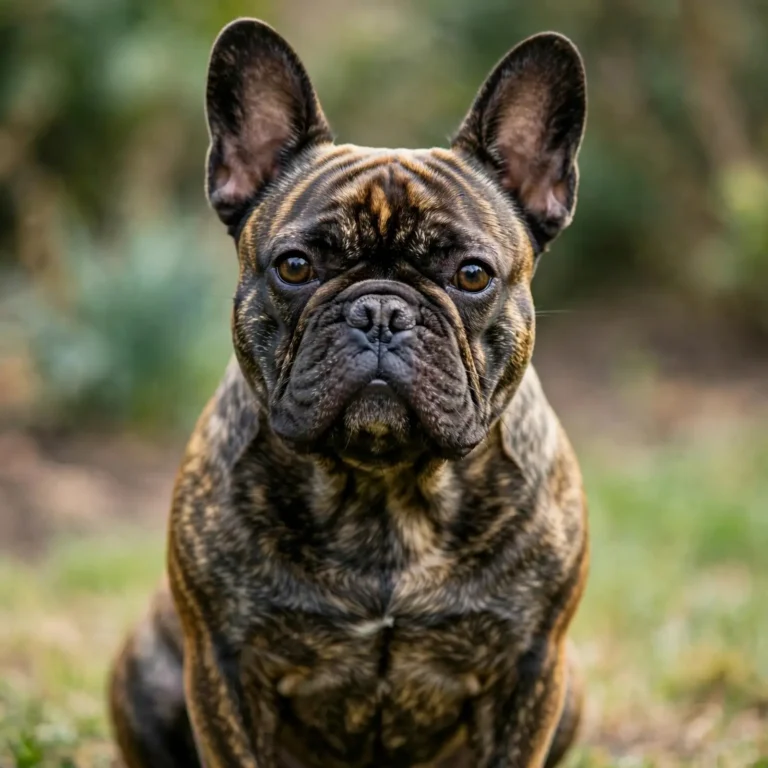
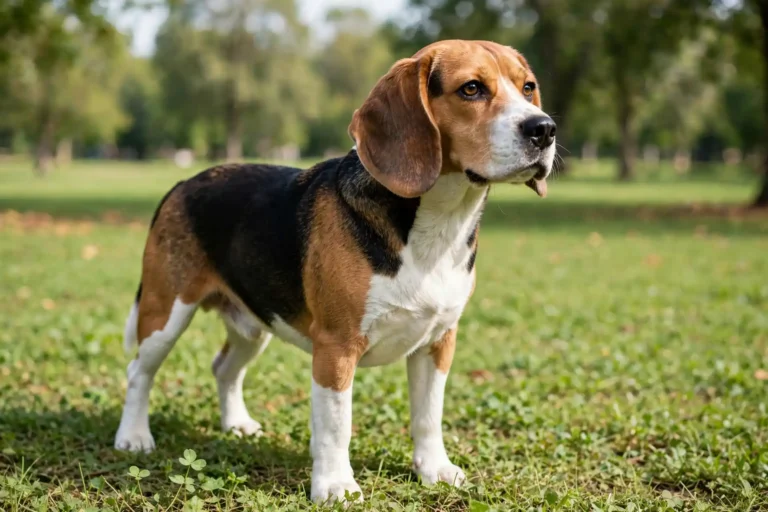
Chihuahuas are playful and energetic, and they enjoy games, short walks, and learning new tricks. They are quick learners and love the attention that comes with a training session, and many Chihuahuas enjoy sunbathing in a warm spot and burrowing under blankets for a nap. They are also watchful, and they will announce visitors loudly — a habit that makes them excellent little watchdogs. Compared with the cheerful, easygoing French Bulldog, the Chihuahua is more intense and more attached to one person. Compared with the merry Beagle, it is calmer indoors and far more of a lap dog.
Chihuahuas do best in a calm home where they are treated as dogs, not as accessories. They enjoy company, routine, and gentle handling, and they reward it with remarkable loyalty.
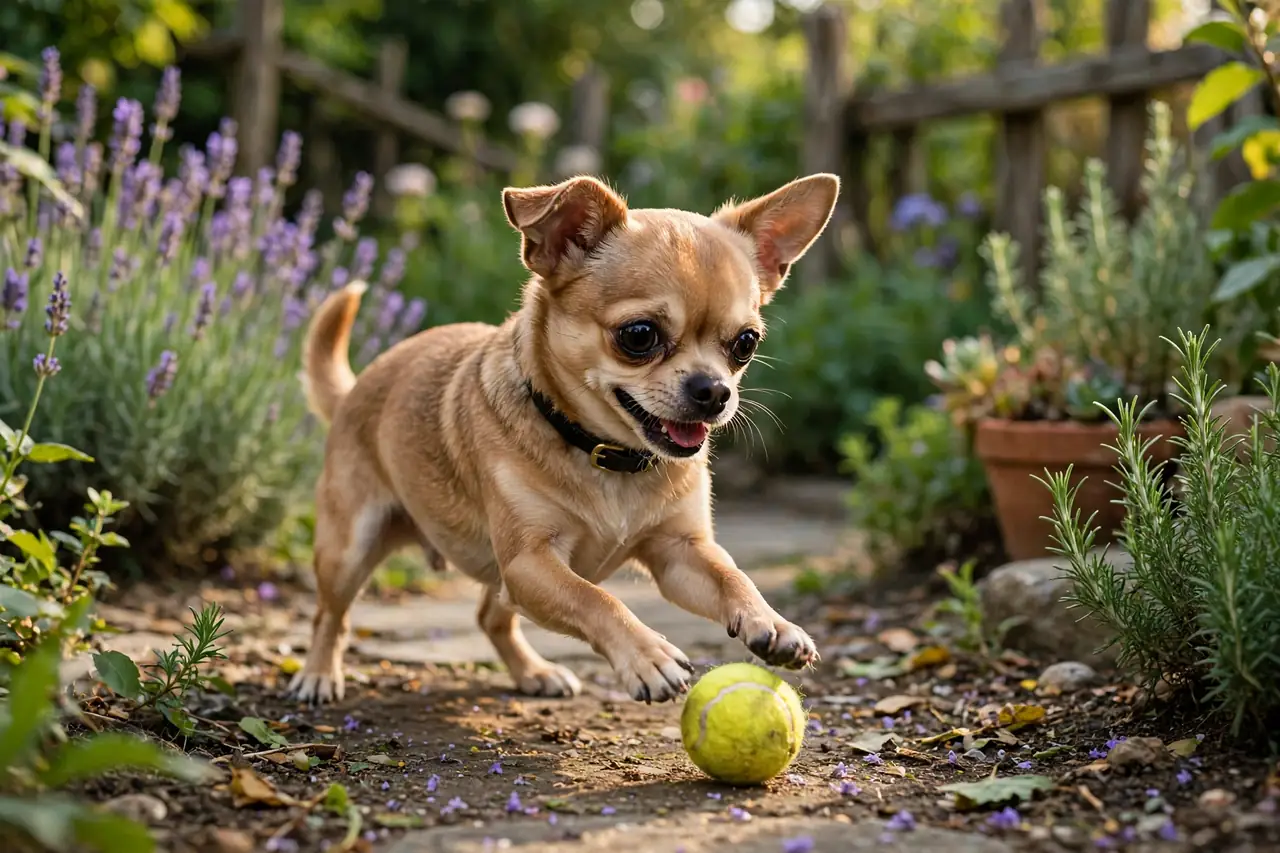
Chihuahua Puppies
Chihuahua puppies are tiny from the very start, with oversized ears and big dark eyes that seem too large for their heads. A puppy explores the world with enthusiasm, investigating new sounds, new objects, and new people, and it bonds quickly with the people around it.
Puppies are playful and social from an early age. They chase small toys, tug at soft ropes, and learn routines quickly. A Chihuahua puppy that grows up with plenty of company, gentle handling, and regular play becomes a confident, steady adult that takes new situations in its stride — see our guide to the best dog breeds for first-time owners for comparisons with other small breeds.
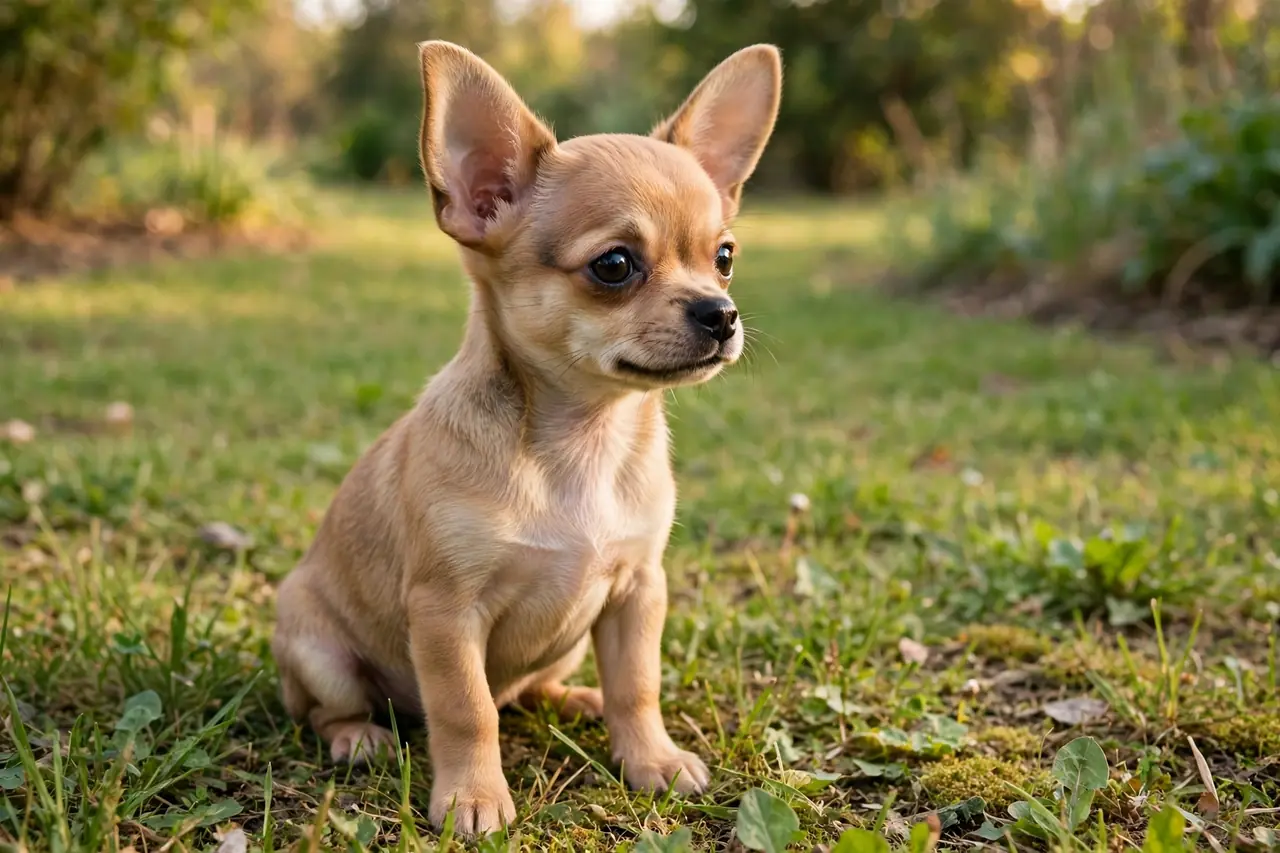
Grooming and Everyday Care
Grooming a Chihuahua is simple and ordinary, and it depends on the coat type. The smooth coat needs only a soft brush once a week or so, and the routine takes a few minutes. The long coat needs more regular brushing to keep the feathering free of tangles, especially behind the ears and on the legs.
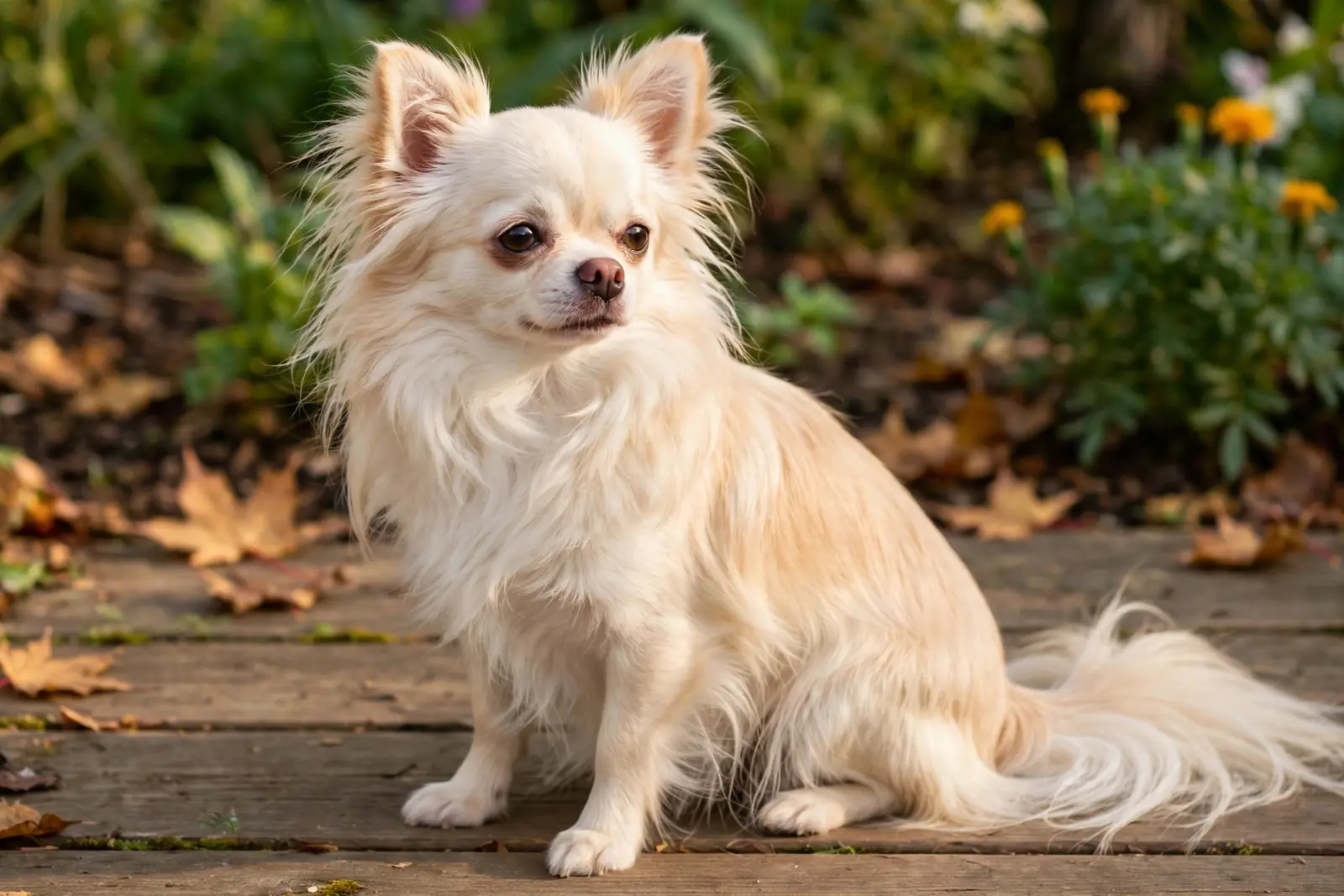
Beyond the coat, everyday care is straightforward. The ears can be checked and gently wiped as part of the regular grooming routine, and the claws can be trimmed as part of ordinary care. A Chihuahua that is brushed regularly and handled gently will enjoy the routine and look forward to it. Chihuahuas do best living inside with their family, where they are warm and comfortable. They need daily walks and play, and they enjoy a soft blanket, a warm spot beside a person, and a place in the middle of family life.
Chihuahua vs Other Small Breeds: A Quick Comparison
| Trait | Chihuahua | French Bulldog | Dachshund | Shih Tzu |
|---|---|---|---|---|
| Size | Smallest breed, 5–8 in, up to 6 lb | Small, 11–13 in, 16–28 lb | Small, 8–9 in, 16–32 lb | Small, 9–10.5 in, 9–16 lb |
| Coat | Smooth or long | Short, smooth | Smooth, long, or wire | Long, flowing |
| Origin | Mexico | France | Germany | Tibet/China |
| Personality | Bold, loyal, devoted to one person | Cheerful, easygoing, adaptable | Curious, brave, playful | Affectionate, calm, friendly |
| Best for | Owners wanting a tiny, devoted companion | Owners wanting a relaxed city dog | Owners wanting a lively small dog | Owners wanting a gentle lap dog |
The Chihuahua is the smallest of the group by a wide margin, and the most attached to a single person. The French Bulldog is the most relaxed, the Dachshund the most adventurous, and the Shih Tzu the most easygoing. Readers browsing our guide to the most popular dog breeds in America will find all four breeds among the familiar favourites.
Interesting Facts About Chihuahuas
- The smallest breed: The Chihuahua is the smallest recognised dog breed in the world, with adults weighing no more than 6 pounds under the AKC standard.
- Ancient roots: Its ancestors, the Techichi, were kept by the Toltec people of central Mexico from the 9th century onward.
- A national symbol: The AKC calls the Chihuahua a national symbol of Mexico.
- The first registered Chihuahua: The first AKC-registered Chihuahua, a dog named Beppie, was recorded in 1908.
- Two coats, one breed: Smooth-coat and long-coat Chihuahuas are the same breed, shown in separate classes.
- The shortest living dog: A Chihuahua named Milly from Puerto Rico is listed by Guinness World Records as the shortest living dog, at 9.65 cm tall.
- No “teacup” variety: The major kennel clubs do not recognise “teacup” Chihuahuas — the breed standard simply sets a maximum of 6 pounds.
- Oldest in the Americas: The AKC counts the Chihuahua among the oldest breeds of the Americas, with a lineage reaching into pre-Columbian times.
Living With a Chihuahua: What to Know
The Chihuahua is a dog for people who want a tiny companion with a huge personality. It will follow its favourite person from room to room, curl up on a lap in the evening, announce visitors at the door, and play with a small ball until it is tired. It does not ask for a large house or long walks — it asks for company, warmth, and a place in the middle of family life. Its small size also suits apartment living, where a short walk and a play session are often enough to keep it happy.

Compare the Chihuahua with other small favourites in our guide to the most popular dog breeds in America, see how it suits new owners in our guide to the best dog breeds for first-time owners, and browse the Dogs & Puppies section to keep exploring.
Related Reading on MyPetsMyLove
- Most popular dog breeds in America
- French Bulldog guide
- Dachshund guide
- Dogs & Puppies hub page
- MyPetsMyLove homepage
- About Us page
References
- American Kennel Club (AKC) — Chihuahua breed standard, history, and profile
- Federation Cynologique Internationale (FCI) — Chihuahua breed standard
- Encyclopaedia Britannica — Chihuahua breed information
Frequently Asked Questions
What is the smallest dog breed in the world?
The Chihuahua is the smallest recognised dog breed in the world. The AKC breed standard calls for a dog not exceeding 6 pounds, and most healthy adults weigh between 3 and 6 pounds and stand 5 to 8 inches tall at the shoulder.
Where did the Chihuahua come from?
The Chihuahua’s ancestors are the Techichi, small companion dogs kept by the Toltec people of central Mexico from the 9th century onward. The modern breed takes its name from the Mexican state of Chihuahua, where American visitors found the small dogs in the 1850s.
When was the Chihuahua recognised as a breed?
The American Kennel Club formally recognised the Chihuahua in 1904, and the first AKC-registered Chihuahua, a dog named Beppie, was recorded in 1908.
What is the difference between a smooth-coat and a long-coat Chihuahua?
They are the same breed in two coat varieties. The smooth coat is short, glossy, and close-lying, while the long coat is soft and fine with feathering on the ears, legs, and tail. Both come in almost any colour.
How large do Chihuahuas grow?
Adult Chihuahuas stand 5 to 8 inches tall at the shoulder and weigh no more than 6 pounds under the AKC standard. The breed standard sets weight, not height, as the rule.
What is a Chihuahua puppy like?
Chihuahua puppies are tiny from the start, with oversized ears and big dark eyes. They are playful and social from an early age, and they bond quickly with the people around them.
How do you groom a Chihuahua?
Grooming is simple and ordinary. The smooth coat needs only a soft brush once a week or so, while the long coat needs more regular brushing to keep the feathering free of tangles. The ears can be checked and gently wiped as part of the regular routine.
Conclusion
The Chihuahua is the smallest dog breed in the world, and one of the oldest breeds in the Americas. From the Techichi dogs of the Toltec people to the markets of the Mexican state of Chihuahua in the 1850s, and from AKC recognition in 1904 to the shortest living dog on record, this tiny breed carries a history far bigger than its body — and a personality to match.
If you want a devoted little companion that follows its favourite person everywhere, the Chihuahua is hard to beat. Compare it with other small favourites in our guide to the most popular dog breeds in America, explore the Dogs & Puppies section, and start from the MyPetsMyLove homepage to meet more breeds worth knowing.
Disclaimer
Disclaimer
MyPetsMyLove dot com is an independent informational website covering pet species breeds characteristics activities positive training bonding grooming and responsible ownership
We are not a veterinary clinic medical provider pet food provider or veterinary nutrition service
We do not provide veterinary diagnosis medical advice treatment food recommendations or nutritional guidance
For pet health medical or food related concerns consult a qualified veterinarian or appropriate professional directly
Independent clinics listed on this website are not owned or operated by MyPetsMyLove unless explicitly stated
Verify third party credentials services fees and availability independently
We do not guarantee third party services or outcomes
To the extent permitted by applicable law we disclaim responsibility for independent third party services
Nothing in this notice excludes liability that cannot legally be excluded
The disclaimer does not make prohibited content acceptable
2 Comments