Shih Tzu: Discover the History of This Royal Companion Dog
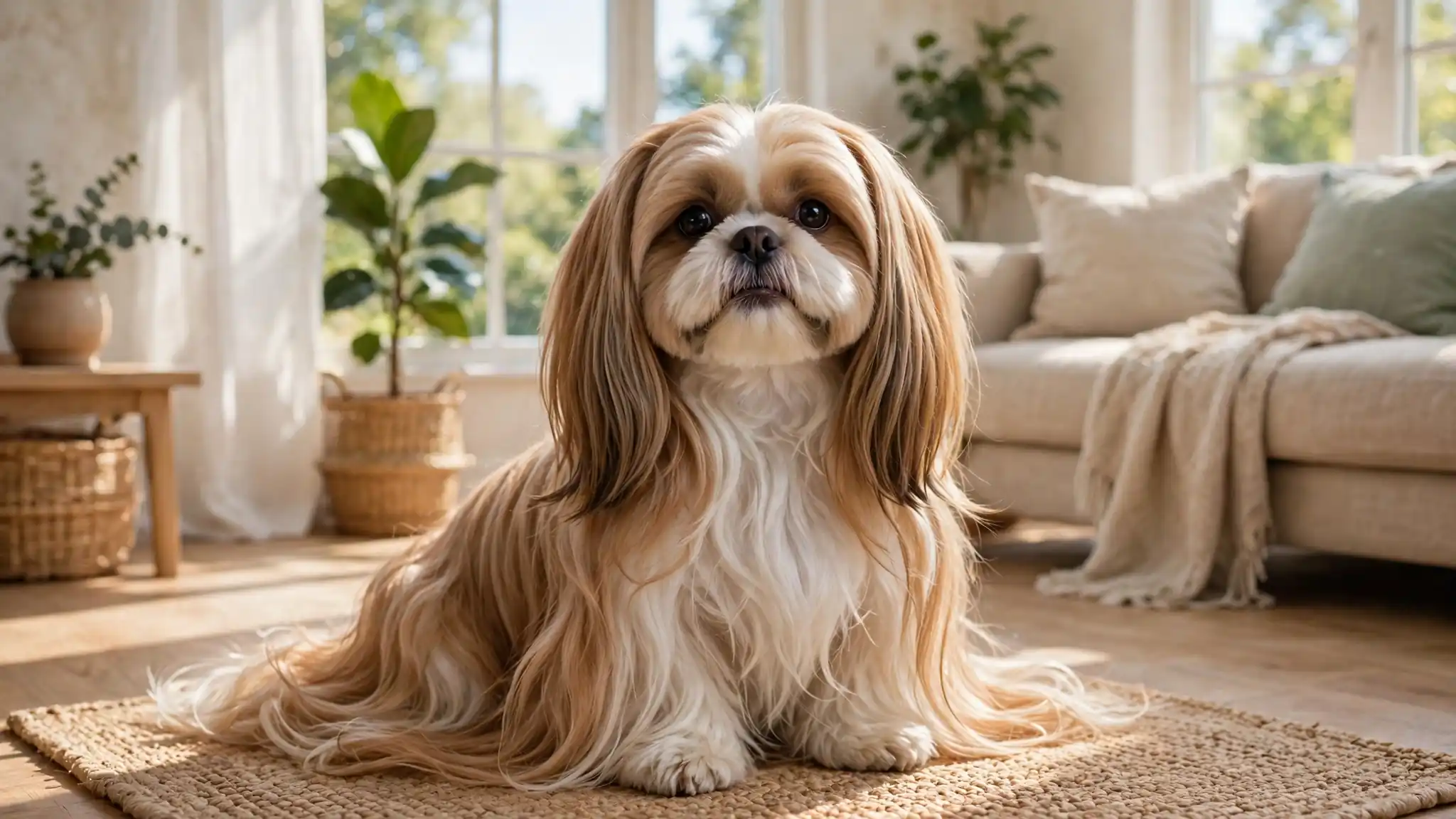
Few small dogs carry as much history as the Shih Tzu. With a long, flowing coat, a round face, and a confident, friendly manner, this little dog looks like it belongs in a palace — and for much of its history, that is exactly where it lived. The name Shih Tzu means “lion dog,” a name that fits a breed prized for its lion-like appearance and its place beside Chinese royalty. This guide traces its royal history, looks, size, and companion personality.
Origin and History of the Shih Tzu
The Shih Tzu story begins with lion-like dogs from Tibet. Those dogs were given to Chinese royalty as gifts, and the breed was developed and refined at the Chinese imperial court. The dogs were palace companions, kept close to the people of the court and valued for their appearance and their company.
The Shih Tzu was associated with Chinese royalty during the Ming Dynasty, which ran from 1368 to 1644. At court, eunuchs raised the palace dogs, and the dogs lived within the palace world. The long coat, the proud carriage, and the calm confidence of the breed all belong to that setting.
In the late 1800s and early 1900s, Empress Dowager Cixi ran a breeding program for the palace dogs. When she died in 1908, the palace world that had supported the breed began to fall apart, and the Shih Tzu nearly disappeared in China.
What saved the Shih Tzu was a very small group of dogs. The entire modern gene pool descends from just 14 dogs, according to the American Shih Tzu Club’s breed history. That single fact tells the story of how close the breed came to vanishing, and how much of today’s Shih Tzu population traces back to that small foundation.
The first imports to the West carried the breed out of China and into new homes. Dogs reached England, where Lady Brownrigg was among the early importers, as well as Ireland and Norway, where Mme. Henrik Kauffman was an early importer. These first imports were the bridge between the palace dogs of China and the Shih Tzu known around the world today.
Recognition followed, step by step, as the breed became established outside China. The Kennel Club in the United Kingdom granted championship status in 1940, and the breed had been recognized separately from the Lhasa Apso in the 1930s. That separation mattered: recognising the Shih Tzu as its own breed gave it a clear place in the dog world, with its own standard and its own history.
In the United States, the American Kennel Club placed the Shih Tzu in the Miscellaneous Class in 1955. Full recognition came later: the AKC officially recognized the breed on April 1, 1969, and championship competition in the Toy Group began on September 1, 1969. From a palace companion in China to a Toy Group breed in America, the Shih Tzu had completed a long journey.
The Coat: Long, Flowing, and Full of Colour
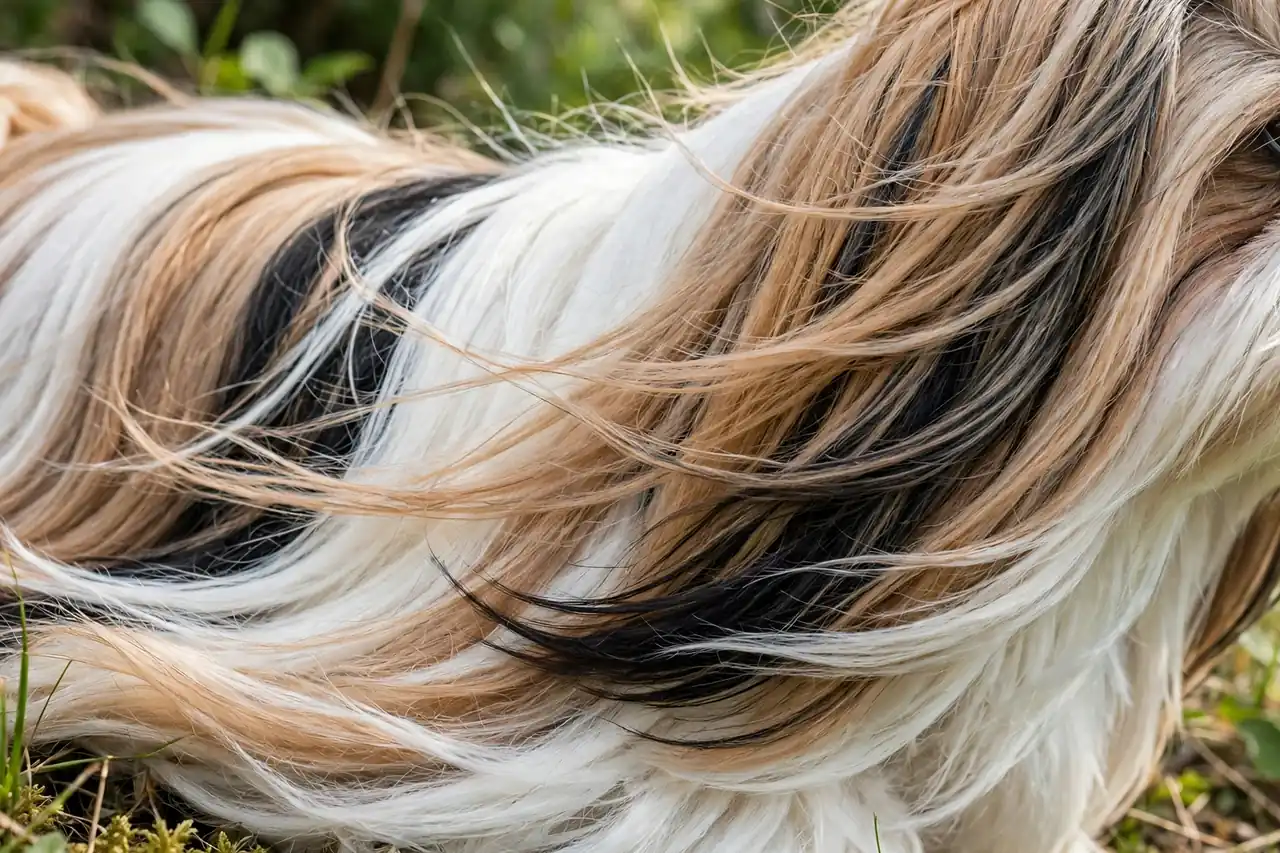
The Shih Tzu coat is the first thing most people notice, and it is the breed’s most famous feature. It is a long, flowing double coat that falls over the body and gives the dog a graceful, almost regal outline. When the coat is kept long, it moves as the dog moves, and it frames the face and the body in a way that no short-coated small dog can match.
The coat comes in many colours and markings. That variety is part of the breed’s appeal: two Shih Tzus can look quite different from one another while still showing the same long coat, the same shape, and the same proud carriage.
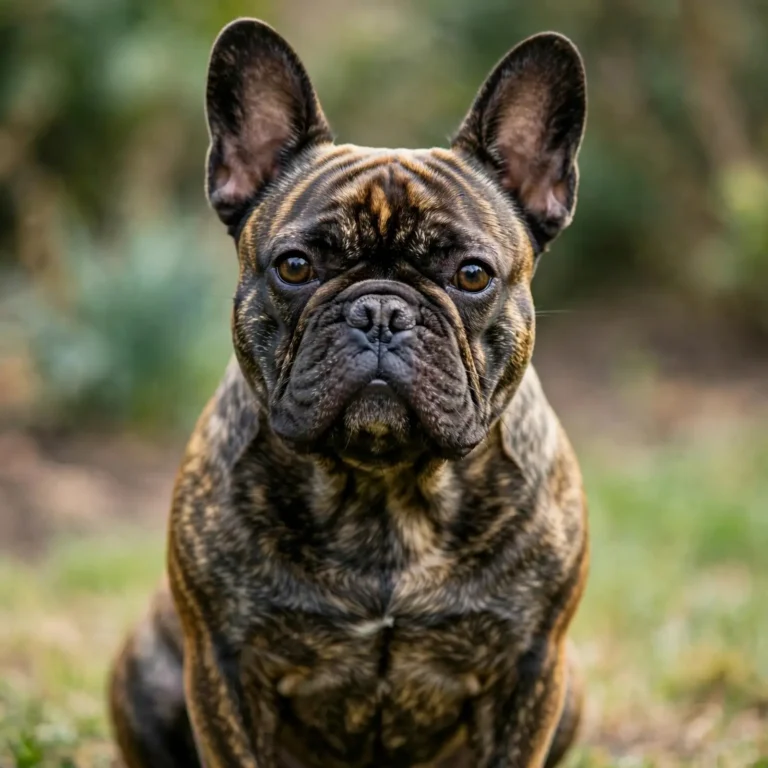
Compared with a short-coated breed like the French Bulldog, whose smooth coat shows the shape of the body directly, the Shih Tzu presents a softer, fuller outline. Readers browsing our guide to the most popular dog breeds in America will spot the Shih Tzu at once.
Appearance: Small, Sturdy, and Proud
The Shih Tzu is a small dog with a sturdy build. According to the AKC standard, it stands 9 to 10.5 inches at the shoulder and weighs 9 to 16 pounds. That size puts it firmly among the small companion breeds, yet it does not look fragile.
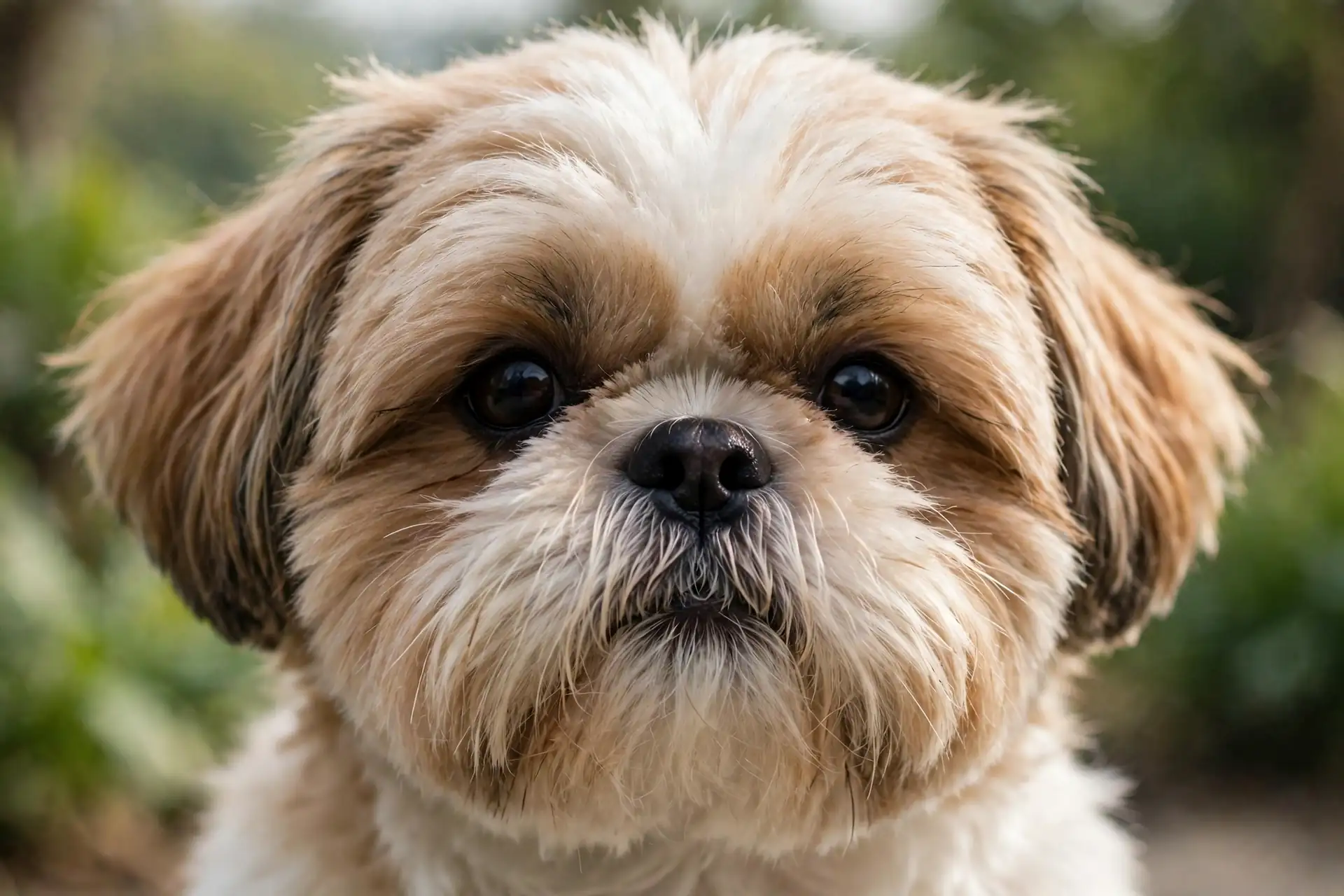
The head is round and broad, with a short muzzle and dark, round eyes that give the breed a warm, sweet expression. The ears hang down and blend into the long coat, and the tail is carried over the back in a plume, adding to the breed’s proud outline.
That proud carriage is a direct link to the breed’s palace past. A Shih Tzu walks with a steady, confident step, as if it still expects a palace floor beneath its feet. The size makes it easy to carry and easy to keep close.
Personality: Affectionate, Playful, and Outgoing
If the Shih Tzu looks like a palace dog, its personality is just as memorable. Shih Tzus are affectionate, playful, and outgoing, and they are famously people-oriented. A Shih Tzu does not just live in the same house as its owners — it wants to be with them, sitting beside them and following them from room to room.
This is a companion breed through and through. The Shih Tzu was bred as a palace companion, not a working dog, and that purpose still shows in everything it does. It was bred to keep company, to sit close, and to be part of the household, and it still seeks out company above all else.
Play is a big part of a Shih Tzu’s day. These dogs love interactive games — a small ball rolled across the floor, a gentle game of chase, a toy offered and retrieved — and they stay playful well into adulthood. They are curious and lively, quick to investigate a new object or a new corner of the house, and they enjoy games that involve their people rather than toys left alone in a corner.
The breed is also outgoing with visitors. A Shih Tzu is more likely to greet a guest than to hide from one, and its friendly manner makes it an easy dog to have around the house. It is sturdy in spirit as well as in build, with a confidence that comes from centuries of living close to people.

Shih Tzu Puppies: Small, Fluffy, and Curious
Shih Tzu puppies are small, fluffy, and full of curiosity. Their coats are soft at first, and their round faces and dark eyes give them an endearing look from the start. A puppy explores the world with enthusiasm, investigating new sounds, new objects, and new people.
Puppies are playful and social from an early age. They chase, pounce, and investigate everything in reach, and they bond quickly with the people around them. A Shih Tzu puppy that grows up with plenty of company and gentle interactive play becomes a confident, social adult — one that greets visitors rather than hiding from them.
Like adults, puppies love closeness — a soft blanket, a warm lap, a spot beside a person on the sofa — and will often choose to sleep curled against a person rather than alone. That closeness is the heart of the breed’s appeal: a Shih Tzu puppy does not just want a home, it wants company.

Grooming and Everyday Care
Shih Tzu grooming centres on the long coat, and the routines are simple and ordinary. Regular brushing keeps the long, flowing double coat free of tangles and looking its best, and it is a good time to spend close with the dog. Owners who brush little and often soon learn the rhythm that suits their own Shih Tzu.
The face needs regular attention, too. The hair around the eyes and muzzle can be kept neat and out of the way, and a gentle wipe of the face as part of the regular grooming routine keeps it clean.
Some owners keep the coat long and flowing, while others choose a shorter trim that is easier to brush. Either way, the grooming routine stays the same at heart: regular brushing, a neat face, and a clean, comfortable coat. Beyond grooming, a Shih Tzu needs daily interactive play, company, and a home that welcomes a dog who wants to be part of everything — more togetherness than the independent Siberian Husky or the energetic German Shepherd.
Shih Tzu vs Other Popular Breeds: A Quick Comparison
The Shih Tzu stands out for its coat and its palace history, but how does it compare with other reader favourites? Here is a side-by-side look:
| Trait | Shih Tzu | French Bulldog | Poodle | Beagle |
|---|---|---|---|---|
| Size | 9–10.5 inches, 9–16 pounds | Small, compact companion | Small to large | Medium, sturdy scent hound |
| Coat | Long, flowing double coat | Short, smooth coat | Curly coat | Short, dense coat |
| Origin | Tibet and China, imperial court | France, companion breed | Germany and France | England, scent hound |
| Personality | Affectionate, playful, outgoing | Affectionate, playful, adaptable | Clever, active, people-oriented | Friendly, curious, merry |
| Best for | Owners wanting a small royal companion | Owners wanting a compact city companion | Owners wanting a clever, active companion | Owners wanting a friendly, curious companion |
The French Bulldog shares the Shih Tzu’s love of company and its compact size, but wears a short smooth coat. The Poodle offers a curly coat and a clever, active nature, while the Beagle brings a scent-hound background and a curious, merry manner. The Shih Tzu is the most palace-bred of the four, and the only one whose history runs through the Chinese imperial court.
Interesting Facts About Shih Tzus
- A name that means “lion dog”: The name Shih Tzu means “lion dog,” a name that fits a breed prized for its lion-like appearance.
- A gift from Tibet: Lion-like dogs from Tibet were given to Chinese royalty as gifts, and the breed was developed and refined at the Chinese imperial court.
- A Ming Dynasty favourite: The Shih Tzu was associated with Chinese royalty during the Ming Dynasty, which ran from 1368 to 1644, and court eunuchs raised the palace dogs.
- An empress’s breeding program: Empress Dowager Cixi ran a breeding program for the palace dogs in the late 1800s and early 1900s, and she died in 1908.
- Nearly lost, then saved: After Cixi died in 1908, the breed nearly disappeared in China, and the entire modern gene pool descends from just 14 dogs.
- First imports to the West: The first imports reached England, Ireland, and Norway, with Lady Brownrigg an early importer in England and Mme. Henrik Kauffman an early importer in Norway.
- A separate breed at last: The Shih Tzu was recognized separately from the Lhasa Apso in the 1930s, and the Kennel Club in the United Kingdom granted championship status in 1940.
- AKC recognition in 1969: The AKC placed the breed in the Miscellaneous Class in 1955, officially recognized it on April 1, 1969, and championship competition in the Toy Group began on September 1, 1969.
Living With a Shih Tzu: What to Know
The Shih Tzu is a dog for people who want a companion, not just a pet. It follows its owners, greets them like a friend, and settles happily into a lap.
If you love small dogs with big histories, compare the Shih Tzu with other breeds in our most popular dog breeds in America guide, see how it stacks up for new owners in our guide to the best dog breeds for first-time owners, and browse the Dogs & Puppies section.

Related Reading on MyPetsMyLove
- Most popular dog breeds in America
- Siberian Husky guide
- Beagle guide
- Dogs & Puppies hub page
- MyPetsMyLove homepage
- About Us page
References
- American Kennel Club (AKC) — Shih Tzu breed standard and history
- Encyclopaedia Britannica — Shih Tzu breed information
Frequently Asked Questions
Where did the Shih Tzu come from?
The Shih Tzu comes from Tibet and China. Lion-like dogs from Tibet were given to Chinese royalty as gifts, and the breed was developed and refined at the Chinese imperial court. The name Shih Tzu means “lion dog.”
What does Shih Tzu mean?
Shih Tzu means “lion dog.” The name fits a breed prized for its lion-like appearance and its place beside Chinese royalty.
How large does a Shih Tzu grow?
According to the AKC standard, a Shih Tzu stands 9 to 10.5 inches at the shoulder and weighs 9 to 16 pounds. It is a small, sturdy companion breed.
What is a Shih Tzu’s coat like?
The Shih Tzu has a long, flowing double coat in many colours and markings. The coat is the breed’s most famous feature and gives the dog a graceful, regal outline.
Are Shih Tzus good for first-time owners?
They can be, for owners who want an affectionate, playful, outgoing companion and who enjoy a small dog that follows them around and settles into a lap. Shih Tzus need regular brushing as part of their ordinary grooming routine. See our guide to the best dog breeds for first-time owners for comparisons.
What is a Shih Tzu puppy like?
Shih Tzu puppies are small, fluffy, and curious, with soft coats, round faces, and dark eyes. They are playful and social from an early age, bond quickly with the people around them, and love warm laps and close company.
When was the Shih Tzu recognized by the AKC?
The AKC placed the Shih Tzu in the Miscellaneous Class in 1955, officially recognized the breed on April 1, 1969, and championship competition in the Toy Group began on September 1, 1969. The Kennel Club in the United Kingdom had granted championship status earlier, in 1940.
Conclusion
The Shih Tzu began as a lion-like gift from Tibet, became a palace companion at the Chinese imperial court, nearly disappeared after Empress Dowager Cixi died in 1908, and survived through just 14 dogs to become a beloved companion around the world. With a long, flowing coat, a small sturdy build of 9 to 16 pounds, and an affectionate, playful, outgoing nature, it is a dog that looks like royalty and acts like a friend.
If you want a companion that will follow you from room to room, play with you, and curl up warm on your lap, the Shih Tzu is hard to beat. Compare it with other remarkable breeds in our most popular dog breeds in America guide, explore the Dogs & Puppies section, and start from the MyPetsMyLove homepage to meet more breeds worth knowing.
Disclaimer
Disclaimer
MyPetsMyLove dot com is an independent informational website covering pet species breeds characteristics activities positive training bonding grooming and responsible ownership
We are not a veterinary clinic medical provider pet food provider or veterinary nutrition service
We do not provide veterinary diagnosis medical advice treatment food recommendations or nutritional guidance
For pet health medical or food related concerns consult a qualified veterinarian or appropriate professional directly
Independent clinics listed on this website are not owned or operated by MyPetsMyLove unless explicitly stated
Verify third party credentials services fees and availability independently
We do not guarantee third party services or outcomes
To the extent permitted by applicable law we disclaim responsibility for independent third party services
Nothing in this notice excludes liability that cannot legally be excluded
The disclaimer does not make prohibited content acceptable