
Catnip Toys vs Silvervine Toys: Key Differences Explained

Walk down the cat toy aisle and you will find two plants doing most of the work: catnip and silvervine. Both are sold stuffed into plush mice, pressed into balls, and sprinkled into toys — and both can turn a lazy afternoon into a rolling, rubbing, bunny-kicking play session. Yet they are different plants, with different active compounds, and they do not attract the same cats.
This guide compares catnip toys and silvervine toys directly: what each plant is, how the toys are made, which cats respond, how cats play with each, and how to choose between them. For the bigger picture on feline play, start with our best cat toys guide.
What Is Catnip?
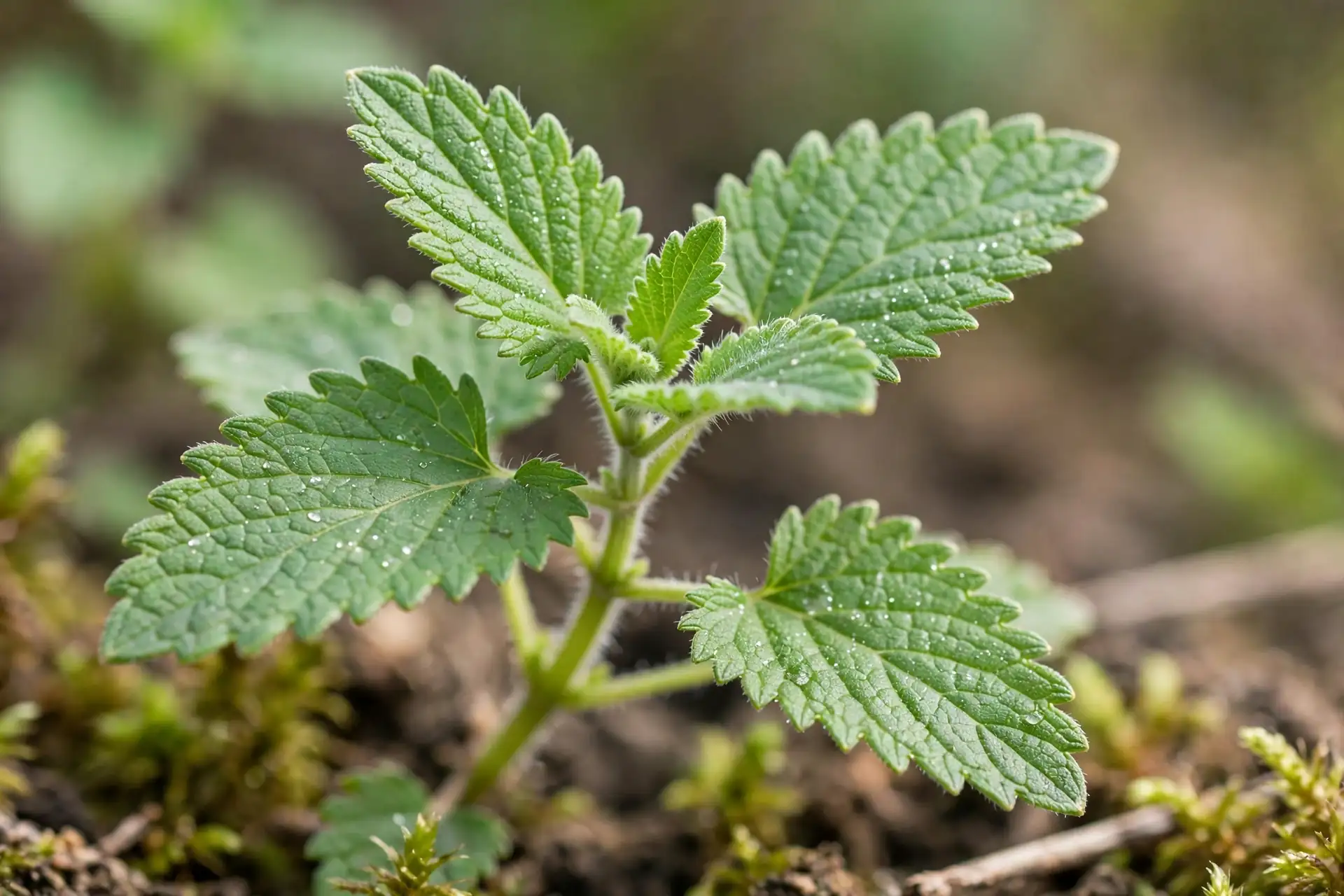
Catnip (Nepeta cataria) is a herb in the mint family, native to Europe and Central Asia and now grown widely around the world. Its leaves and flowers contain a compound called nepetalactone, which is what makes catnip toys interesting to cats. When a cat sniffs a catnip toy, nepetalactone binds to scent receptors in the nose — and in cats that respond, the result is a burst of playful behavior: rolling, rubbing, cheek-rubbing, pouncing, and bunny-kicking the toy.
Not every cat responds. Sensitivity to nepetalactone is inherited, and roughly half to three-quarters of cats show a response — the Cornell Feline Health Center puts the figure at approximately 50–75%, while a 2017 study of 100 domestic cats (Bol et al., published in BMC Veterinary Research) found about 68% responded. Kittens under three to six months old typically do not respond, with sensitivity developing as they mature. A cat that ignores a fresh catnip toy is not broken — it simply did not inherit the response.
The effect is also short-lived. In the cats that do respond, the playful phase typically lasts around 10 to 15 minutes, after which the cat usually loses interest for a while before responding again. That short window is part of why rotation matters: a catnip toy put away for a few days often feels new again.

What Is Silvervine?
Silvervine (Actinidia polygama), known as matatabi in Japan, is a climbing vine in the kiwi family, native to the mountainous regions of East Asia. It has been used in cat enrichment in Japan for centuries, and it has become the best-known alternative to catnip in the West. Silvervine works through different compounds: mainly nepetalactol and actinidine, with a related compound called dihydroactinidiolide also involved. Because the compounds differ from catnip’s nepetalactone, silvervine can attract cats that ignore catnip entirely.
The numbers tell the story. In the same 2017 study of 100 domestic cats, about 79% responded to silvervine, compared with about 68% for catnip — and of the 31 cats that ignored catnip, 22 (about 71%) still responded to silvervine. Other summaries put the silvervine response rate at roughly 80%. The play behaviors look familiar — rolling, rubbing, and cheek-rubbing — and the effect typically lasts around 10 to 30 minutes, somewhat longer than catnip’s usual window.
Researchers have also studied why cats rub against these plants at all: a 2021 study in Science Advances found that rubbing transfers nepetalactol onto the cat’s fur, which the researchers observed repels mosquitoes.
Catnip vs Silvervine at a Glance
Here is the comparison in one place:
| Feature | Catnip | Silvervine |
|---|---|---|
| Plant | Nepeta cataria (mint family) | Actinidia polygama (kiwi family) |
| Active compounds | Nepetalactone | Nepetalactol, actinidine, dihydroactinidiolide |
| Cats that respond | About 68% (Bol et al. 2017); roughly 50–75% overall | About 79–80% |
| Works for catnip non-responders | No | Yes — about 71% of them |
| Typical play duration | Around 10–15 minutes | Around 10–30 minutes |
| Common toy forms | Stuffed mice, balls, kickers, mats, sprays | Chew sticks, gall fruit powder, gall fruit balls, stuffed toys |
| Availability | Very widely available, easy to grow at home | Growing availability, mostly imported |
The pattern is clear: catnip is the classic, widely available option that works for roughly two out of three cats, while silvervine reaches more cats — including most of the cats catnip leaves out.
Types of Catnip Toys
Catnip toys come in more forms than most owners realize, and the form changes how a cat plays:
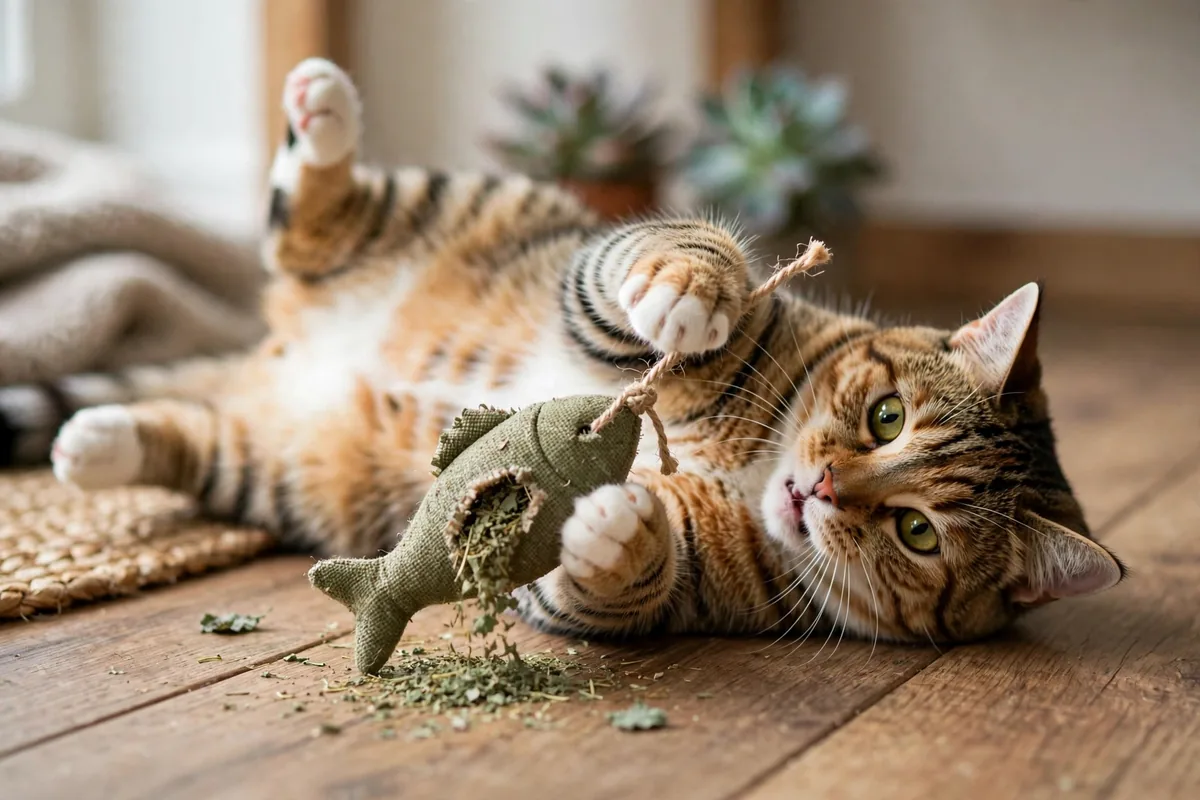
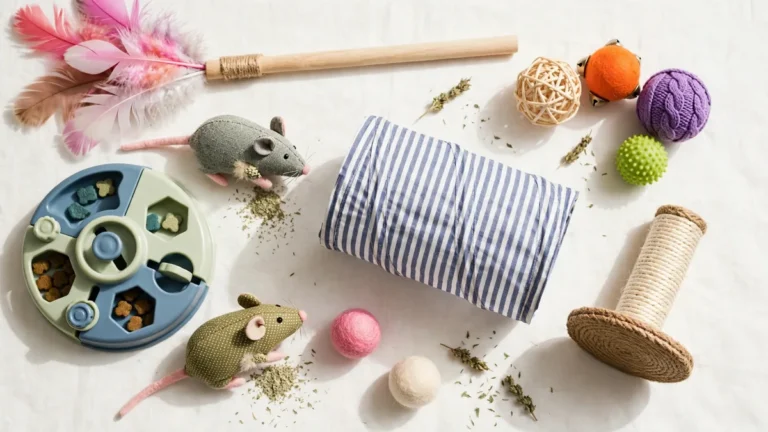
- Stuffed mice and plush toys: the classic catnip toy — a fabric mouse or fish filled with dried catnip leaves and flowers. Cats carry them, bunny-kick them, and rub their faces on them.
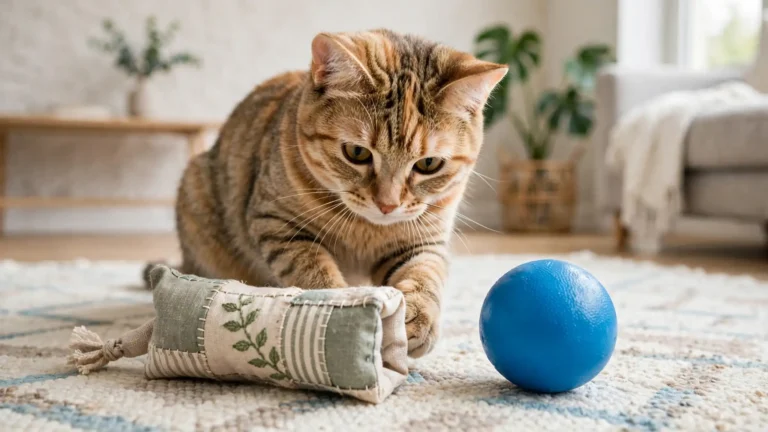
- Balls: lightweight balls with catnip inside or infused into the material. These combine the chase of a rolling toy with the plant’s appeal — see our guide to the best interactive ball toys for indoor cats for the rolling-toy side of the story.
- Kicker toys: long, sturdy toys designed for the hind-leg bunny-kick. The length gives the cat something substantial to grab and wrestle.
- Mats and pads: flat mats infused or sprinkled with catnip, giving the cat a surface to roll on.
- Sprays: liquid catnip spray for refreshing an older toy or applying to a scratching post. Sprays are the least durable form — the scent fades fastest — but they are useful for reviving a favorite toy.
Dried catnip quality varies: fresher, greener leaf with visible flower buds tends to carry more of the active compound than old, brown, dusty material. Storing catnip toys in a sealed container between play sessions helps preserve their appeal.
Types of Silvervine Toys
Silvervine toys are newer to Western shelves, and their forms reflect the plant’s different parts:
- Chew sticks: the simplest and most popular form — short lengths of silvervine wood, sometimes with the bark partly stripped. Cats chew, lick, and rub them. Sticks are the mildest form, since the active compounds are less concentrated in the wood than in the fruit.
- Gall fruit powder: a fine powder made from the plant’s gall fruit, which carries the highest concentration of active compounds. It is sold in small pouches for sprinkling on toys or scratching posts.
- Gall fruit balls: compressed balls of gall fruit material that cats can bat, carry, and chew. These are among the most potent silvervine toy forms.
- Stuffed toys with silvervine filling: plush toys filled with a silvervine blend instead of (or alongside) catnip, made for cats that ignore catnip toys.
Because silvervine forms vary so much in strength — sticks are mild, gall powder is strong — the same cat can react very differently to two silvervine products. If a cat ignores a silvervine stick, a gall fruit ball may still get a reaction.

How Cats Play With Each
The observable play is similar for both plants, and it follows a recognizable sequence: sniff, lick, rub the cheek, roll on the back, bunny-kick, and finally flop or wander off. The differences are in intensity and style rather than in the moves themselves.
Cats that respond to catnip often play in short, intense bursts — a few minutes of wild rolling and kicking, then disinterest. Silvervine responses often look more sustained and relaxed: longer rolling sessions, more cheek-rubbing, and a dreamier, sprawled-out posture. These are tendencies, not rules — individual cats vary enormously, and some cats prefer catnip’s sharper burst.
Very young kittens typically do not respond to catnip, and their response to silvervine is also less consistent — for kittens, simple rolling toys and interactive cat toys that invite chasing are usually a better starting point.

Materials, Sizes, and Durability Compared
The materials tell you a lot about how long a toy will last and which cat it suits:
- Fabric and plush: the standard for stuffed catnip and silvervine toys. Soft, easy to carry, and good for bunny-kicking — but determined chewers can tear seams, so inspect plush toys regularly and replace torn ones.
- Felt and wool: quieter, softer options that suit gentle players and kittens. Felt balls and mice are light and easy to bat.
- Wood (silvervine sticks): naturally durable and satisfying to chew, but they splinter eventually — discard sticks that have been chewed down to sharp fragments.
- Crinkle and noise materials: some catnip balls add crinkle film or internal bells. These entertain sound-motivated cats but can grate during late-night play sessions.
- Size: most plant-filled toys run 3 to 6 inches — large enough to grab and kick, small enough to carry. Very small toys (under about an inch) are best avoided for enthusiastic players.
As with all cat puzzle toys and enrichment items, the practical rule is simple: match the toy’s sturdiness to the cat’s play style, and check every toy regularly for wear.
Choosing the Right Toy for Your Cat
A few honest questions make the choice clearer:
- Does your cat respond to catnip? If yes, catnip toys are the easy, widely available choice — and the cheapest to replace. If your cat ignores catnip, silvervine is the obvious next try: about seven in ten catnip non-responders react to it.
- Is your cat a chewer or a batter? Chewers do well with silvervine sticks and sturdy kickers; batters prefer balls and track toys they can swat without catching.
- Do you want a quiet toy? Felt and plush toys are quiet; crinkle balls and bells are not.
- How much do you want to spend? Catnip toys are generally less expensive and easier to find; silvervine products cost more, so start with one small item.
- Does your cat prefer solo or interactive play? Plant-filled toys shine as solo enrichment; for interactive sessions, pair them with wand toys.
Limitations and Sensible Precautions
Plant-filled toys are simple, but a few precautions keep play safe and fun:
- Supervise play with any new toy, especially chew sticks and toys with small parts, and inspect toys regularly for wear — discard balls with torn coverings, cracked shells, or loose parts.
- Match the toy to the player. Heavy chewers need sturdier designs; tiny, light toys suit gentle batters and kittens.
- Rotate the selection. Put out one or two plant toys at a time and swap them every few days. A returning toy often feels new again, and rotation keeps the novelty that makes these toys work.
- Store plant material properly. Keep dried catnip and silvervine powder in sealed containers away from light and moisture, so the scent stays strong between play sessions.
- Do not expect miracles. No toy replaces human interaction — plant toys are at their best as part of a routine that includes daily interactive play with you.
Which One Should You Try First?
If your cat already loves catnip, there is no need to switch — catnip toys are cheaper, easier to find, and your cat has already voted. If your cat ignores catnip, silvervine is the clear next step: it reaches most of the cats catnip misses, and a single silvervine stick or gall fruit ball is an inexpensive test. Many owners end up keeping both — catnip for the cats that love it, silvervine for the ones that do not — and letting each cat’s preferences decide.
To keep building your cat’s toy collection, explore our best cat toys guide, compare automatic vs manual cat toys, and browse the Pets Products section for more enrichment ideas.
Related Reading on MyPetsMyLove
- Best cat toys guide
- Interactive cat toys guide
- Best interactive ball toys for indoor cats
- Pet Products hub page
- MyPetsMyLove homepage
- About Us page
References
- The Humane Society of the United States — cat enrichment and play guidance
- American Association of Feline Practitioners (AAFP) — feline environmental enrichment resources
Frequently Asked Questions
What is the difference between catnip and silvervine?
Catnip (Nepeta cataria) is a mint-family herb whose active compound is nepetalactone. Silvervine (Actinidia polygama) is a kiwi-family vine whose active compounds are mainly nepetalactol and actinidine. They trigger similar rolling and rubbing play through different compounds, and silvervine reaches more cats.
Do silvervine toys work for cats that ignore catnip?
Often, yes. In a 2017 study of 100 domestic cats, about 71% of the cats that ignored catnip still responded to silvervine. Because the plants work through different compounds, a cat that lacks the catnip response can still react to silvervine.
How long do catnip and silvervine effects last?
The playful phase typically lasts around 10 to 15 minutes for catnip and around 10 to 30 minutes for silvervine. Afterward, cats usually lose interest for a while before responding again, which is why rotating toys keeps them appealing.
Are catnip toys suitable for kittens?
Kittens under three to six months old typically do not respond to catnip, with sensitivity developing as they mature. For young kittens, simple rolling toys and interactive toys that move and invite chasing are usually a better starting point than plant-filled toys.
Which silvervine toy form is strongest?
Gall fruit powder and gall fruit balls carry the highest concentration of active compounds, while chew sticks are the mildest form. If a cat ignores a silvervine stick, a gall fruit ball may still get a reaction.
Should I choose catnip or silvervine toys?
If your cat already loves catnip, stick with it — catnip toys are cheaper and easier to find. If your cat ignores catnip, try silvervine: it reaches about seven in ten catnip non-responders. Many owners keep both and let each cat’s preferences decide.
Conclusion
Catnip and silvervine look like rivals, but they are better understood as teammates. Catnip is the classic: widely available, inexpensive, and beloved by roughly two out of three cats. Silvervine is the challenger: a different plant, different compounds, and a wider reach that includes most of the cats catnip leaves out. Between them, they cover nearly every cat.
The best choice is the one your cat actually plays with — and the only way to know is to try. Start with a single toy, watch how your cat responds, and build from there. Keep exploring with our best cat toys guide, dive into interactive cat toys for more ideas, and browse the Pets Products section — your cat’s next favorite toy is waiting.
Disclaimer
Disclaimer
MyPetsMyLove dot com is an independent informational website covering pet species breeds characteristics activities positive training bonding grooming and responsible ownership
We are not a veterinary clinic medical provider pet food provider or veterinary nutrition service
We do not provide veterinary diagnosis medical advice treatment food recommendations or nutritional guidance
For pet health medical or food related concerns consult a qualified veterinarian or appropriate professional directly
Independent clinics listed on this website are not owned or operated by MyPetsMyLove unless explicitly stated
Verify third party credentials services fees and availability independently
We do not guarantee third party services or outcomes
To the extent permitted by applicable law we disclaim responsibility for independent third party services
Nothing in this notice excludes liability that cannot legally be excluded
The disclaimer does not make prohibited content acceptable

One Comment