
10 Things to Know Before Getting a Pet

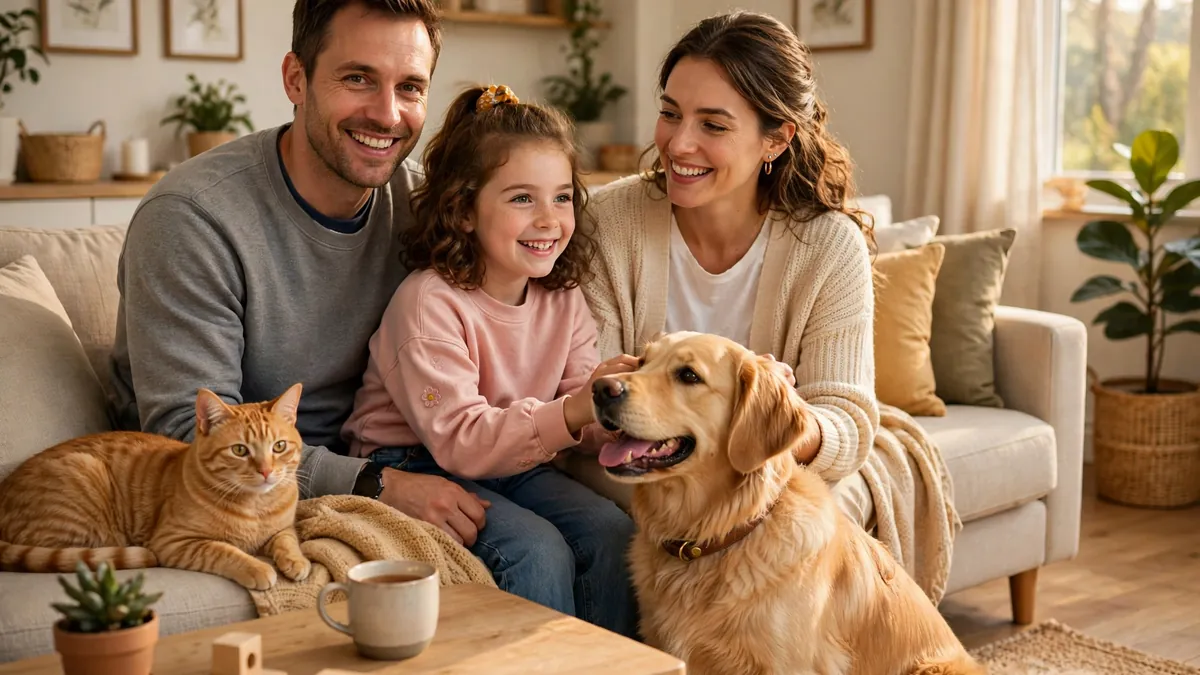
Picture this: you walk through your front door after a long day, and a small, happy face is waiting for you. A cat curls up beside you on the sofa, a dog greets you at the door, or a little rabbit hops over to say hello. It is one of the warmest pictures in everyday life, and it is why so many people dream about getting a pet. But here is the part nobody puts on a greeting card: the happiest pet homes are the ones planned before the pet arrived. Before getting a pet, a little honest thinking saves a lot of stress later, for you and for the animal. This guide covers ten things every first-time owner should know, from time and costs to space, supplies, and the first days at home.
A Pet Is a Long-Term Commitment
The first thing to know before getting a pet is that you are not making a decision for a few weeks. You are making a decision for years. Cats often share your home for well over a decade, dogs for many years, and even small pets can be companions for a surprisingly long time. That means thinking ahead: where will you be in five years, and will a pet still fit your life then? Moves, job changes, and new schedules all come up, and a pet needs to be part of the plan through all of them. This is not a reason to say no; it is a reason to say yes with your eyes open. People who think about the long term first enjoy pet ownership more, because nothing about the commitment catches them by surprise. If you can picture a pet in your life for years to come, and the picture still makes you smile, you are off to a good start.
Your Daily Time Is the Real Price
Money matters, and we will get to it, but time is the cost that surprises new owners most. Every pet needs part of your day, every single day, including weekends and holidays. Dogs need walks, play, and company, and they do not take days off. Cats need play, attention, and a clean home base. Small pets need fresh water, clean bedding, and gentle handling on a daily routine. Before getting a pet, take an honest look at a normal week. How much free time do you really have once work and chores are done? Is someone home during the day, or is the house empty for long stretches? A pet that waits alone for hours every day will be bored and unhappy. The goal is a match: a pet whose daily needs fit the time you can genuinely give, not the time you wish you had.
Think Honestly About the Costs
Pets bring joy, and they also bring bills. Before you fall in love with a particular animal, sit down and think about the full picture of pet ownership costs. There is the one-time setup: a bed, bowls, a carrier, a leash or a habitat, and the first supplies. Then there are the ongoing costs: everyday care items, bedding, toys that need replacing, and routine care visits. There can also be unexpected costs, so a sensible owner keeps a small cushion aside for surprises. Nobody needs exact figures to plan well; what matters is the habit of budgeting. Ask yourself whether your monthly budget has room for a pet without strain, and whether you could handle an unexpected expense calmly. If the answer is yes, move forward with confidence. If the answer is not yet, waiting a few months while you save is a kind and responsible choice.
Space Matters More Than Size
People often ask how big a pet is, but the better question is how much space the pet needs to live well. A large dog in a home with a yard and nearby walking routes may be happier than a small dog in a cramped home with no outdoor access. Cats need vertical space as much as floor space: a window perch, a scratching post, and a quiet corner matter more than square footage. Small pets need a proper habitat with room to move and explore, not a tiny cage tucked in a corner. Before getting a pet, walk through your home with fresh eyes. Where will the pet sleep? Where will the litter tray or habitat go? Is there a calm spot away from the noise of the kitchen? Is your home pet-friendly, with safe storage for things a curious animal should not reach? Renters should also check their lease and confirm pets are allowed, because finding out later creates heartbreak for everyone.
Gather Supplies Before Day One
Your new pet checklist should be finished before your pet arrives, not after. Imagine bringing a pet home and realizing there is no bed, no water bowl, and nowhere for it to rest. That first evening sets the tone, and a prepared home makes it calm instead of chaotic. Start with the basics: a comfortable bed, water and food bowls, a carrier for safe travel, and whatever your chosen pet needs for its habitat, such as a litter tray for a cat or a lead for a dog. Add a few toys, a scratching post for a cat, and a simple brush. Keep it simple at first: you do not need every product on the shelf. What a new pet needs is a clean, safe space with the essentials in place, so from the first hour it has somewhere to sleep, something to play with, and a routine it can start learning. Shopping ahead also spreads the cost and lets you choose calmly instead of rushing.

Choose the Pet That Fits Your Life
This is the most exciting part of getting your first pet, and the part where patience pays off most. Choosing a pet is not about picking the cutest picture; it is about finding the companion whose nature fits your household. An active family that loves long walks may thrive with a dog, while a quieter household may suit a cat that enjoys company in calmer doses. Small pets can be a wonderful first step for families with limited space. Start by learning about the most common cat breeds and the most common dog breeds, and compare what the most popular cats and dogs are generally like to live with. Our guides to the best cat breeds for first-time owners and the best dog breeds for first-time owners are a good place to begin, and our lists of the most popular cat breeds in the USA and the most popular dog breeds in America show which popular breeds other families choose and why. Meeting animals in person matters too. Spend time with a pet before deciding, watch how it behaves, and ask whether its energy matches yours. A good match is not about the most popular choice; it is about the right choice for your home and your family.
| Pet | Space needs | Daily time | Activity level |
|---|---|---|---|
| Cat | A home with perches, a scratching post, and a quiet corner | Play and attention each day, plus a clean home base | Moderate, with bursts of play and long rests |
| Dog | Room to move indoors plus regular outdoor walks | Walks, play, company, and training every day | High for most breeds, needs daily activity |
| Small pet | A proper habitat with room to move and explore | Fresh water, clean bedding, and gentle handling daily | Gentle, with quiet handling and short play sessions |

Plan for the First Days at Home
The first days in a new home are a big adventure for a pet, and a little planning makes them gentle instead of overwhelming. Everything is new: the smells, the sounds, the people, and the rooms. A new pet may be shy, quiet, or unsure at first, and that is completely normal. Give it a small, calm space to start with, such as one quiet room with its bed, water, and a toy, and let it explore the rest of the house gradually. Keep the first days quiet: a few visitors at most, no loud parties, and no pressure to meet everyone at once. Children should be shown how to be calm and gentle, speaking softly and letting the pet come to them. Keep a simple routine from day one, with regular times for play, rest, and quiet company, because routine is comforting when everything else is unfamiliar. Most pets settle within days, and the trust built in that first week becomes the foundation for everything that follows.

Make Time for Play Every Day
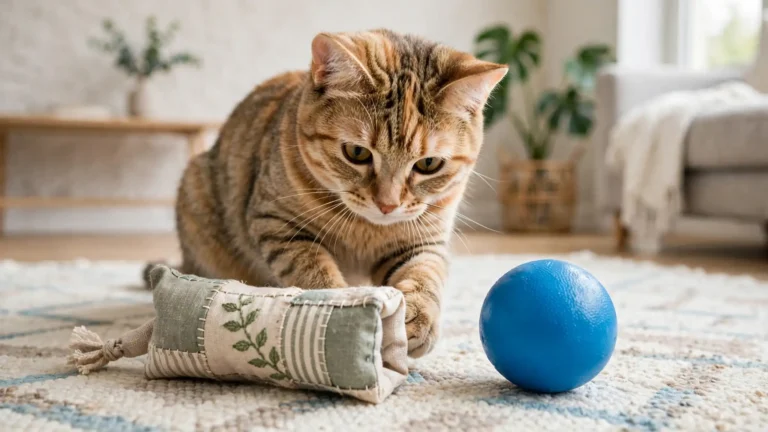
Play is not a luxury for a pet; it is part of a healthy, happy life. Play keeps pets active, curious, and engaged, and it is also one of the best ways to build a bond with a new companion. Cats love to chase, pounce, and bat at toys, and a short daily play session is often the highlight of their day. Dogs love games that combine movement and thinking, from fetch to a walk full of new smells. Small pets enjoy safe toys and gentle handling at their own pace. When you are learning how to choose cat toys, look for sturdy, safe options in different styles and watch which ones your cat returns to. Our guide to the best cat toys covers the types cats enjoy most, and our guide to the best dog toys does the same for dogs. Rotate toys so they stay interesting, and join in the play yourself. Ten focused minutes of play, twice a day, can transform a bored pet into a contented one.

Start Positive Training from the Start
Training is not about control; it is about communication, and the earlier you start, the easier it becomes. Positive training means rewarding the behavior you want, using praise, play, and gentle encouragement, and never using punishment or intimidation. A pet that is rewarded for good choices learns quickly and trusts you more, while a frightened pet learns only to be afraid. Start with the basics: where to rest, where to go, and how to greet people calmly. Keep sessions short and cheerful, and end while your pet is still enjoying it. Be consistent, because everyone in the household should use the same words and the same rules; mixed messages confuse a pet. Celebrate small wins: the first time your pet comes when called or settles on its bed is worth praising. Good training is patient, kind, and steady, and it turns everyday life into a conversation you both understand.
Enjoy Everyday Life Together
The last thing to know before getting a pet is also the simplest: the best part of pet ownership is ordinary life. It is the quiet mornings, the evening play session, the pet asleep at your feet while you read, and the small routines that become the rhythm of your home. But everyday life also needs care: keep the home tidy and safe, keep supplies topped up, and keep play and rest in balance. Pets cannot tell you when something feels off, so a watchful owner who knows their pet’s normal habits is the best early warning system there is. Plan for routine care, and enjoy the routines as they become second nature. When you have prepared well, chosen wisely, and welcomed your pet with patience, everyday life together is not a chore. It is the reward.

Related Reading on MyPetsMyLove
- Best cat breeds for first-time owners
- Best dog breeds for first-time owners
- Most popular cat breeds in the USA
- Pet Products hub page
- MyPetsMyLove homepage
- About Us page
References
- The Humane Society of the United States — pet care and responsible ownership resources
- ASPCA — pet care and adoption resources
- Encyclopaedia Britannica — pets and companion animals reference
- American Kennel Club (AKC) — dog breeds and responsible ownership
Frequently Asked Questions
How do I know if I am ready for a pet?
You are likely ready when you have steady time each day, room in your budget, a pet-friendly home, and the support of everyone in your household. If you can picture caring for a pet for years and the idea still excites you, that is a good sign.
What is the best first pet for a family?
There is no single best first pet. It depends on your time, space, and lifestyle. Cats suit calmer homes, dogs suit active families who enjoy daily walks, and small pets can suit homes with less space. The best choice is the one that fits your household.
How much time does a pet need each day?
Every pet needs daily time, but the amount varies. Dogs need walks, play, and company every day. Cats need play and attention each day. Small pets need fresh water, clean bedding, and gentle handling on a daily routine.
What supplies should I buy before getting a pet?
Start with the essentials: a bed, water and food bowls, a carrier, and the items your chosen pet needs, such as a litter tray for a cat or a lead for a dog. Add a few toys and a brush, and keep it simple at first.
How can I help a new pet settle in at home?
Give your pet a small, calm space to start with, keep the first days quiet, and let it explore gradually. Keep a simple routine, speak softly, and let the pet come to you. Most pets settle within days.
Should children be involved in choosing a pet?
Yes, children can be part of the decision and part of daily care, with guidance from adults. Show children how to be calm and gentle, and give them small, age-appropriate tasks so they learn responsibility.
How do I choose between a cat and a dog?
Think about your daily life. If you enjoy daily walks and an active companion, a dog may suit you. If you prefer a quieter companion that is happy indoors, a cat may suit you better. Meeting both in person helps you decide.
Conclusion
Getting a pet is one of life’s happy decisions, and it is happiest when it is made with open eyes. Before getting a pet, think about the years ahead, the time you can give each day, the costs you can carry, and the space you can offer. Gather your supplies, choose the companion that fits your life, and welcome your new pet with quiet patience and daily play. Do that, and you will not just have a pet — you will have a companion that makes ordinary days better.
Start by exploring our guides to the best cat breeds for first-time owners and the best dog breeds for first-time owners, and browse MyPetsMyLove for more preparation ideas and pets worth knowing.
Disclaimer
Disclaimer
MyPetsMyLove dot com is an independent informational website covering pet species breeds characteristics activities positive training bonding grooming and responsible ownership
We are not a veterinary clinic medical provider pet food provider or veterinary nutrition service
We do not provide veterinary diagnosis medical advice treatment food recommendations or nutritional guidance
For pet health medical or food related concerns consult a qualified veterinarian or appropriate professional directly
Independent clinics listed on this website are not owned or operated by MyPetsMyLove unless explicitly stated
Verify third party credentials services fees and availability independently
We do not guarantee third party services or outcomes
To the extent permitted by applicable law we disclaim responsibility for independent third party services
Nothing in this notice excludes liability that cannot legally be excluded
The disclaimer does not make prohibited content acceptable





2 Comments