Best Heated-Style Cat Beds: Features and Buying Considerations

Cats love warmth. On a cold day, a cat will follow the sunny patches across the floor, curl up beside a radiator, or tuck itself into the warmest corner of the house. A heated cat bed gives that warmth a proper home: a soft, comfortable bed that stays gently warm, so the cat does not have to hunt for heat.
This guide explains how heated cat beds work, compares the main designs — electric, self-warming, orthopedic, and microwaveable — and covers the safety features, sizes, materials, and placement that matter before you buy.
How Heated Cat Beds Work
Heated cat beds come in two main families, and they warm a cat in very different ways. Electric beds plug in and use a low-wattage, thermostatically controlled heater that warms the surface to roughly the cat’s body temperature, usually only when the cat is lying on it. Done right, the bed never feels hot to the touch — it feels gently warm, like a sunny spot on the floor.
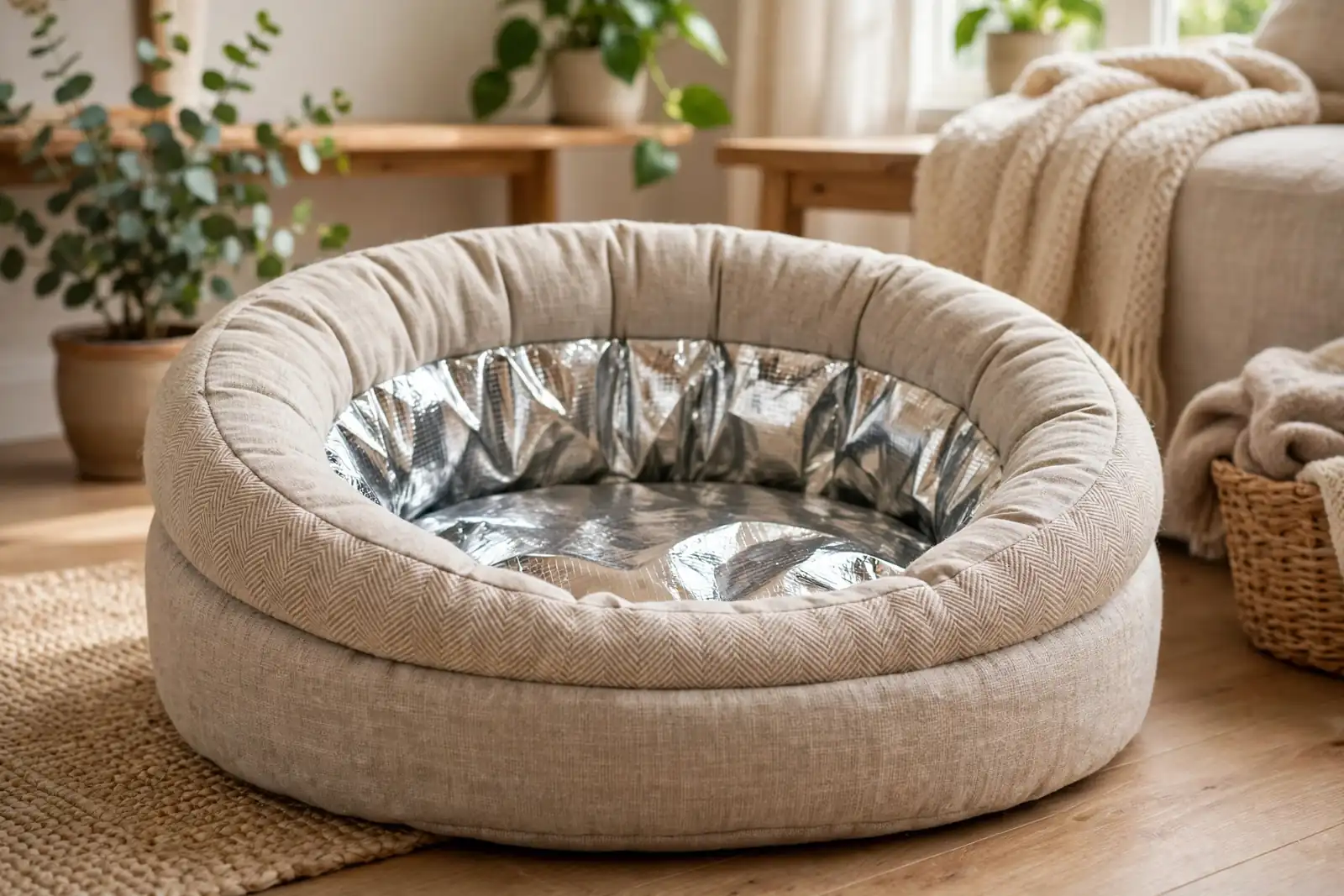
Self-warming beds use no electricity at all. A layer of reflective, space-blanket-style material inside the cushion bounces the cat’s own body heat back toward it, gently raising the temperature of the nest. The bed only warms up once the cat is in it, and it cools down again when the cat leaves.
Electric Heated Beds
Electric heated beds are the most reliable way to give a cat steady warmth. A quality electric bed uses a low-wattage heater — typically 4 to 6 watts for an indoor bed — with a thermostat that holds the surface near body temperature rather than letting it get hot. The heater warms only when the cat is lying on the bed, so the bed stays gently warm through the day and uses less power than a standard light bulb.
Electric beds suit cold homes, drafty rooms, and winter months, and they suit older cats that seek extra warmth and cats with thin coats that feel the cold. The trade-off is the cord: an electric bed needs an outlet nearby, and the cord needs to be kept out of the way so the cat cannot chew it. Look for a chew-resistant cord, ideally steel-wrapped, if your cat is a known chewer.

Self-Warming Beds
Self-warming beds are the simplest heated beds of all. Inside the cushion sits a layer of reflective material, similar to the metalised film in an emergency space blanket. As the cat lies on the bed, the material captures the cat’s body heat and reflects it back upwards, so the nest feels warmer than the room around it.
The big advantage is safety and simplicity. There is no cord, no electricity, and no heating element, so the bed is completely safe to leave unattended and can go anywhere — on a windowsill, in a carrier, or in a room with no outlet nearby. The bed is also light and portable, so it is easy to move from room to room or take along on a trip.
The trade-off is that self-warming beds only amplify the heat the cat already produces. They work best for a healthy cat in a room that is not freezing, and they do little to warm a cat that is not yet nestled in. In a genuinely cold room, an electric bed gives more warmth.
Orthopedic Heated Beds
Orthopedic heated beds combine a foam base with a heating element. The foam is usually a thick memory foam core that contours to the cat’s body and returns to its shape when the cat gets up, while the heater adds gentle warmth on top. The foam spreads the cat’s weight across the surface, so the bed feels supportive rather than lumpy or flat.
These beds suit older cats that like a soft, supportive surface as well as warmth, and cats that sleep stretched out and need a flat, steady base. The foam in a cushioned bed is usually around 2 to 4 inches thick. Thicker foam gives more cushioning and holds its shape for longer.
Like other electric beds, an orthopedic heated bed needs a removable, washable cover, since the foam itself should not go in the machine.
Microwaveable Pads
Microwaveable pads are a fourth option, and they work differently from the rest. A removable pad is warmed in the microwave for a few minutes, then slipped into a pocket in the bed or under a cover. The pad gives off gentle warmth for a few hours, then slowly cools down.
Microwaveable pads suit owners who want warmth without a cord and without relying on the cat’s own body heat — useful for a warm bed at bedtime or a carrier on a cold day. The warmth fades over time, so the pad needs reheating.
Heated Cat Beds at a Glance
| Bed type | Heat source | Warmth | Safety | Best for |
|---|---|---|---|---|
| Electric | Plug-in, low-wattage thermostat heater | Steady, reliable, even in cold rooms | Needs a safety listing and chew-resistant cord | Cold homes, older cats, thin-coated cats |
| Self-warming | Reflective lining, no electricity | Gentle, only while the cat is in it | Safest — no power, no cord | Healthy cats, travel, rooms without outlets |
| Orthopedic heated | Plug-in heater plus foam base | Steady warmth with support | Needs a safety listing and washable cover | Older cats that like support and warmth |
| Microwaveable pad | Pad warmed in the microwave | Warm for a few hours, then fades | No cord while in use | Bedtime warmth, carriers, short trips |
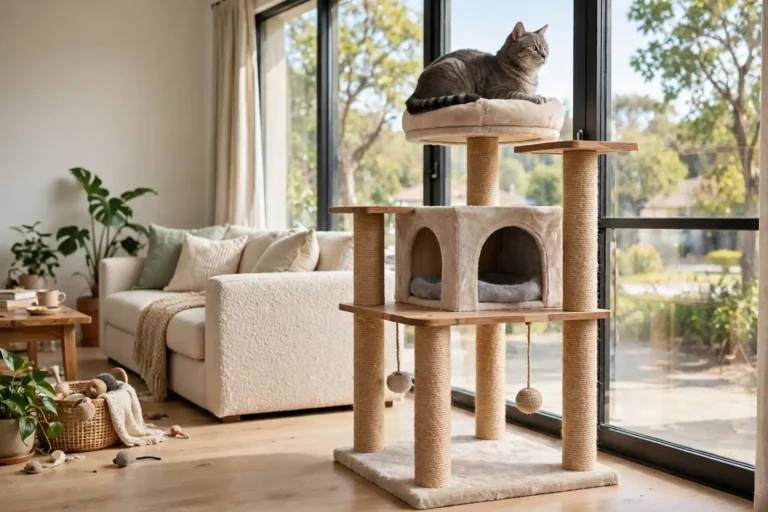
Electric beds win on warmth and reliability. Self-warming beds win on safety and portability. Orthopedic heated beds add support to the warmth, and microwaveable pads give cord-free warmth for a few hours at a time. For a full comparison of bed shapes, see our guide to the best cat beds, and for enclosed warm designs, see donut vs cave cat beds.
Safety Features to Look For
Safety is the most important thing to check with any electric heated bed, and the features are easy to spot once you know what to look for.
- Recognised safety listing: Look for a MET, UL, or ETL listing on an electric bed. These independent safety marks show the product has been tested to recognised electrical safety standards.
- A genuine thermostat: The bed should regulate its own temperature and warm to around body temperature, not simply heat continuously. A thermostat that responds to the cat’s own body heat and the room temperature prevents overheating.
- Chew-resistant cord: A steel-wrapped or bite-resistant cord is essential, particularly for young cats that investigate cords. Check the cord monthly for any signs of fraying or bite damage.
- Automatic shut-off: Some beds switch off on a timer, often in 4 to 8 hour cycles, so the bed does not run all day.
- Removable heating element: A heater that lifts out lets you wash the cover properly without damaging the electronics.
- Even heat, no hot spots: The warmth should spread evenly across the surface, with no single spot that feels hotter than the rest.
A few habits help too. Do not add extra blankets or covers on top of an electric bed — they trap heat and stop the thermostat from working properly. Do not leave a new electric bed plugged in unsupervised during the first week; watch that your cat moves freely on and off the bed. And remember that very young kittens may not move off a heat source when they get too warm the way a healthy adult does, so a self-warming bed is the safer choice for them.

Materials and Cleaning
The material of a heated bed affects how warm it feels, how easy it is to clean, and how long it lasts. Fleece and faux fur feel soft and warm and are the most common choices, while cotton and polyester blends are lighter, easier to wash, and quick to dry. Many beds mix materials, such as a foam base with a fleece cover, so check what each layer is made from before you buy.
A removable, machine-washable cover is the single most useful feature on any heated bed. A bed that cannot be washed will start to smell and collect fur, and most cats will stop using it. Before buying, check the care label: can the whole bed go in the machine, or just the cover? If the bed has a heater, check that the heating element lifts out first.
Beyond the cover, look for a non-slip base, a water-resistant bottom, strong stitching, and a low entry edge that helps smaller cats step in.
How to Choose the Right Size
Measure your cat from nose to tail while it is stretched out, then add a few inches. That gives you the length a bed needs for your cat to lie flat. Curlers suit smaller round beds, where the walls hold them in a ball, while cats that shift position need a little more room.
As a rough guide, small cats fit beds of around 16 to 18 inches, while medium and large cats need beds of around 20 to 24 inches. The test is simple: the bed should let the cat turn around and lie comfortably, with room to shift position during a nap. When in doubt, size up — especially for an enclosed heated design, where a tight opening puts cats off.
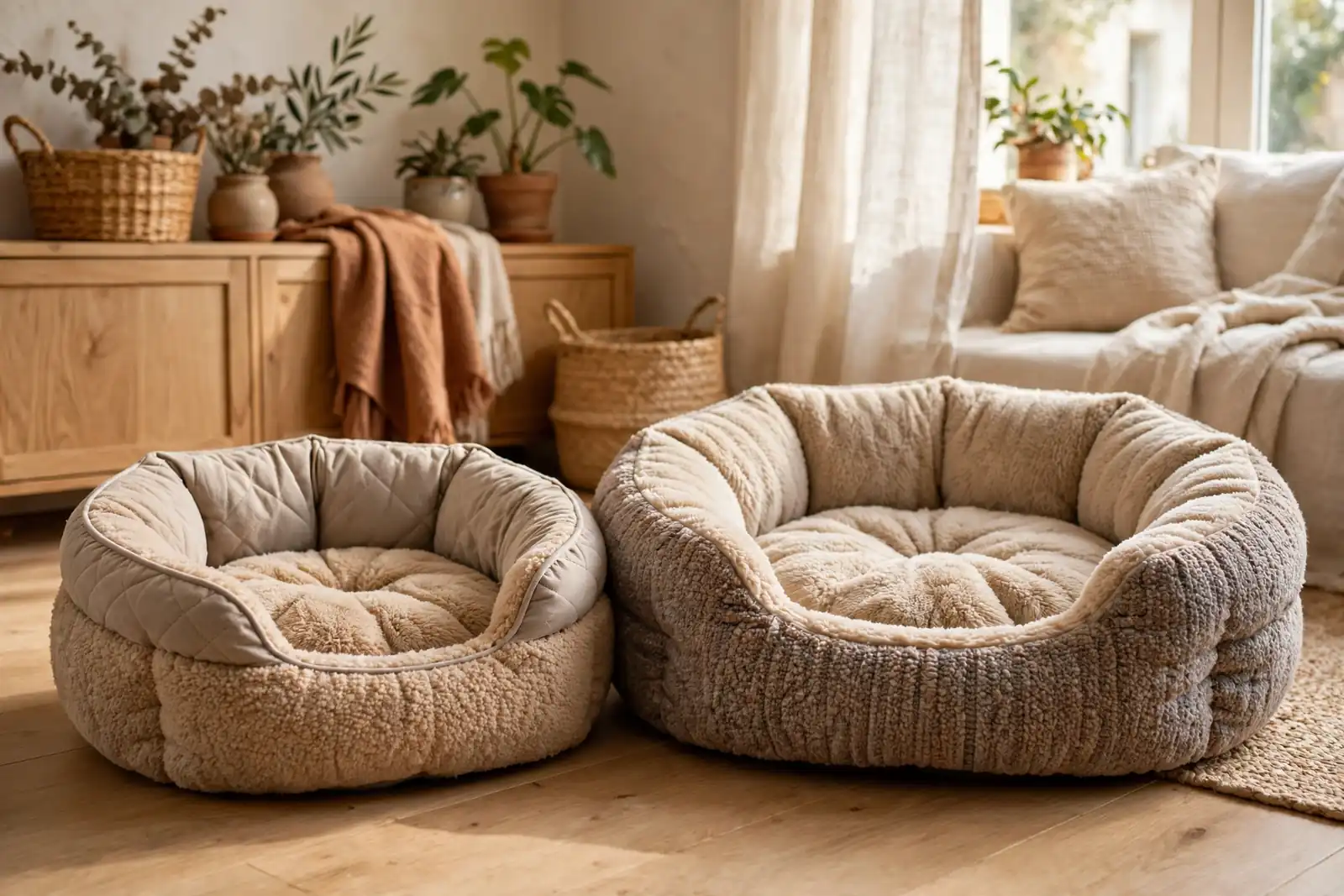
Where to Place a Heated Bed
Where you put a heated bed can matter as much as the bed itself. An electric bed needs an outlet nearby, so place it where the cord can run safely along a wall and out of the way. A self-warming bed can go anywhere, which makes it easy to follow the sun around the house.
A bed near a sunny window is more inviting than a bed in a cold hallway, and a quiet spot beats a busy walkway. Try the bed in two or three spots before deciding it does not work, and make sure the cat can step off easily if it gets too warm.
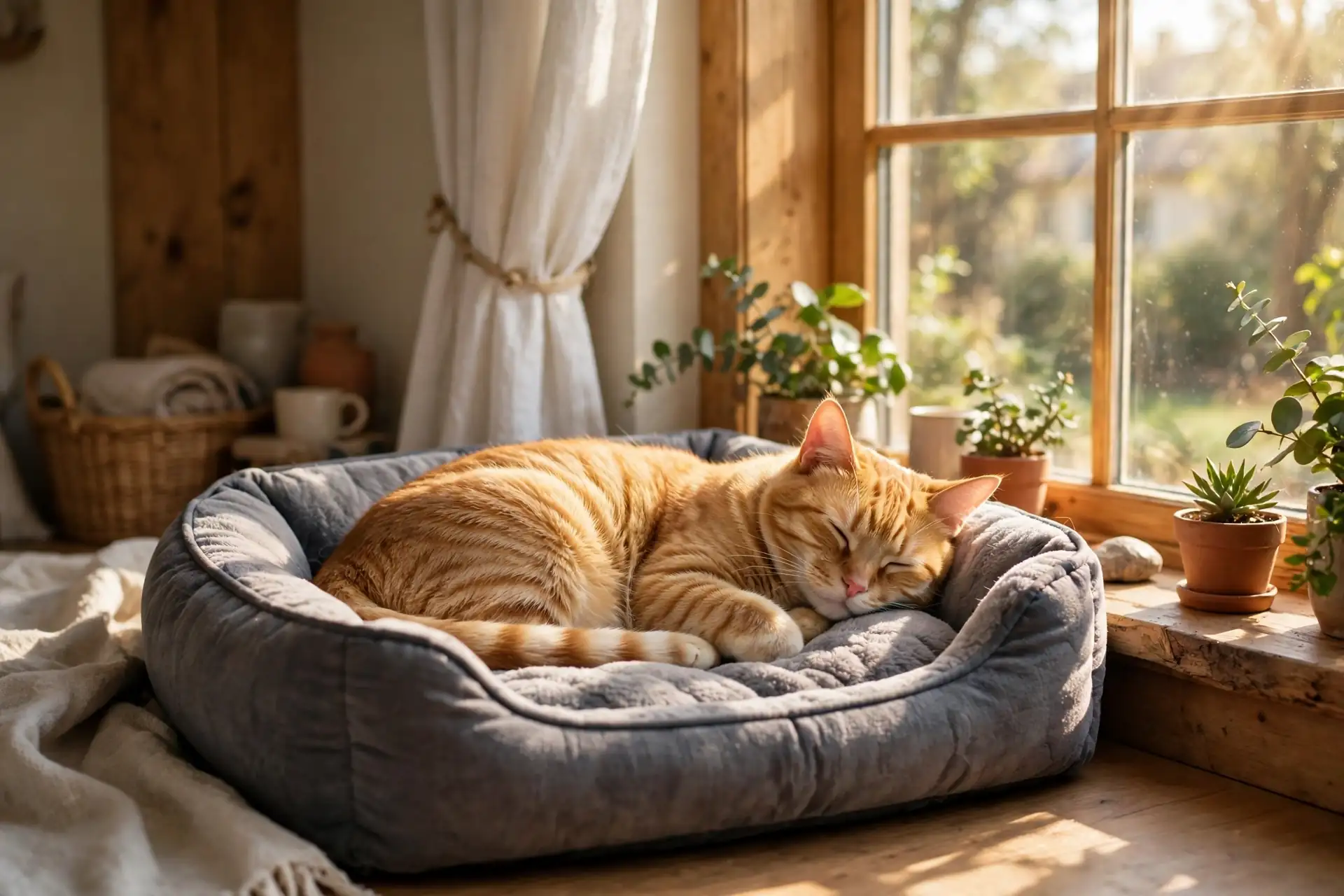
Which Heated Bed Suits Your Cat?
The fastest way to choose is to match the design to your cat and your home:
- The cold-home cat: Seeks the warmest spot in the house and sleeps curled tight. Best match: an electric heated bed, for steady warmth in any room.
- The older cat that loves warmth: Settles in one favourite spot and stays there for hours. Best match: an electric or orthopedic heated bed, for warmth and support.
- The traveller: Moves from room to room and likes a bed that follows. Best match: a self-warming bed, for cord-free portability.
- The chewer: Investigates cords and cables. Best match: a self-warming bed, or an electric bed with a steel-wrapped cord.
- The bedtime cat: Wants a warm bed at night and a cool spot by day. Best match: a microwaveable pad, warmed before bedtime.
- The sun-seeker: Follows sunny patches and sleeps on windowsills. Best match: a self-warming bed in a sunny spot.
If you are still unsure, a self-warming bed is the safest first try: no cord, no power, and no risk of overheating. If your home runs cold and your cat still seeks more warmth, an electric bed is the next step. Give any new bed a fair try over several days, and try it in more than one place before giving up on it.
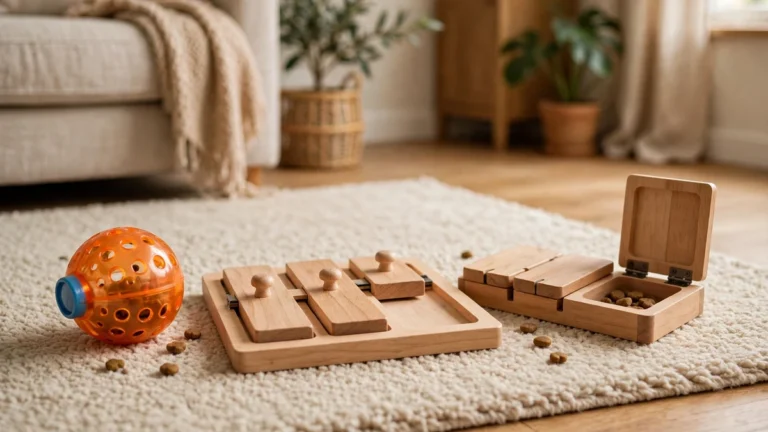
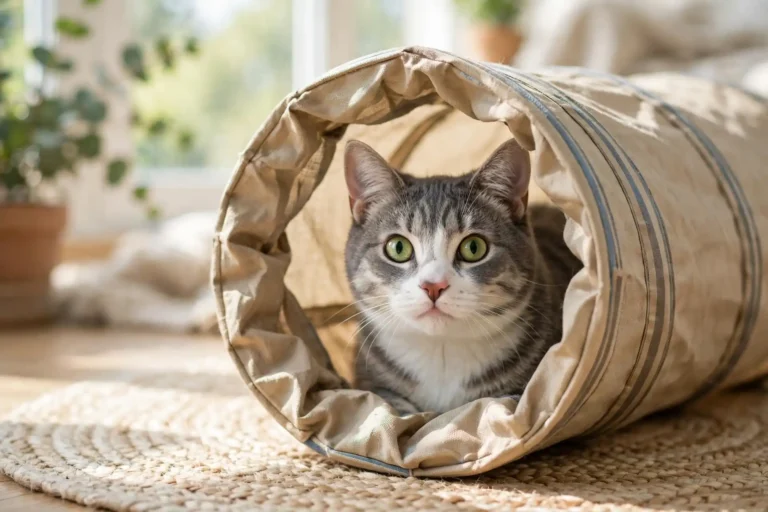
Pairing a new bed with play can help too. A cat that has just played with a wand toy or chased an interactive ball toy will often settle down for a nap nearby. A cat puzzle toy can also keep a cat busy before rest, and a tunnel toy from our guide to the best tunnel toys for cats makes a fun warm-up before a nap.
Related Reading on MyPetsMyLove
- Best cat beds guide
- Donut vs cave cat beds
- Durable toys for active cats
- Pet Products hub page
- MyPetsMyLove homepage
- About Us page
References
- The Humane Society of the United States — cat care and enrichment resources
- American Association of Feline Practitioners (AAFP) — feline welfare and care resources
Frequently Asked Questions
What is the difference between an electric and a self-warming heated cat bed?
An electric bed plugs in and uses a low-wattage, thermostatically controlled heater that warms the surface to around body temperature, even in a cold room. A self-warming bed uses no electricity: a reflective lining inside the cushion bounces the cat’s own body heat back, so it only warms up while the cat is lying in it.
Are heated cat beds safe?
Yes, when bought from reputable makers with the right features. For electric beds, look for a recognised safety listing such as MET, UL, or ETL, a genuine thermostat, and a chew-resistant cord. Self-warming beds are the safest option of all, since they use no electricity and have no cord.
How much power does an electric heated cat bed use?
Very little. A quality indoor electric bed typically uses a 4 to 6 watt heater that warms only when the cat is lying on it, so it uses less power than a standard light bulb.
Can I leave a heated cat bed on all day?
A good electric bed with a thermostat and automatic shut-off can run safely, but it is sensible to check the bed and cord regularly and to watch how your cat uses it during the first week. A self-warming bed can be left out all day with no concerns at all.
How do I keep a heated cat bed clean?
Choose a bed with a removable, machine-washable cover and wash it every couple of weeks, or more often if your cat sheds heavily. If the bed has a heater, check that the heating element lifts out before washing. Shake the bed out between washes and let it dry fully before putting it back.
What size heated cat bed should I buy?
Measure your cat from nose to tail while it is stretched out, then add a few inches. As a rough guide, small cats fit beds of around 16 to 18 inches, while medium and large cats need beds of around 20 to 24 inches. When in doubt, size up.
Where should I put a heated cat bed?
Put an electric bed near an outlet where the cord can run safely out of the way, and put any heated bed somewhere warm and quiet — often a sunny window, a quiet corner of the living room, or the bedroom. Make sure the cat can step off the bed easily if it gets too warm.
Conclusion
Heated cat beds come down to a simple choice: steady, reliable warmth from an electric bed, or cord-free, portable warmth from a self-warming bed. Electric beds win in cold homes and for older cats that seek extra warmth, while self-warming beds win on safety and portability. Orthopedic heated beds add support to the warmth, and microwaveable pads give cord-free warmth for a few hours at a time. Whichever design you choose, check for a recognised safety listing, a thermostat, a chew-resistant cord, and a removable washable cover, and give the bed a fair try in a warm, quiet spot.
Once your cat has a warm bed it loves, keep exploring. Browse our Pets Products section for more guides, compare shapes in our best cat beds guide, and start from the MyPetsMyLove homepage to discover more about cats and the products that make their lives comfortable.
Disclaimer
Disclaimer
MyPetsMyLove dot com is an independent informational website covering pet species breeds characteristics activities positive training bonding grooming and responsible ownership
We are not a veterinary clinic medical provider pet food provider or veterinary nutrition service
We do not provide veterinary diagnosis medical advice treatment food recommendations or nutritional guidance
For pet health medical or food related concerns consult a qualified veterinarian or appropriate professional directly
Independent clinics listed on this website are not owned or operated by MyPetsMyLove unless explicitly stated
Verify third party credentials services fees and availability independently
We do not guarantee third party services or outcomes
To the extent permitted by applicable law we disclaim responsibility for independent third party services
Nothing in this notice excludes liability that cannot legally be excluded
The disclaimer does not make prohibited content acceptable