Boxer Dogs: The Playful, Loyal Family Companion Guide
A Boxer dog does not walk into a room so much as bounce into it, ears up, tail wagging, and ready for whatever happens next. One moment this muscular dog is leaning against your leg like a loyal shadow, and the next it is spinning in a joyful circle. That mix of clownish play and deep devotion is why Boxer dogs have held a place among the most loved breeds in American homes for generations. This guide covers where the breed comes from, what Boxers look like, how they behave, how they play and learn, what Boxer puppies are like, and what daily life with one really involves.
Origin and History of the Boxer
Boxer dogs come from Germany, where they were developed in the late nineteenth century as working dogs. Their ancestors include the Bullenbeisser, a strong, now-extinct German hunting dog used for work with large game. German breeders crossed Bullenbeisser-type dogs with Bulldog-type dogs to create a smaller, quicker, and more versatile dog, and the modern Boxer took shape from that blend.
The name itself is part of the breed’s story. Breed histories often link the name Boxer to the way these dogs use their front paws, boxing at play and when sparring with one another. Whether the name came from that playful habit or from an older German word, the image fits the dog: a Boxer greets the world with its paws first.
Organized breeding began in Germany in the 1890s, when the first Boxer club was formed and early breeders set out a written standard for the breed. The Boxer reached the United States in the early twentieth century, and the American Kennel Club recognized the breed in 1904. Today the Boxer is a family companion and a working dog in service and protection roles, known in the United States as one of the popular breeds that families return to again and again.
Appearance of the Boxer
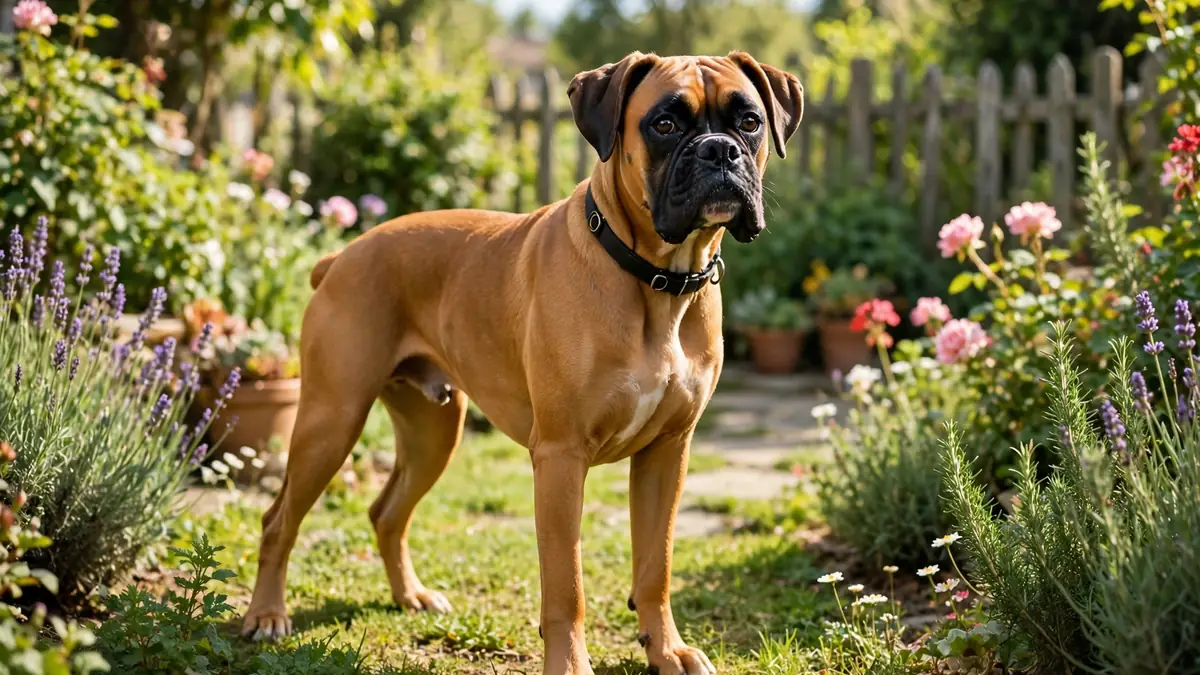
The Boxer is a medium-to-large dog with a short back, a deep chest, and a smooth, muscular body that looks powerful without looking heavy. According to the American Kennel Club breed standard, adult males usually stand about 23 to 25 inches tall at the shoulder, while adult females usually stand about 21.5 to 23.5 inches. Males generally weigh around 65 to 80 pounds and females around 50 to 65 pounds.
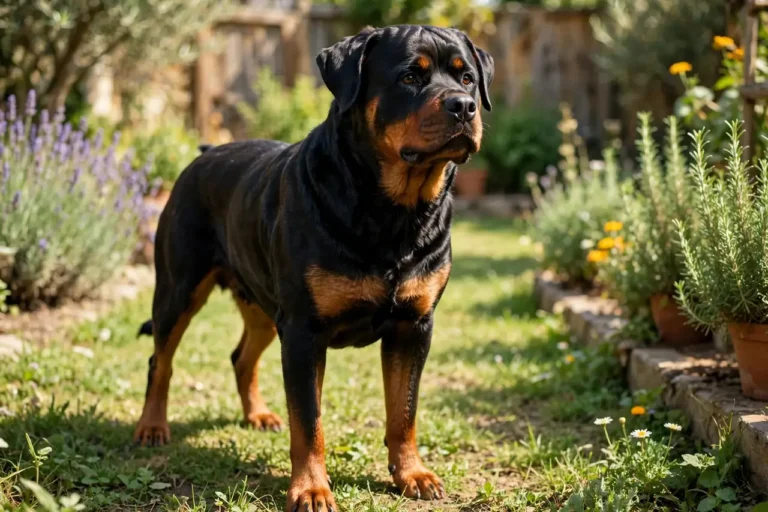
The head is the breed’s most recognizable feature. It is broad and square, with a short, blunt muzzle, a slightly upturned lower jaw, and a black nose. The dark brown eyes are set wide apart, and the ears fold forward naturally. The neck is strong, the legs are straight and muscular, and the tail is carried high.
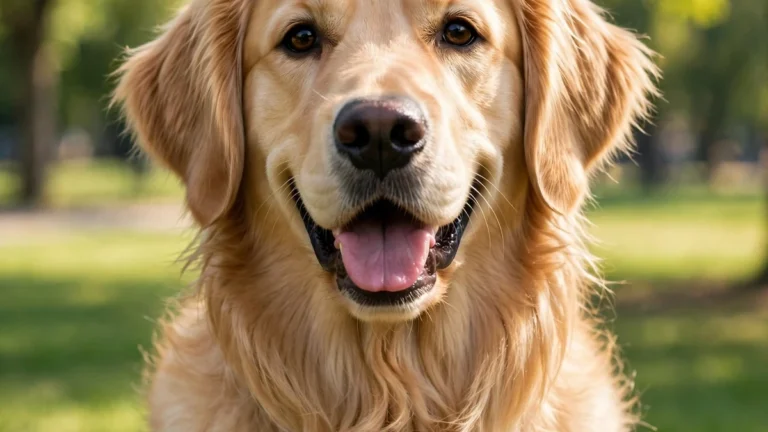
In some countries, tails were traditionally docked and ears traditionally cropped as a matter of working and show custom. In many places today, Boxers are kept and shown with natural ears and tails, and the look of the breed is the same either way: square, sturdy, and ready to move. Compared with a Golden Retriever or a larger German Shepherd, the Boxer is sleeker and more compact. Among the most common dog breeds in the United States, it stands out for its muscle, balance, and unmistakable square face.
Coat Colors and Markings
The Boxer coat is short, smooth, and close to the body, with a shine that shows off the muscle underneath. It is one of the easiest coats to look after among medium-to-large breeds: a weekly brush with a soft brush or grooming mitt lifts loose hair and keeps the coat glossy. Our guide to dog grooming at home covers the simple tools and routines that suit short-coated breeds like the Boxer.
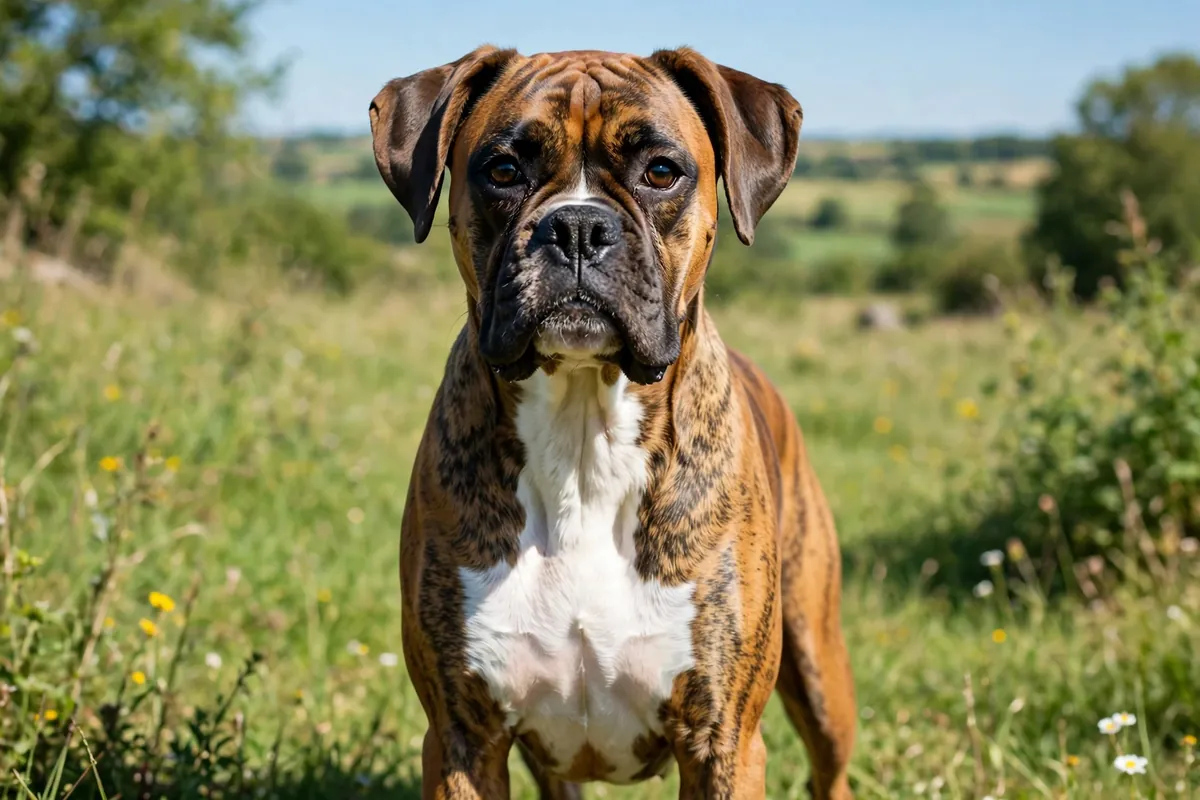
Fawn is the best-known Boxer color, ranging from a light tan to a deep reddish brown. Brindle is the other classic color: a fawn base overlaid with dark stripes, sometimes so dark that the coat looks almost black in places. White markings are common, often appearing as a blaze on the face, a patch on the chest, or white on the paws. Nearly every Boxer wears a black mask, a dark coloring around the muzzle and eyes that frames the face.
Temperament and Personality
If the Boxer’s looks draw people in, its temperament is what keeps them. Boxer dogs are loyal, affectionate, and famously playful, and they stay playful far longer than many other breeds. Owners often say their Boxer never really grows up, and the breed’s nickname among fans, the clown of the dog world, comes from that joyful, silly streak.
Boxers bond closely with their families and like to be in the middle of household life. They lean against people, follow them from room to room, and settle with a sigh at their feet when the day winds down. That devotion also shows in their watchfulness: Boxers are naturally alert and protective of their homes and their people, and they tend to announce visitors with a confident bark before settling down to greet them. With children, Boxers are often patient and gentle in play, and they usually enjoy the company of other dogs, especially when they have been introduced to canine friends from a young age. Early socialization shapes how confident an adult Boxer becomes.
Playfulness and Energy
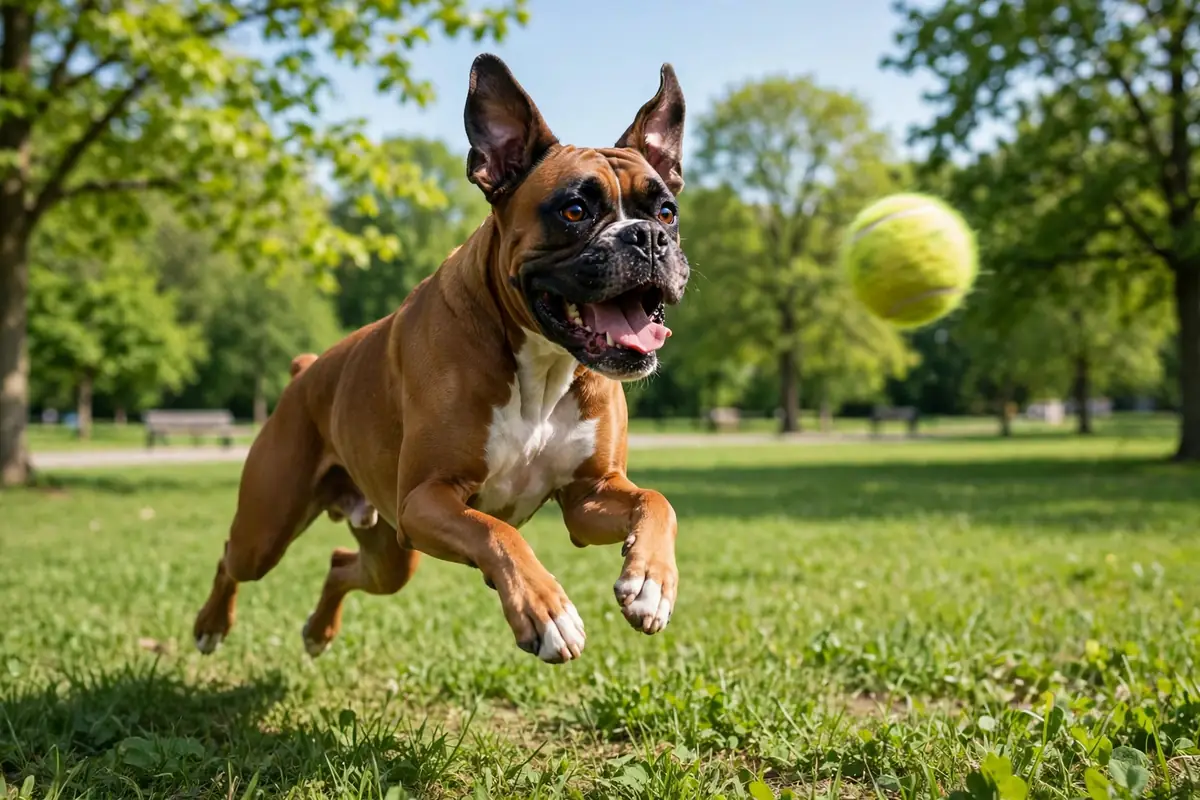
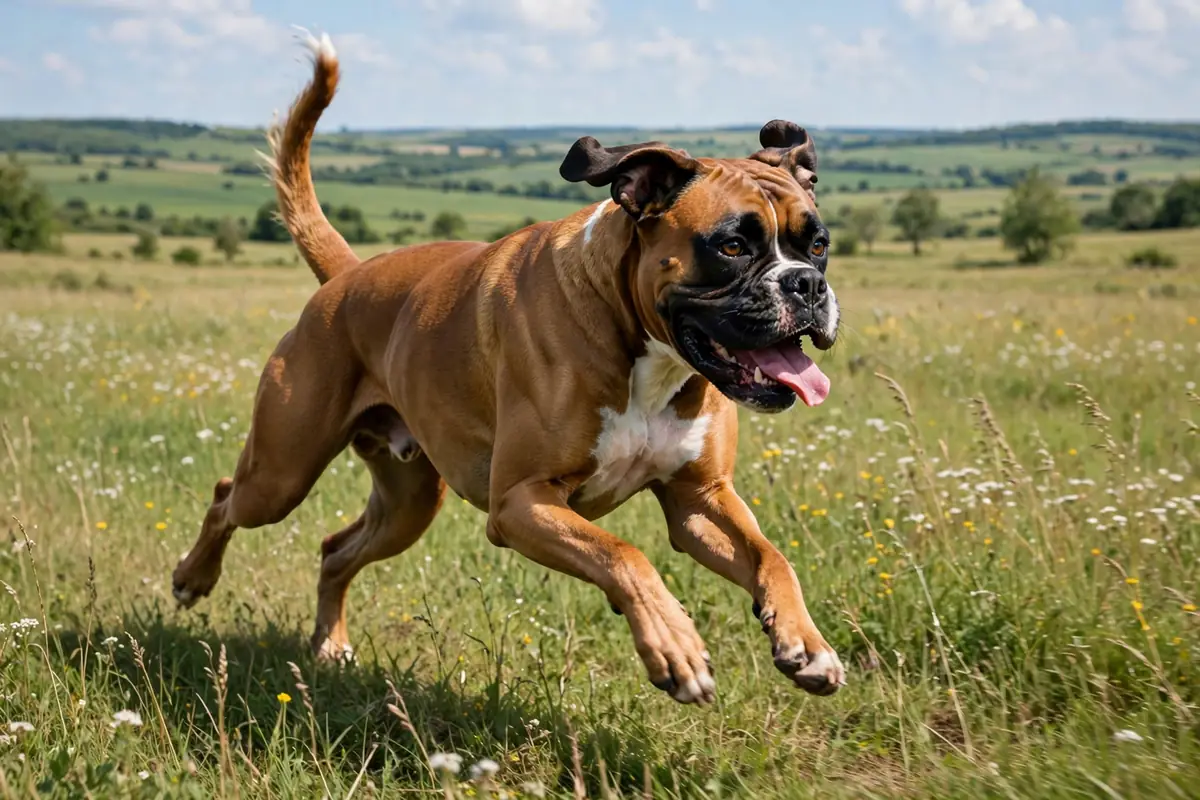
Play is not a side activity for a Boxer. It is the main event. Boxers love games that let them run, jump, and use their paws: fetch, tug games, and chasing a ball across a yard. The famous Boxer kidney-bean dance, a spinning, wiggling greeting with the whole body curved like a bean, is one of the breed’s most charming habits, and it appears whenever a Boxer is especially glad to see someone.
This is an energetic breed that needs daily activity to stay happy. Long walks, play sessions in a secure yard, and games that ask the dog to think as well as move all suit the Boxer. A bored Boxer is an inventive Boxer, and that inventiveness usually shows up in the garden or the living room, so regular play and activity are part of responsible ownership rather than an optional extra. Our guide to the best dog toys covers sturdy options for active breeds.
Activities and Positive Training
Boxers are intelligent dogs that learn quickly when training is positive, patient, and fun. Short, upbeat sessions work best: a few minutes of practice several times a day beats one long, dull session, and praise, play, and clear routines help the Boxer understand what earns a reward. Keep commands simple and consistent, whether that is a sit, a stay, a recall, or a polite walk on a loose leash.
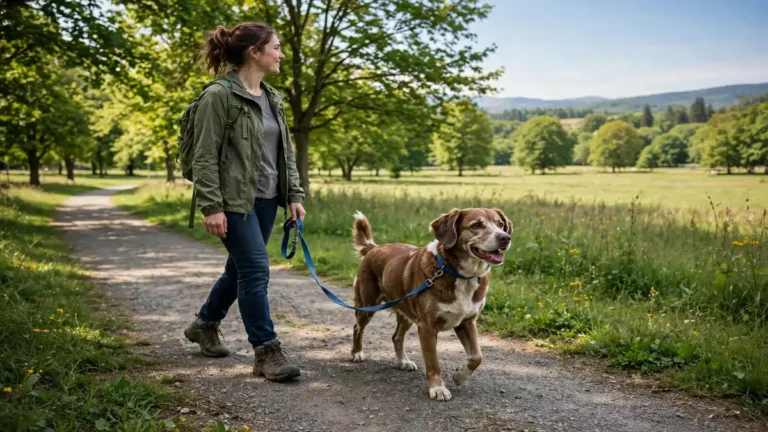
Leash skills deserve special attention with a strong, enthusiastic breed. Our leash training guide walks through the steps for teaching a dog to walk calmly beside its owner. Practice recall in a secure area and build up distractions gradually. Boxers also enjoy scent games, simple agility-style obstacles, puzzle toys, and new tricks, and a dog that has had a good mental workout settles more easily at home.
Never use punishment, shouting, or intimidation in training. Harsh methods damage trust and make a sensitive, people-focused breed anxious and confused. Positive training builds the bond that Boxers thrive on, and a Boxer that trusts its owner will work happily for praise and play.
Boxer Puppies
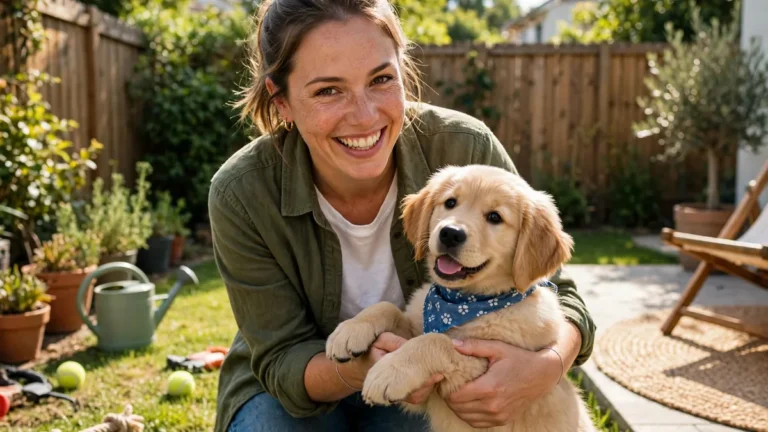
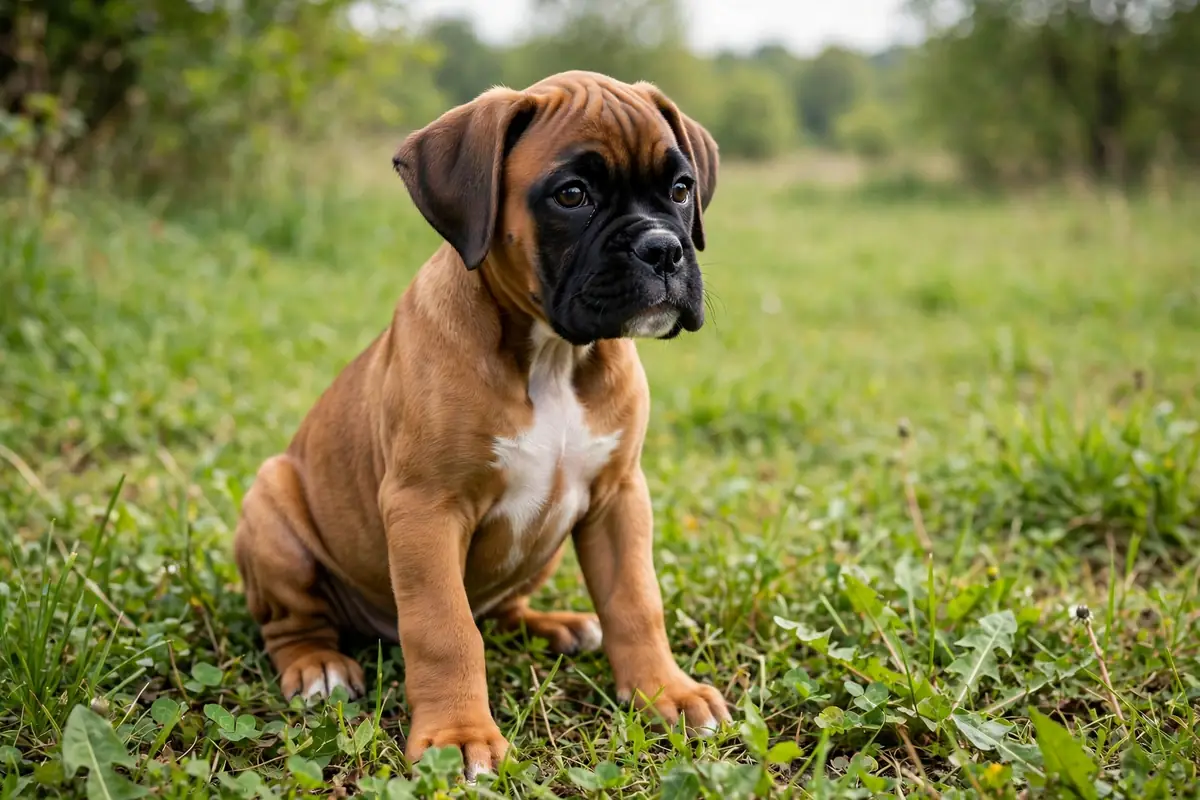
Boxer puppies arrive as small, wrinkled bundles of energy, with oversized paws, dark eyes, and a fawn or brindle coat that already shows the black mask. They grow quickly, and the lanky, long-legged stage arrives before many owners expect it, with the muscles and the square head filling out over the first year and beyond.
Puppyhood is the time to build the habits that shape the adult dog. Gentle handling, short play sessions, and calm introductions to everyday sights and sounds help a Boxer puppy grow into a confident adult.
Boxer puppies are mouthy by nature, and they explore the world with their teeth as much as with their noses. Redirect that chewing toward suitable toys, keep sessions playful, and reward calm behavior, and the puppy learns what is fair game and what is not. A regular daily routine and patient house training help a young Boxer settle into family life, and puppies need plenty of rest between bursts of play.
Living With a Boxer
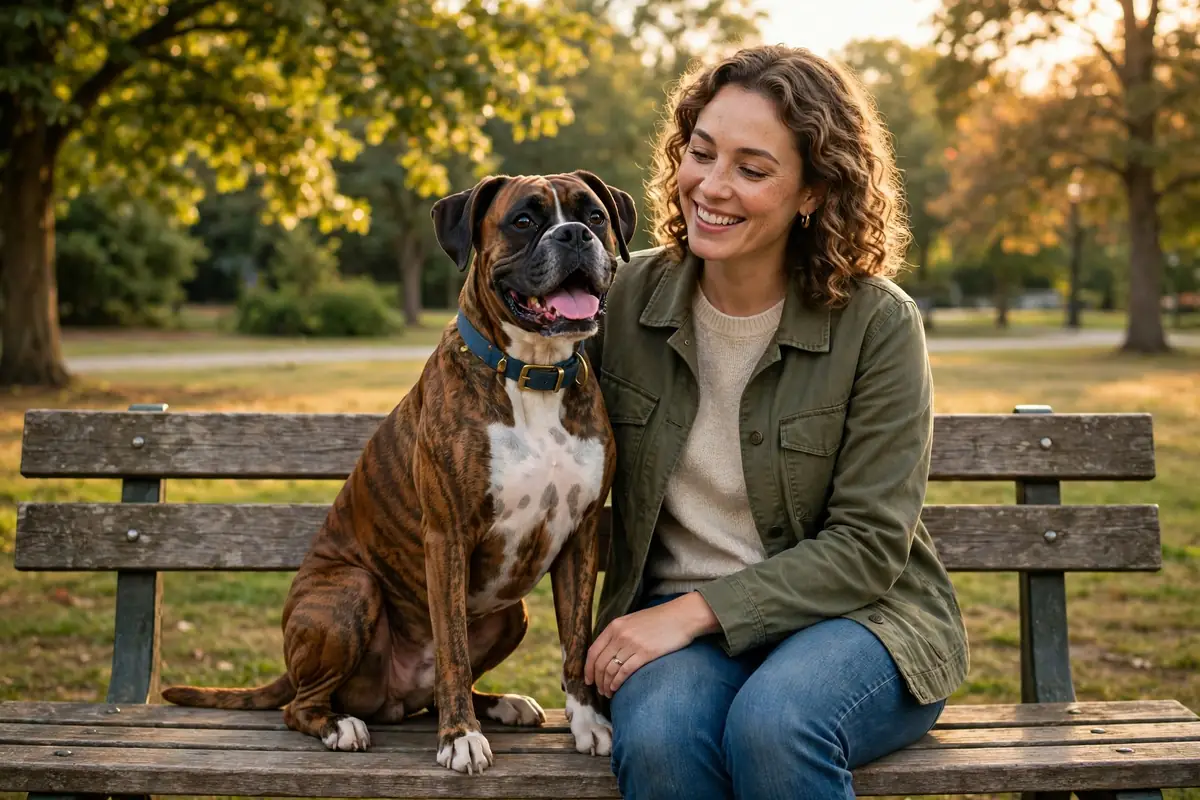
Life with a Boxer is lively, affectionate, and never dull. This is a dog that wants to be where its people are, whether that means supervising from the kitchen floor, joining a walk, or curling up nearby after a busy day. Boxers do best in homes where someone is around for much of the day.
A home with a secure yard is ideal, but Boxers can also settle well in smaller homes when they get enough daily walks and play. They are indoor dogs at heart, and they prefer a comfortable spot inside with their family to a yard on their own.
Grooming stays simple throughout the year. The short coat sheds moderately, and a weekly brush keeps loose hair under control. Ears, nails, and paws benefit from a regular check as part of the grooming routine, and most Boxers learn to enjoy the attention once it becomes a familiar habit. The Boxer is a companion for people who want a dog that joins in.
Boxer vs Other Popular Breeds
| Breed | Size | Coat | Temperament | Energy |
|---|---|---|---|---|
| Boxer | Medium to large, muscular | Short, fawn or brindle | Playful, loyal, watchful | High |
| Golden Retriever | Large, sturdy | Long, golden | Friendly, gentle, eager | High |
| Labrador Retriever | Large, sturdy | Short, dense | Friendly, outgoing, steady | High |
| German Shepherd | Large, strong | Medium, double | Confident, loyal, alert | High |
| French Bulldog | Small to medium, compact | Short, smooth | Affectionate, playful, calm | Moderate |
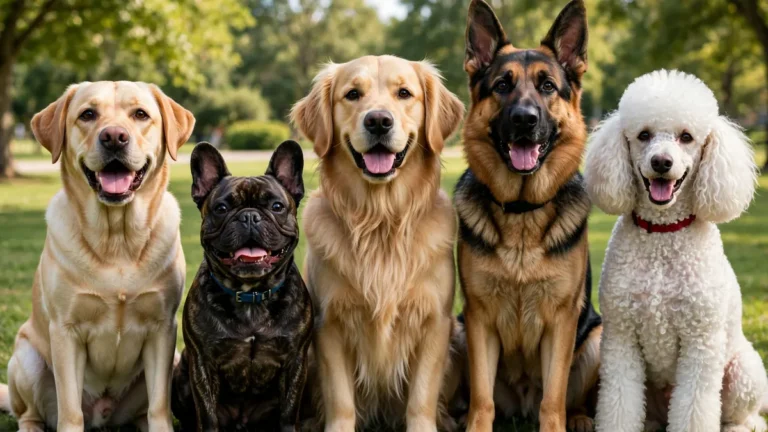
The table shows where the Boxer sits among the most popular dog breeds in America. The Golden Retriever and the Labrador Retriever are famously gentle family dogs, while the French Bulldog offers Boxer-like playfulness in a smaller, calmer package. Among popular US dog breeds, the Boxer is the clown of the group: the most openly silly and the most likely to greet you with a full-body wiggle.
Interesting Facts About Boxers
- A working past: Boxers descend from the Bullenbeisser, a German working dog, and were developed in Germany in the late nineteenth century.
- Recognized in 1904: The American Kennel Club recognized the Boxer in 1904, after the breed reached the United States in the early twentieth century.
- The kidney-bean dance: Happy Boxers twist their bodies into a curved, bean-like shape and wiggle with excitement.
- Paw players: Boxers use their front paws more than most breeds, batting at toys and playmates in a boxing style that may have inspired the name.
- Two classic coats: Fawn and brindle are the traditional Boxer colors, usually worn with a black mask and white markings.
Related Reading on MyPetsMyLove
- Most popular dog breeds in America
- Golden Retriever guide
- German Shepherd guide
- Dogs & Puppies hub page
- MyPetsMyLove homepage
- About Us page
References
- American Kennel Club (AKC) — Boxer breed profile
- The Humane Society of the United States — pet care and enrichment resources
- Encyclopaedia Britannica — dog breeds reference
Frequently Asked Questions
Where did Boxer dogs originate?
Boxer dogs originated in Germany, where they were developed in the late nineteenth century from Bullenbeisser-type working dogs crossed with Bulldog-type dogs. The American Kennel Club recognized the breed in 1904.
What colors do Boxer dogs come in?
Boxer dogs come in fawn and brindle. Fawn ranges from light tan to deep reddish brown, and brindle is a fawn base with dark stripes. Most Boxers have a black mask and some white markings on the face, chest, or paws.
Are Boxer dogs playful?
Yes. Boxers are one of the most playful breeds, and they stay playful well into adult life. They love fetch, tug games, and running in a secure yard, and they are famous for the kidney-bean dance, a wiggling greeting they perform when they are excited.
Are Boxer dogs good family companions?
Yes. Boxers are loyal, affectionate, and patient in play, and they bond closely with their families. They do best in homes where someone is around for much of the day and where they get daily walks and play.
How big do Boxer dogs get?
Adult males usually stand about 23 to 25 inches tall at the shoulder and weigh around 65 to 80 pounds. Adult females usually stand about 21.5 to 23.5 inches tall and weigh around 50 to 65 pounds.
How much exercise does a Boxer need?
Boxers are energetic dogs that need daily activity, including long walks and play sessions in a secure yard. Games, training, and activities that ask the dog to think help use up energy and keep a Boxer settled at home.
How much grooming does a Boxer need?
Very little. The short, smooth coat needs only a weekly brush to lift loose hair and keep it glossy, with an occasional bath for routine care. Ears, nails, and paws benefit from a regular check as part of the grooming routine.
Conclusion
The Boxer dog brings together a working-dog past and a clownish, loyal present: a muscular build, a square face, a fawn or brindle coat, and a personality that greets every day with enthusiasm. From its German roots to its place among the most popular dog breeds in America, the Boxer has earned its following by being a devoted companion that plays hard, loves deeply, and stays close to its people.
Compare the Boxer with other family favorites in our Golden Retriever guide and Labrador Retriever guide, explore more breeds in the Dogs & Puppies section, and start from the MyPetsMyLove homepage to meet more dogs worth knowing.
Disclaimer
Disclaimer
MyPetsMyLove dot com is an independent informational website covering pet species breeds characteristics activities positive training bonding grooming and responsible ownership
We are not a veterinary clinic medical provider pet food provider or veterinary nutrition service
We do not provide veterinary diagnosis medical advice treatment food recommendations or nutritional guidance
For pet health medical or food related concerns consult a qualified veterinarian or appropriate professional directly
Independent clinics listed on this website are not owned or operated by MyPetsMyLove unless explicitly stated
Verify third party credentials services fees and availability independently
We do not guarantee third party services or outcomes
To the extent permitted by applicable law we disclaim responsibility for independent third party services
Nothing in this notice excludes liability that cannot legally be excluded
The disclaimer does not make prohibited content acceptable