
How to Train a Parrot to Talk: A Step-by-Step Guide
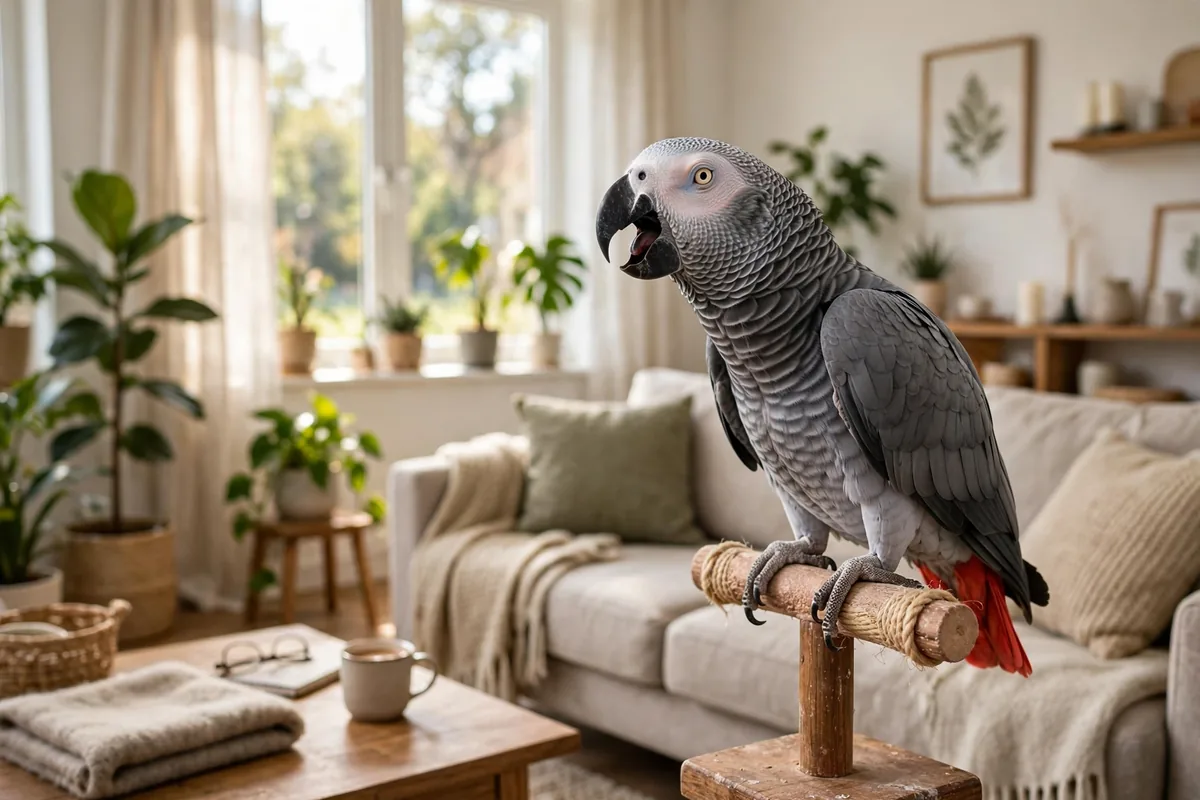
Imagine walking into your kitchen in the morning and hearing a cheerful “good morning” — from a bird. Parrots are among the few animals that can copy human speech, and with the right approach a pet parrot can build a whole vocabulary from a single “hello”. The secret is not a special talent or an expensive device — it is repetition, short sessions, patience, and a strong bond between you and your bird. This guide shows you how, step by step.
Why Parrots Can Talk
Parrots do not have vocal cords like people do. Instead, they use an organ called the syrinx, where the windpipe splits into the lungs, to shape sounds with remarkable control — letting them copy the pitch, rhythm, and tone of human words.
The reason runs deeper than anatomy. In the wild, parrots are social flock birds that learn the calls of their flock. A pet parrot sees its human family as its flock, so it naturally wants to learn the sounds its flock makes — which is why the birds that talk best are usually the ones that spend the most relaxed time with their people.
At first a parrot does not understand words the way we do; it learns sounds and the reactions they get. Over time, many parrots connect words with the moments where they hear them. That connection is built slowly, one repeated moment at a time.
Which Parrots Talk Best
Not every species talks with the same ease, and birds vary even within a species. Some become chatterboxes; others learn only a handful of words. Still, a few species have a well-known gift for speech.
| Species | Talking ability | Voice quality |
|---|---|---|
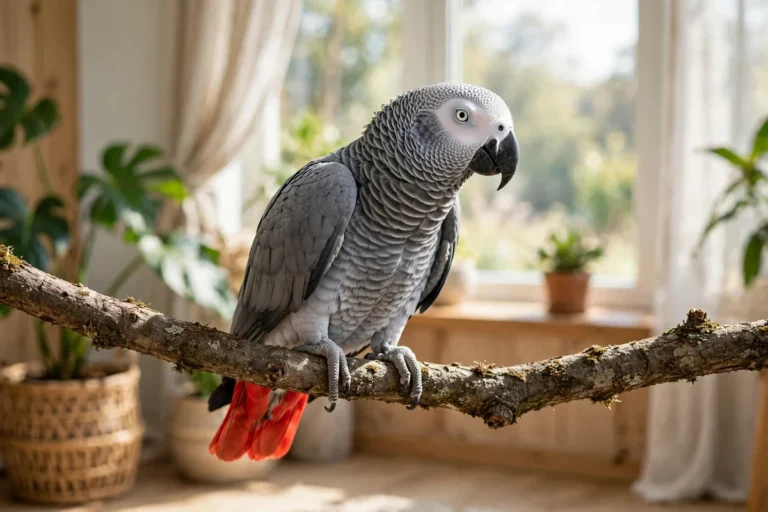
| African grey | Excellent | Clear, close to human speech |
| Amazon parrot | Very good | Clear and expressive |
| Budgerigar (budgie) | Very good | Small, quick, surprisingly large vocabulary |
| Quaker parrot | Good | Clear, often chatty |
| Cockatiel | Fair | Soft, whistly, fewer words |
| Cockatoo | Fair | Loud, playful, less precise |
African greys are widely considered the best talkers, famous for learning dozens of words. Amazons are close behind, with strong, clear voices. The budgerigar is the surprise star: this tiny bird can build a large vocabulary, though its small, fast voice means owners sometimes miss its first attempts. Our budgerigar care guide covers the basics of keeping one happy.
If you want a talking companion, start with the species above — but personality matters more than the species name: a bird that enjoys your company will always learn faster than a nervous one.
When to Start Training
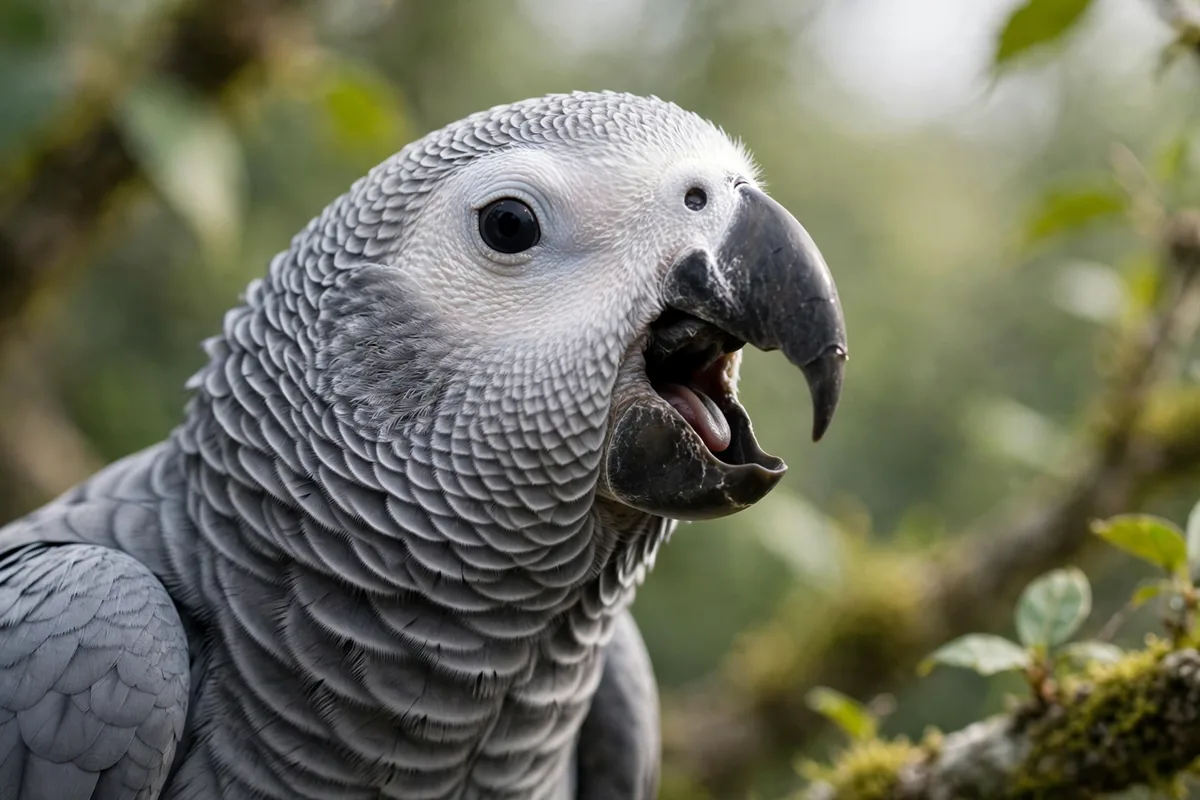
Young parrots are usually the quickest learners, often picking up first words within a few months of regular practice. Older parrots can learn too — it may simply take longer, and the bird may need more time to trust you first.
Start after your parrot has settled in and feels at home. Before speech training, your parrot should be comfortable stepping onto your hand and spending relaxed time in the same room as you. If your bird still flinches or hides when you approach, focus on gentle bonding first — never begin talking practice while a bird is still nervous.
Short daily contact is the foundation of everything that follows. Spend time near your parrot every day — talking in a calm voice, reading aloud, or simply sitting nearby. Your parrot is listening long before it ever says a word back.
Before You Begin: Set Up for Success
Choose a quiet room with few distractions. Turn off the television and move away from noisy appliances, so your parrot does not compete with background noise. Pick a time when your bird is alert and active — for many parrots, the morning or early evening.
Keep the perch at a comfortable height, close to you but not crowded. You want your parrot relaxed, feathers smooth and body still. A fluffed-up, sleepy bird, or one that is pacing and restless, is not in the mood to learn — wait for a better moment.
Finally, decide in advance which word you will teach first. One clear target keeps the session focused and lets your parrot hear the same sound over and over. Many trainers keep a small notebook of words learned and words in progress, to track progress and celebrate each new word.
Choosing the First Words
The first word matters more than most people realize. Short, clear words with strong vowel sounds are easiest to copy, and “hello” is the classic first word: short, with two clear sounds, and heard often in everyday life.
Good first words include “hello,” “hi,” your parrot’s name, and the name of a favorite person in the house. Words with hard consonants, like “pretty” or “good,” also work well. Avoid long phrases, or words that sound alike, such as teaching “hello” and “yellow” together. One word, repeated clearly, is the way to begin.
Tie the word to a moment your parrot can recognize. Say “hello” every time you walk into the room, and “good night” every evening when you dim the lights. When a word always arrives with the same moment, your parrot connects the sound with what is happening — and that turns copying into real communication.

The Step-by-Step Method
Here is a method that works for most parrots:
Step 1: Get your parrot’s attention. Sit close, at eye level, and speak warmly and clearly. Say the bird’s name first, then the target word.
Step 2: Repeat the word slowly and clearly. Say it five to ten times, pausing briefly between each one. Speak a little more slowly than normal, with extra energy — parrots respond to enthusiasm.
Step 3: Pause and listen. Stop and wait. Your parrot may tilt its head, open its beak, or make a soft sound — that is your bird trying. Even a mumbled attempt counts, so respond with warm praise right away.
Step 4: Praise every attempt. When your parrot tries — even if the sound is rough or only half the word — respond at once with cheerful praise: “Good bird!” in a happy voice, a gentle head scratch, or a few minutes with a favorite toy.
Step 5: End on a high note. Finish after your parrot’s best attempt, even if it is small, so the next session is something to look forward to.
Repeat these steps in short sessions — ten to fifteen minutes, once or twice a day. Two focused sessions beat one long session, because a parrot’s attention is short.
A Simple Daily Routine
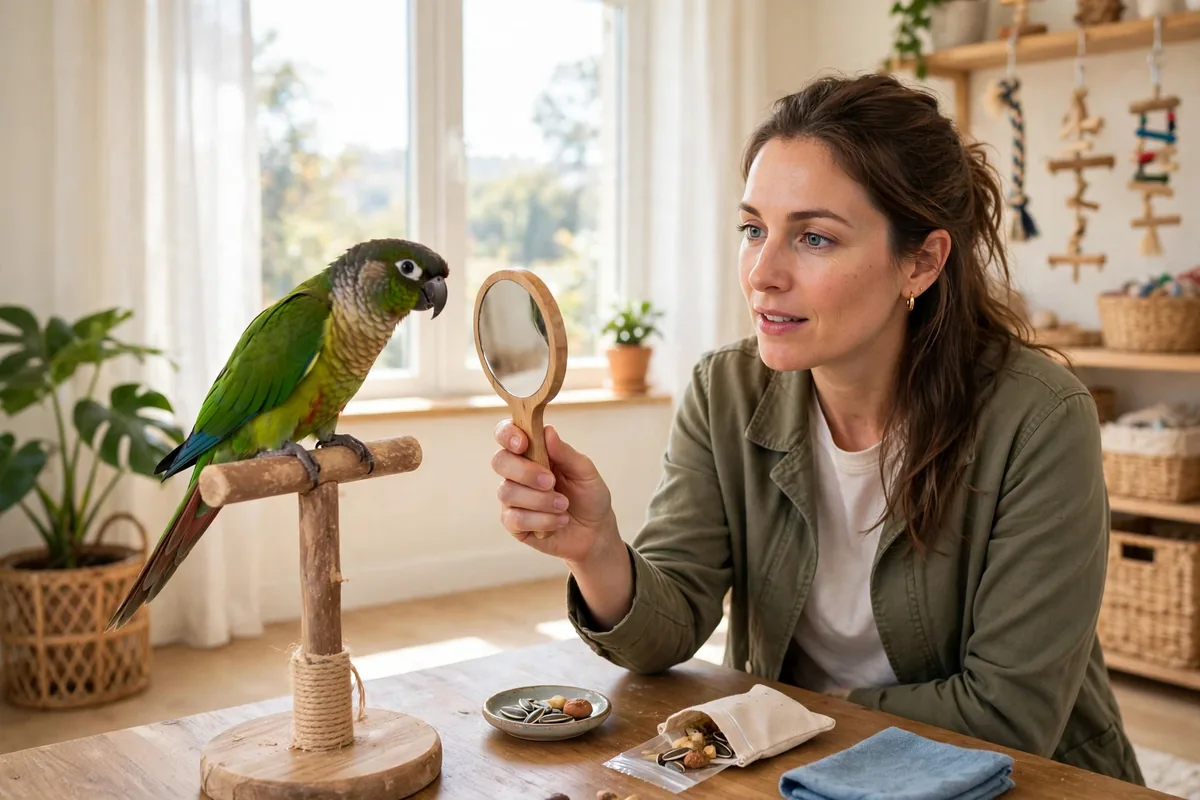
A routine makes training easier, because your parrot starts to expect practice time. A simple daily plan:
- Morning session (10–15 minutes): Practice the current word, with repetition and praise — often the best session, when your parrot is fresh and alert.
- Talking throughout the day: Speak to your parrot during normal activities — greet it when you pass the cage and repeat its current word in passing.
- Evening session (10–15 minutes): A short review of the word, ending with play.
- Weekend review: Once a week, run through all the words your parrot knows, so older words stay fresh.
Recordings can help, but they should never replace you. A short recording of your voice can give your parrot extra listening time while you are away — but a parrot learns fastest from a real person it trusts, so use recordings only as an extra aid.
Bonding, Praise, and Play
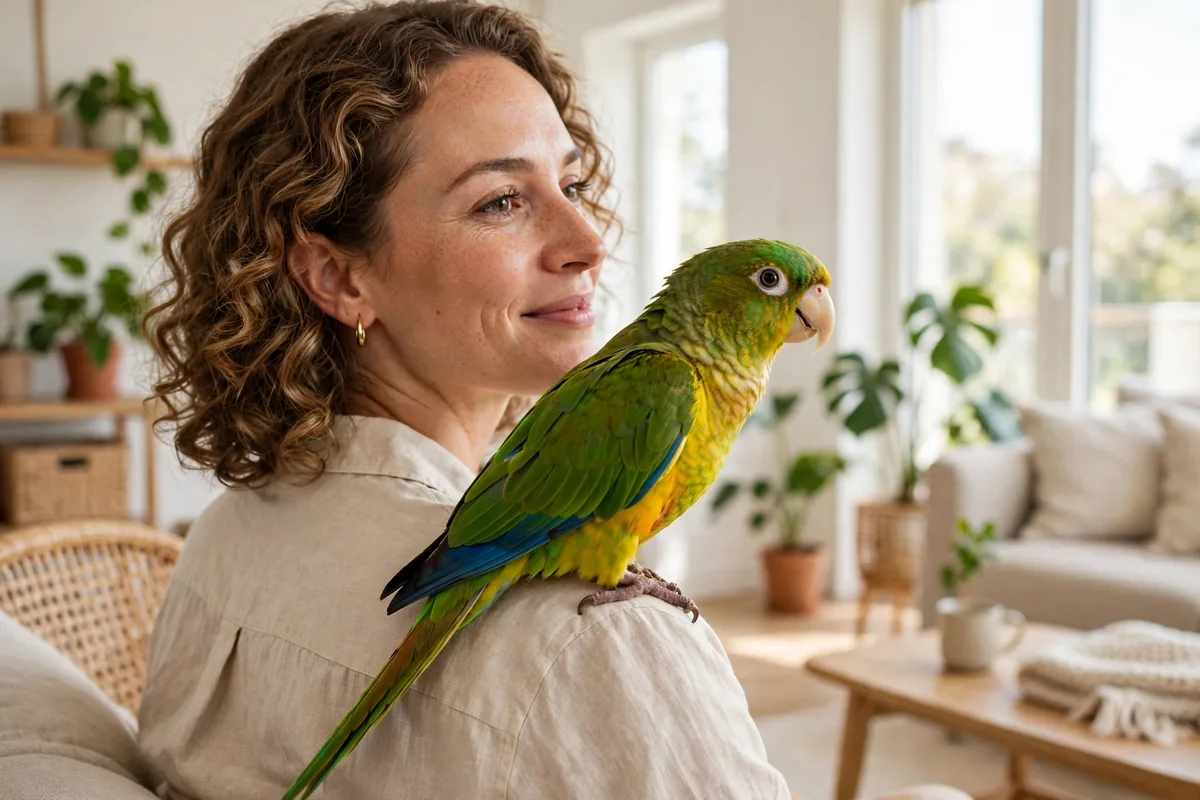
Talking is a social skill that grows out of the relationship between you and your bird. The stronger the bond, the more your parrot wants to communicate with you. Spend time together outside of training too — let your parrot sit on your shoulder while you read, or play with its favorite toys.
Praise should be specific and immediate. A happy “good!” right after an attempt, a gentle scratch on the head, or a few minutes with a favorite toy all say the same thing: that sound made something good happen. Vary the praise — a big celebration for a clear new word, a warm word for a brave attempt.
Play is part of training, not a break from it. Parrots that play regularly are more relaxed, more curious, and more willing to try new sounds. Keep a few toys on hand and rotate them — the same idea behind our guide to the best cat toys.
Common Mistakes to Avoid
Even well-meaning owners can slow their parrot’s progress. Here are the mistakes to watch for:
- Sessions that are too long. A tired parrot stops listening, and pushing on only teaches it that training is boring.
- Too many words at once. Teaching three new words in one week confuses most birds. Master one, then add the next.
- Shouting or speaking too fast. Parrots copy what they hear, so fast or loud speech becomes fast or loud copying.
- Punishing mistakes. Never scold a parrot for the wrong word or for staying silent — a bird afraid of getting it wrong will stop trying.
- Practicing only in the cage. A parrot that only hears words inside its cage may not connect them with the wider world. Practice in different rooms and on your shoulder.
- Expecting overnight results. Some parrots say their first word in weeks; others take months. Both are normal — the birds that learn best have patient owners.

How Long Does It Take?
There is no fixed timetable for a parrot’s first word. Many young parrots say their first clear word within a few weeks to a few months of daily practice. Progress is rarely a straight line: a parrot may say nothing for weeks, then suddenly produce a clear “hello”.
What matters is consistency, not speed. A few minutes every day, kept up for months, will teach a parrot far more than an hour of practice once a week. Keep a simple log of the words your bird knows — you will be surprised how quickly the list grows.
If your parrot has practiced for months without a single word, do not give up — but do check the basics. Is the bird relaxed with you? Are sessions short and calm? Is the word short and clear? Sometimes a small change, like a different time of day or a different first word, is all it takes. And some parrots simply prefer whistling, singing, or copying household sounds like the telephone — talents worth enjoying too.
Interesting Facts About Talking Parrots
- African greys lead the pack: African greys are famous for the largest vocabularies of any pet bird, some learning dozens of words and phrases.
- Budgies punch above their weight: The tiny budgerigar can learn a large vocabulary, even though its voice is small and quick.
- Wild parrots learn calls too: In the wild, parrots learn the calls of their flock — the same social learning behind a pet parrot’s speech.
- Some parrots use words in context: Many talking parrots say “hello” when someone enters the room and call family members by name.
- Whistling counts: Parrots that whistle tunes use the same learning skill as talking parrots.
- Males and females both talk: In the most popular talking species, males and females alike can learn to speak.
- Practice keeps words fresh: A parrot that stops hearing a word may forget it, so regular review keeps the whole vocabulary alive.
Related Reading on MyPetsMyLove
- Budgerigar care guide
- 10 things to know before getting a pet
- Leash training guide
- MyPetsMyLove homepage
- About Us page
References
- National Audubon Society — bird behavior and parrot resources
- Encyclopaedia Britannica — parrot reference
- The Humane Society of the United States — pet bird care and enrichment resources
Frequently Asked Questions
How long does it take to train a parrot to talk?
It varies. Many young parrots say their first clear word within a few weeks to a few months of short daily practice. Older parrots may take longer. Consistency matters more than speed — a few minutes every day beats one long session a week.
What is the best first word to teach a parrot?
“Hello” is the classic first word because it is short, has clear sounds, and is heard often in everyday life. Your parrot’s name and the names of family members are also good choices. Start with one word and master it before adding another.
What is the best age to teach a parrot to talk?
Young parrots are usually the quickest learners, but parrots of any age can learn. The most important thing is that the bird has settled into its home and feels comfortable with you before training begins.
Which parrot species talks the best?
African grey parrots are widely considered the best talkers, followed by Amazon parrots and budgerigars. Budgies are small but can build surprisingly large vocabularies. Individual birds vary, and a bird that enjoys your company will learn faster than one that is nervous.
How long should a parrot training session be?
Ten to fifteen minutes, once or twice a day. Short sessions keep your parrot interested and focused. If the bird loses interest or seems tired, end the session on a positive note and try again later.
Can I use recordings to teach my parrot to talk?
Recordings can help as an extra aid, because they give your parrot extra listening time while you are away. But a parrot learns fastest from a real person it trusts, so recordings should never replace your own daily practice.
What should I do if my parrot will not talk?
Stay patient and check the basics: short, calm sessions, one clear word, and a relaxed bird that trusts you. Try a different time of day or a different first word. Some parrots take months before their first word, and some prefer whistling or copying household sounds — those are talents worth enjoying too.
Conclusion
Teaching a parrot to talk is one of the most rewarding parts of sharing a home with a bird. It takes patience, short daily sessions, and a bond built on time together — but the morning your parrot greets you with a clear “hello” makes every minute of practice worth it. Start with one simple word, praise every attempt, keep sessions short and fun, and let your parrot learn at its own pace. The vocabulary will grow, one word at a time.
If you are thinking about bringing a parrot home, read our 10 things to know before getting a pet first, then explore our budgerigar care guide to meet one of the best little talkers in the bird world. Start from the MyPetsMyLove homepage to discover more guides for the pets you love.
Disclaimer
Disclaimer
MyPetsMyLove dot com is an independent informational website covering pet species breeds characteristics activities positive training bonding grooming and responsible ownership
We are not a veterinary clinic medical provider pet food provider or veterinary nutrition service
We do not provide veterinary diagnosis medical advice treatment food recommendations or nutritional guidance
For pet health medical or food related concerns consult a qualified veterinarian or appropriate professional directly
Independent clinics listed on this website are not owned or operated by MyPetsMyLove unless explicitly stated
Verify third party credentials services fees and availability independently
We do not guarantee third party services or outcomes
To the extent permitted by applicable law we disclaim responsibility for independent third party services
Nothing in this notice excludes liability that cannot legally be excluded
The disclaimer does not make prohibited content acceptable

One Comment