
Best Dog Breeds for First-Time Owners: A Complete Comparison
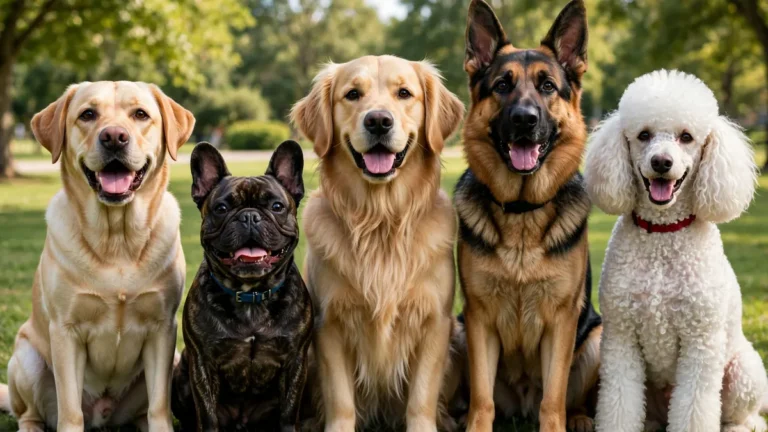
 Golden Retriever, a Labrador Retriever, and a Cavalier King Charles Spaniel sitting together in a park.” class=”wp-image-1212″/>
Getting your first dog is one of life’s great adventures — and choosing the right breed sets the tone for everything that follows. While every dog is an individual, breeds differ in trainability, energy level, grooming needs, and temperament. Picking a breed whose needs match your lifestyle makes training easier, daily life smoother, and the bond stronger from day one.
Some breeds are famously forgiving of beginner mistakes: eager to learn, friendly with strangers, and adaptable to different homes. Others are independent-minded, intensely energetic, or strong-willed — wonderful dogs, but ones that ask more of an inexperienced owner. This guide compares eight dog breeds widely considered excellent choices for first-time owners, with an honest look at what each one needs.
Whether you are in an apartment or a house with a yard, active or more relaxed, there is a breed below that fits. Use the comparison to build your shortlist, then browse our Dogs & Puppies guides for more on training, play, and everyday dog care. Taking time to research now means fewer surprises later — and a much happier first year together.
What Makes a Dog Breed Good for First-Time Owners?
The right first dog is not about finding a “perfect” breed — it is about matching a breed’s needs to your life. These are the traits that matter most for beginners.
Trainability. Breeds that are eager to please and respond well to positive training make the learning process enjoyable rather than frustrating. A dog that picks up basic cues quickly builds your confidence as a new owner.
Temperament. Friendly, stable, and tolerant breeds handle the surprises of a new home — visitors, noises, schedule changes — with ease. Even-tempered dogs are especially valuable in families with children.
Exercise needs. Every dog needs daily activity, but the amount varies enormously. Moderate-energy breeds fit most lifestyles; very high-energy breeds need serious daily outlets that can overwhelm a beginner.
Grooming. Some coats need professional grooming every few weeks; others need only occasional brushing. Be realistic about the time and budget you can commit.
Size and space. Large breeds can thrive in apartments with enough exercise, but smaller breeds are often simpler in tight spaces. Consider your home, your strength on the leash, and any rental restrictions.
Beyond these traits, be honest about your daily routine. A breed’s needs do not pause for busy weeks, so choose a dog whose exercise, grooming, and companionship requirements you can meet consistently — not just on your best days. When the match is right, training feels like teamwork instead of a struggle.
8 Dog Breeds That Suit First-Time Owners
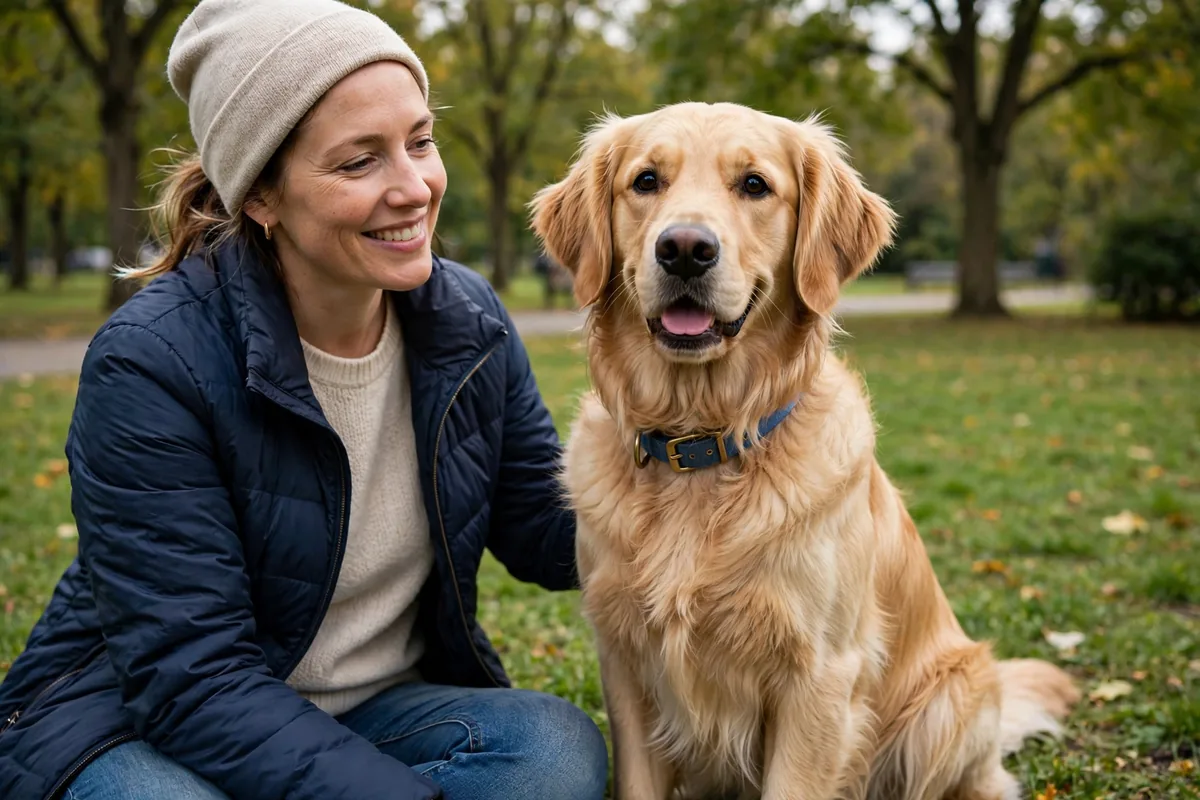
1. Golden Retriever
The Golden Retriever is the classic first dog for good reason. Friendly, intelligent, and eager to please, Goldens are among the easiest breeds to train and among the most tolerant of children and other pets. They have a joyful, playful spirit that stays with them well into adulthood.
They do need daily exercise and regular brushing for their medium-length coat, plus plenty of companionship — Goldens are people dogs through and through. If you can offer an active, social lifestyle, few breeds reward a first-time owner more richly.
2. Labrador Retriever
America’s most popular breed for decades running, the Labrador Retriever is outgoing, athletic, and famously good-natured. Labs are smart, food-motivated (which makes training straightforward), and adaptable to many living situations as long as their exercise needs are met.
Their short coat is easy to maintain, though they do shed. Young Labs can be boisterous, so consistent, positive training from the start pays off enormously. For an active first-time owner or family, the Labrador is a nearly unbeatable choice.

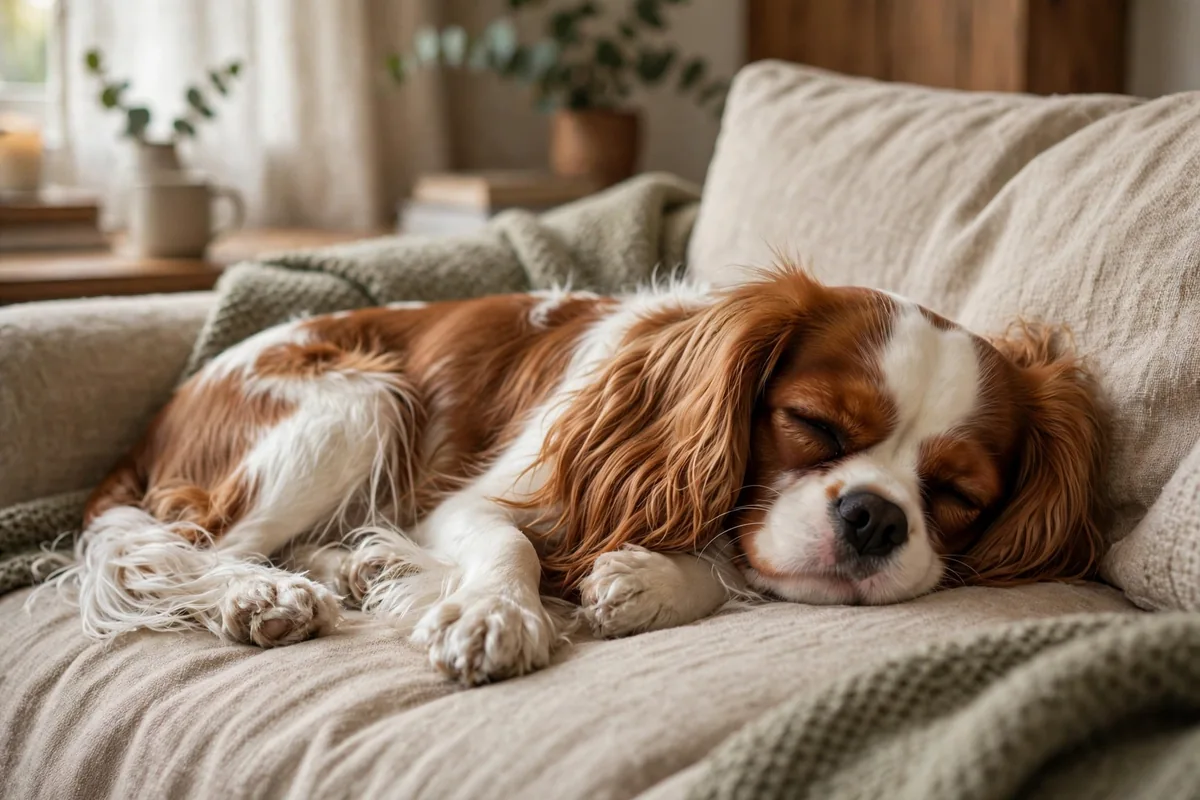
3. Cavalier King Charles Spaniel
For first-time owners seeking a smaller dog, the Cavalier King Charles Spaniel is a gem. Gentle, affectionate, and adaptable, Cavaliers are happy in apartments or houses and need only moderate exercise — a daily walk and some playtime suffice. They are famously good with children and tend to get along with other pets.
Their silky coat needs brushing a few times a week to prevent tangles. Cavaliers thrive on companionship, so they are best in homes where they will not be left alone for very long stretches.
4. Poodle
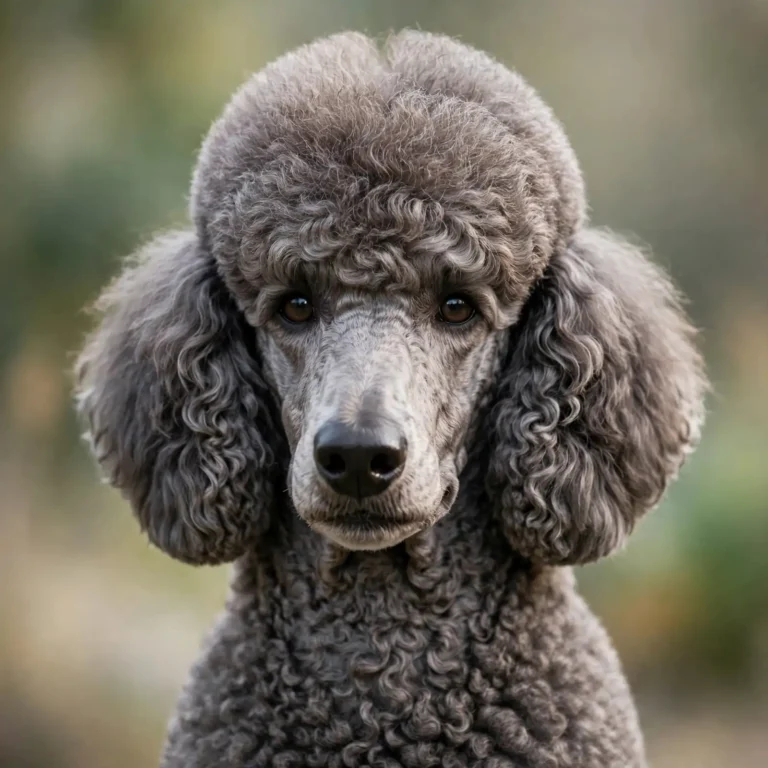
Poodles — available in Toy, Miniature, and Standard sizes — are among the smartest of all breeds, which makes them highly trainable for beginners. They are athletic, versatile, and bond closely with their families. Their curly, low-shedding coat is a plus for tidy homes, though it does require regular professional grooming.
Active and playful, Poodles need both physical exercise and mental stimulation. Choose the size that fits your space: a Toy or Miniature for apartments, a Standard for those wanting a larger adventure companion.
5. Bichon Frise
Cheerful, gentle, and always ready to play, the Bichon Frise is a small breed with a big personality. Bichons are friendly with strangers, good with children, and adaptable to apartment living. Their moderate energy level means daily walks and indoor play are usually enough.
Their soft, curly coat needs regular brushing and professional grooming to prevent matting — the main commitment to plan for. In exchange, you get a merry, affectionate companion that is hard not to love.
6. Shih Tzu
The Shih Tzu was bred for companionship, and it shows. These small, sturdy dogs are affectionate, outgoing, and content with relatively modest exercise — a couple of short walks and indoor play each day. They adapt well to apartments and are generally friendly with everyone they meet.
Their long, flowing coat is beautiful but demanding; many pet owners keep it in a shorter “puppy cut” for easier maintenance. If you want a devoted lap dog with a happy outlook, the Shih Tzu fits the bill.
7. Greyhound
It surprises many beginners, but the Greyhound — famous for racing — is one of the calmest apartment dogs around. Retired racers and pet-bred Greyhounds are typically gentle, quiet, and content to lounge for much of the day, with short bursts of running when given the chance.
Their short coat needs minimal grooming, and they are generally polite and undemanding indoors. They do need a secure area for off-leash running and a warm coat in cold weather, but as low-key companions, Greyhounds are outstanding.
8. Maltese
The Maltese is a tiny breed with a gentle, affectionate nature and a long history as a companion dog. Maltese are playful but not hyperactive, making them well suited to apartments and calmer households. They bond deeply with their owners and are generally friendly with visitors.
Their long, silky white coat requires regular brushing, though a shorter trim simplifies care considerably. For a first-time owner wanting a small, loving lap dog, the Maltese is a classic choice.
Comparison at a Glance
| Breed | Temperament | Coat and grooming | Exercise needs | Apartment friendly |
|---|---|---|---|---|
| Golden Retriever | Friendly, eager to please | Medium; regular brushing | High | With enough exercise |
| Labrador Retriever | Outgoing, good-natured | Short; sheds, easy care | High | With enough exercise |
| Cavalier King Charles Spaniel | Gentle, affectionate | Silky; brush a few times a week | Moderate | Yes |
| Poodle | Smart, trainable | Curly low-shedding; professional grooming | Moderate–high | Yes (Toy/Miniature) |
| Bichon Frise | Cheerful, friendly | Curly; regular grooming | Moderate | Yes |
| Shih Tzu | Affectionate, outgoing | Long; regular brushing or trim | Low–moderate | Yes |
| Greyhound | Calm, gentle | Short; minimal grooming | Low–moderate | Yes |
| Maltese | Gentle, devoted | Long silky; regular brushing or trim | Low–moderate | Yes |
Related Reading on MyPetsMyLove
- Golden Retriever: Origin, Personality, Appearance and Interesting Facts
- Labrador Retriever: History, Characteristics and Why This Breed Is So Popular
- 30 Most Popular Dog Breeds in America and What Makes Them Special
- Dogs & Puppies hub page
- MyPetsMyLove homepage
- About Us page
References
- American Kennel Club (AKC) — breed profiles and selector tools
- The Humane Society of the United States — choosing a dog
Frequently Asked Questions
What is the easiest dog breed for a first-time owner?
Many trainers point to the Golden Retriever or Labrador Retriever for their trainability and forgiving natures. For smaller spaces, the Cavalier King Charles Spaniel and Bichon Frise are excellent. The “easiest” breed is the one whose exercise and grooming needs fit your daily life.
Should a first-time owner get a puppy or an adult dog?
Puppies are adorable but demand intensive training, socialization, and patience — a big commitment for beginners. Adult dogs, especially from shelters or breed rescues, often arrive with basic manners and known temperaments, which can make the transition much smoother.
How much exercise do beginner-friendly breeds need?
It varies: Golden Retrievers and Labradors need an hour or more of activity daily, while Cavaliers, Shih Tzus, and Maltese are content with shorter walks and indoor play. Greyhounds are famously couch potatoes indoors despite their athletic build. Match the breed’s needs to your routine honestly.
Are small dogs easier for first-time owners than large dogs?
Not automatically. Small breeds can be easier to house and handle, but some have big grooming demands or strong personalities. Large breeds like Goldens and Labs are often easier to train. Focus on temperament and needs rather than size alone.
Which dog breeds might be challenging for beginners?
High-drive working breeds — such as the Border Collie, Belgian Malinois, and Siberian Husky — need experienced handling, extensive exercise, and firm, consistent training. Independent guardian breeds can also test a novice. These are remarkable dogs, but they are best matched with experienced owners.
Conclusion
Your first dog should fit your life as it is today — your schedule, your space, and your energy. The eight breeds above all combine friendly temperaments with trainability, giving first-time owners the best chance of a smooth, joyful start.
Before you decide, keep researching: learn about positive training, daily routines, and what puppies versus adult dogs need. Our Dogs & Puppies guides cover all of it, and you can learn more about MyPetsMyLove and how we create our guides. MyPetsMyLove is here to help you welcome your new best friend with confidence.
Disclaimer
Disclaimer
MyPetsMyLove dot com is an independent informational website covering pet species breeds characteristics activities positive training bonding grooming and responsible ownership
We are not a veterinary clinic medical provider pet food provider or veterinary nutrition service
We do not provide veterinary diagnosis medical advice treatment food recommendations or nutritional guidance
For pet health medical or food related concerns consult a qualified veterinarian or appropriate professional directly
Independent clinics listed on this website are not owned or operated by MyPetsMyLove unless explicitly stated
Verify third party credentials services fees and availability independently
We do not guarantee third party services or outcomes
To the extent permitted by applicable law we disclaim responsibility for independent third party services
Nothing in this notice excludes liability that cannot legally be excluded
The disclaimer does not make prohibited content acceptable
8 Comments